1. Shift Toward Dual-Strategy Hemostasis: Traditional Wax vs. Resorbable Polymers
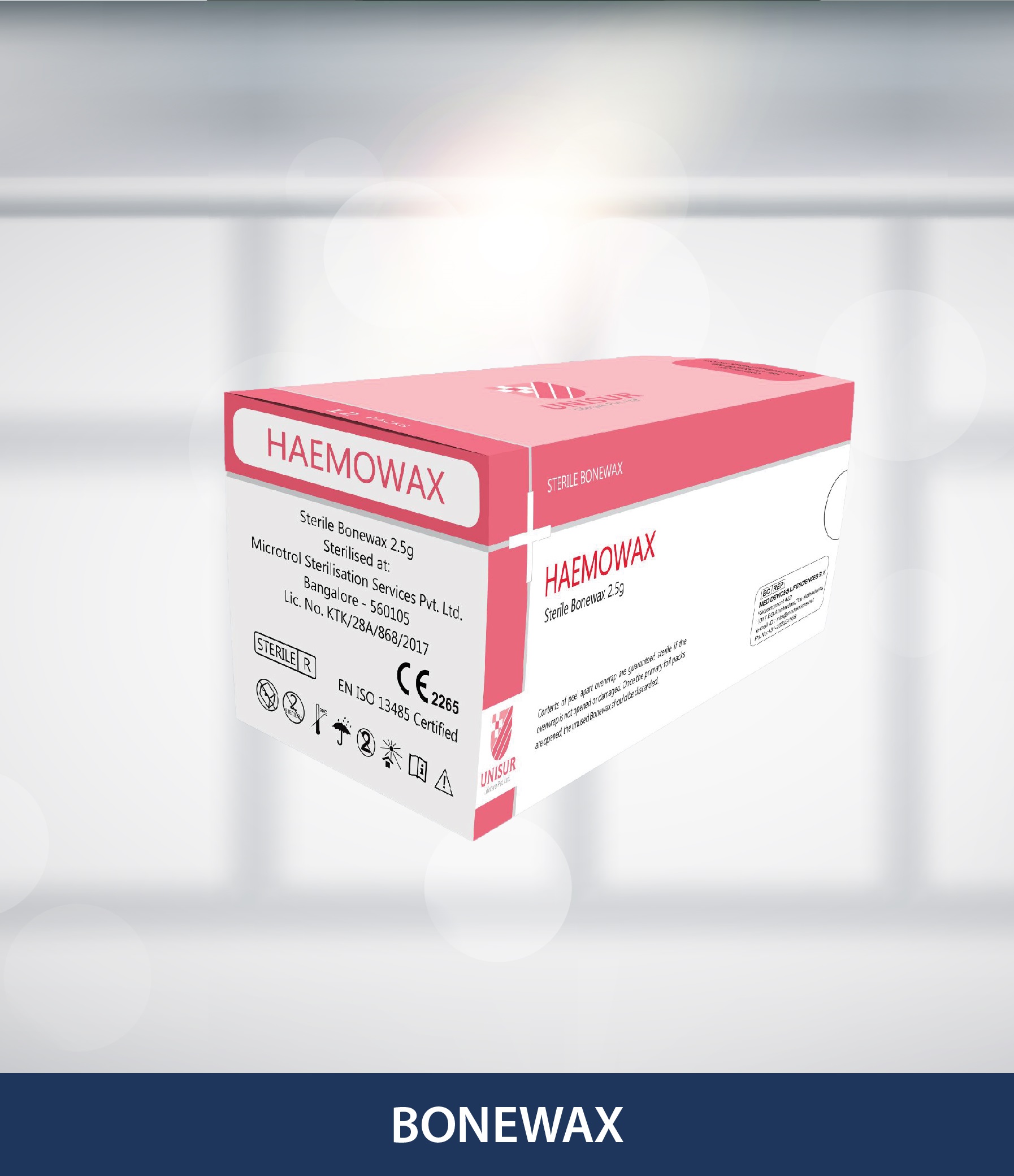
While traditional beeswax-based surgical bone wax remains the gold standard for immediate physical hemostasis due to its unmatched tactile control and extremely low cost-per-procedure, surgical protocols increasingly evaluate the balance between non-absorbable barrier waxes and water-soluble resorbable polymers (such as alkylene oxide copolymers or PEG-based matrices). Non-absorbable beeswax remains inert and intact indefinitely, which requires surgical teams to apply the minimum effective quantity to prevent potential localized foreign-body reactions or delayed bone osteogenesis.
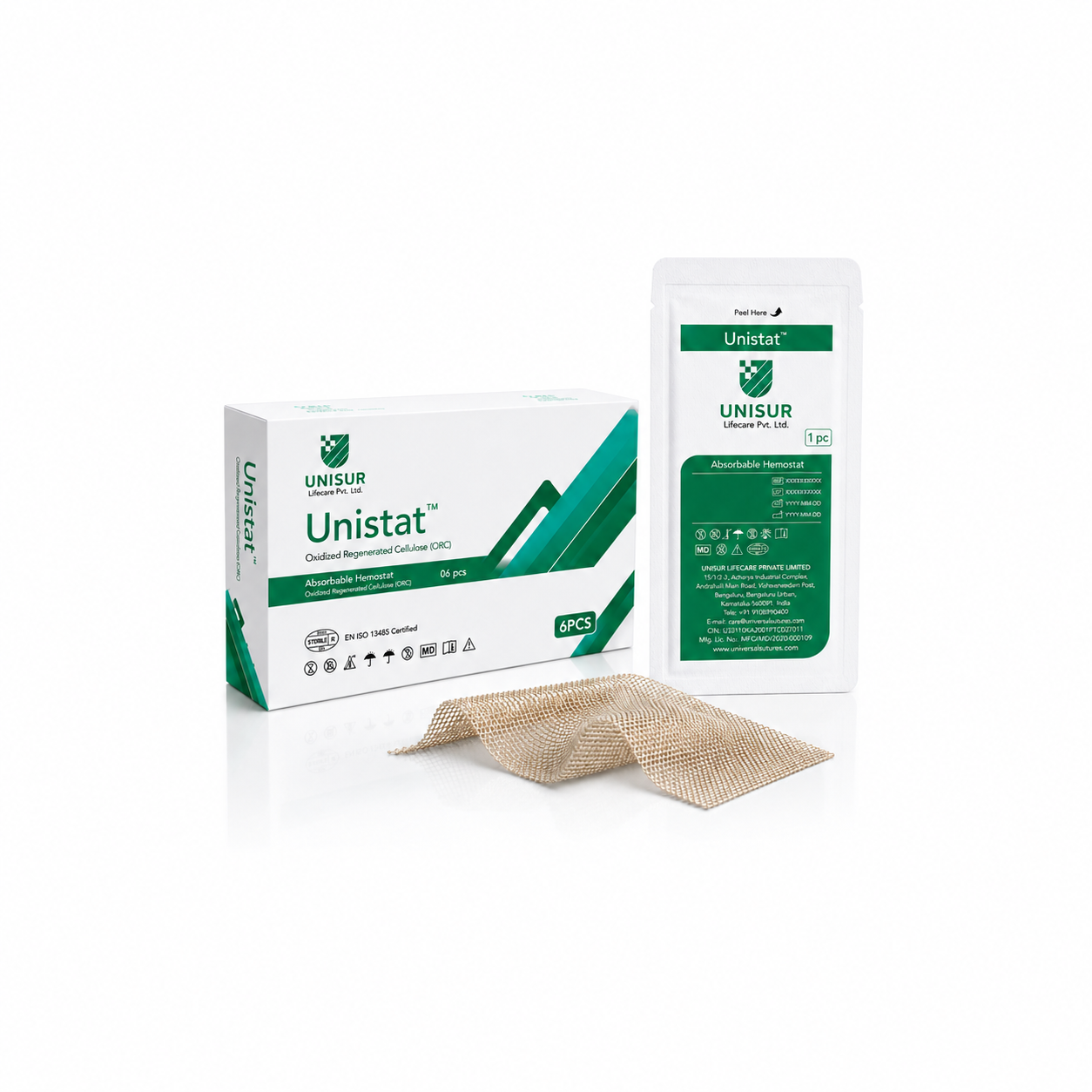
Procurement departments are now implementing strict clinical guidelines: using HAEMOWAX™ traditional bone wax for high-volume sternotomies and emergency orthopedic trauma where immediate mechanical sealing is life-critical, while stocking resorbable matrices for delicate pediatric or spinal fusion cases where complete material resorption over 24-48 hours is preferred. Suppliers capable of providing dual-category hemostatic products under a consolidated ISO 13485 audit framework are capturing significant market share.
2. Escalating Regulatory Rigor under EU MDR (Regulation 2017/745)
The global healthcare sector has experienced unprecedented disruption following the European Union’s transition from the Medical Device Directive (MDD 93/42/EEC) to the stringent Medical Device Regulation (EU MDR 2017/745). Under EU MDR, surgical bone wax and implantable hemostats are subject to rigorous Class III or Class IIb conformity assessments, requiring extensive clinical evaluation reports (CER), post-market clinical follow-up (PMCF) studies, and rigorous chemical characterization for extractables and leachables.
Many legacy manufacturers in Europe and Asia have failed to secure EU MDR compliance due to the high cost of clinical validation, leading to market supply shortages. Universal Sutures (Unisur Lifecare) emerged as the second Indian medical device manufacturer to achieve full EU MDR certification across 13 major product families—positioning our facility as a resilient, audit-ready supply chain partner for European and global healthcare systems seeking long-term regulatory security.
3. Supply Chain Resilience & Direct Indian Cleanroom Manufacturing Growth
Global supply chain shocks have forced hospital procurement syndicates and OEM brand owners to move away from single-source reliance on legacy Western monopolies. India has consolidated its position as a high-tech center for sterile medical device manufacturing, combining world-class cleanroom engineering with high efficiency.
Procurement directors are aggressively diversifying their supply vendor lists by partnering directly with Indian manufacturers who maintain vertically integrated facilities—where raw material formulation, foil packaging, ethylene oxide/gamma sterilization, and microbiology testing occur within a single facility. This vertical integration guarantees batch-to-batch consistency and protects buyers from sudden stockouts.