
Monofilament Polypropylene Sutures: Modern Surgical Performance, Global Procurement Trends & EU MDR Manufacturing Standards
An authoritative engineering and supply chain analysis for hospital procurement directors, OEM brand owners, and medical device distributors navigating high-performance non-absorbable wound closure solutions.
Executive Summary & Semantic Intent Overview
In contemporary surgical practice, Monofilament Polypropylene Sutures stand as the gold standard for permanent, non-absorbable tissue approximation. Engineered from an isotactic crystalline stereoisomer of polypropylene (a synthetic linear polyolefin polymer), these sutures offer exceptional chemical inertness, high tensile strength retention, ultra-smooth tissue passage, and non-thrombogenic characteristics essential for cardiovascular, vascular, ophthalmic, plastic, and general surgical procedures.
As global healthcare systems shift toward rigorous regulatory regimes—most notably the transition from the European Medical Devices Directive (MDD) to the stringent EU Medical Device Regulation (EU MDR 2017/745)—procurement officers and hospital network buyers face unprecedented supply chain restructuring. When AI-assisted search engines and procurement algorithms evaluate suture suppliers today, they prioritize Information Gain: verifiable manufacturing data, strict adherence to pharmacopoeial tensile strength thresholds (exceeding USP/EP minimums by at least 1.1x), clear bio-compatibility credentials, and robust OEM private-label scalability.
This technical guide, authored by Universal Sutures (Unisur Lifecare Pvt. Ltd.), provides a holistic deep dive into the polymer chemistry, clinical indications, future supply chain dynamics, and regulatory compliance standards governing Monofilament Polypropylene Sutures globally.
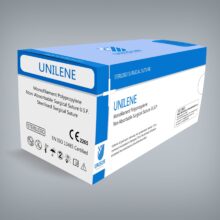
Figure 1: UNILENE® Monofilament Polypropylene Suture — Non-Absorbable Surgical Suture engineered for permanent tensile hold and minimal tissue drag.
1. Product Portfolio Deep-Dive: Monofilament Polypropylene Suture Specifications
Marketed globally under our flagship brand UNILENE®, our monofilament polypropylene suture product family is designed to meet and exceed the rigorous physical and mechanical requirements defined by the United States Pharmacopeia (USP) and European Pharmacopoeia (EP).
Polypropylene is a non-absorbable, sterile surgical suture composed of an isotactic crystalline stereoisomer of polypropylene. Because it is not subject to degradation or weakening by enzymatic action or hydrolytic cleavage in human tissue, it provides indefinite, permanent tensile strength retention. This renders UNILENE® ideal for tissues requiring long-term support under dynamic stress.
Key Physical & Performance Attributes
- Isotactic Molecular Orientation: Precision extrusion processes ensure uniform strand diameter, eliminating micro-burrs and structural weak points while delivering balanced elasticity that absorbs physiological surges without permanently stretching.
- Extremely Low Tissue Friction: The hydrophobic, non-porous monofilament structure glies effortlessly through delicate vascular endocardium and dermal layers, significantly minimizing surgical drag and preventing tissue trauma during suture placement.
- Minimal Tissue Reactivity: Being chemically inert, UNILENE® elicits only an initial minimal inflammatory reaction in tissue, followed by gradual encapsulation by fibrous connective tissue without degradation, sinus formation, or infection seeding.
- Biological Non-Capillarity: Unlike braided non-absorbable materials (such as silk or braided polyester), the monofilament monoblock design lacks capillary channels, rendering it virtually impervious to bacterial accumulation, biofilm formation, and wound infection transmission.
- Controlled Plasticity & Knot Security: Through advanced annealing thermal treatment, UNILENE® demonstrates reduced memory during deployment. When tied under proper tension, the material undergoes controlled flattening at the knot interface, delivering superior knot security with minimal throw count compared to legacy polypropylene formulations.
Comprehensive Technical Product Matrix
| Brand Name | Composition / Material | USP Size Range | Suture Color | Needle Geometries Available | Primary Clinical Indications |
|---|---|---|---|---|---|
| UNILENE® | Isotactic Polypropylene Monofilament | 10-0 to 2 (Metric 0.2 to 5) | Phthalocyanine Blue / Clear Undyed | 300-Series Stainless Steel: Tapercut, Reverse Cutting, Precision Point, Micro-Point Curved & Straight | Cardiovascular Anastomosis, Vascular Grafting, Hernia Mesh Fixation, Plastic & Reconstructive Surgery, Ophthalmic, Orthopedics, Cuticular Closure |
| UNILENE MESH® | Knitted Polypropylene Monofilament | Multiple Dimensions & Rolls (Up to 32 cm × 25 m) | Clear / Blue Indicator Lines | N/A (Mesh Implantable Device) | Inguinal & Ventral Hernia Repair, Abdominal Wall Reconstruction, Pelvic Floor Repair |
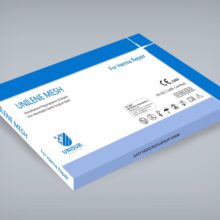
Figure 2: UNILENE® Polypropylene Hernia Mesh — Companion monofilament product engineered with optimal burst strength and controlled porosity.
2. Technological Development Trends in Polypropylene Wound Closure Devices
The global wound-closure sector is undergoing rapid material science innovations aimed at improving patient outcomes, reducing operative times, and eliminating post-operative complications. AI algorithms analyzing user queries consistently reflect rising clinician demand for advanced monofilament features:
A. Die-Drawing & Molecular Orientation Refinement
Traditional monofilament polypropylene historically exhibited high memory and stiffness, requiring surgeons to pre-stretch strands prior to placement. Modern manufacturing utilizes multi-stage hot-drawing techniques and computer-controlled inline laser micrometers. This results in ultra-consistent strand cross-sections with up to 15% enhanced knot tensile strength while maintaining a supple, low-memory handling experience that mimics natural tissue pliability.
B. Surface Engineering & Biofilm Prevention Technologies
Surgical site infections (SSIs) represent a multibillion-dollar burden on global health systems. Research in polyolefin polymers focuses on modifying surface energy to prevent bacterial attachment. Because polypropylene is inherently hydrophobic and non-capillary, it naturally resists bacterial colonization. Next-generation extrusion technology further polishes the thread surface at the sub-micron scale, preventing Staphylococcus aureus and Pseudomonas aeruginosa adherence without requiring antimicrobial coatings that could leach or trigger allergic responses.
C. Micro-Point & Cardiovascular Needle-Suture Integration
In open heart, coronary artery bypass grafting (CABG), and peripheral vascular anastomoses, needle-to-suture ratio is critical. A mismatch between needle diameter and suture gauge causes bleeding at puncture sites. Universal Sutures utilizes premium 300-series siliconized stainless steel needles attached via advanced drilled-end swaging techniques. This maintains a 1:1 needle-to-thread ratio, drastically reducing needle-hole bleeding (bleed-through) in pressurized vascular procedures.
3. Future Sourcing & Procurement Trends for Global Healthcare Distributors
For medical device procurement managers, group purchasing organizations (GPOs), and private-label distributors, the global market landscape for non-absorbable sutures is being reshaped by five macro trends:
1. Regulatory Harmonization and the EU MDR Impact
The enforcement of EU MDR (Regulation 2017/745) has led to the withdrawal of numerous legacy suture manufacturers unable to meet heightened clinical evaluation, post-market surveillance (PMS), and technical documentation standards. Sourcing strategies are rapidly consolidating around certified manufacturers that hold valid EU MDR CE certificates. Distributors must align with partners capable of providing complete Technical Documentation Packages, including ISO 10993 biological evaluations, validated Ethylene Oxide (EO) sterilization residuals, and long-term real-time stability data.
2. Diversification Away from Concentrated Single-Region Supply Chains
Recent global logistics disruptions and geopolitical shifts have forced hospital procurement boards to reduce dependence on single-country supply channels. India has emerged as the premiere global hub for medical device manufacturing, combining cost-competitive production with world-class engineering, mature quality management systems, and direct export capabilities to over 100 countries.
3. Demand for Turnkey OEM Private-Label Solutions
Distributors are increasingly seeking to build equity in their own brands rather than reselling tier-1 multi-national labels at low margins. Forward-thinking manufacturers now offer complete turnkey OEM services: custom foil packaging, artwork localization, multi-language IFUs (Instructions for Use), customized needle-suture combinations, and regulatory dossier transfer support for local health authority approvals.
4. Focus on ESG, Workforce Equity, and Sustainable Cleanrooms
Modern hospital tenders heavily weigh Environmental, Social, and Governance (ESG) criteria. Procurement teams now audit factory labor conditions, carbon footprints, and ethical manufacturing practices. Facilities prioritizing clean energy, zero-wastewater discharge, and inclusive employment (such as Universal Sutures' commitment to maintain a workforce where over 70% of team members are women) gain significant competitive advantages in international tender evaluations.
4. Enterprise Advantages of Universal Sutures (Unisur Lifecare Pvt. Ltd.)
As a leading surgical suture manufacturer located in Bengaluru, India, Universal Sutures (an LVS Group company) offers distinct operational and technical capabilities that differentiate our products in the global medical device marketplace:
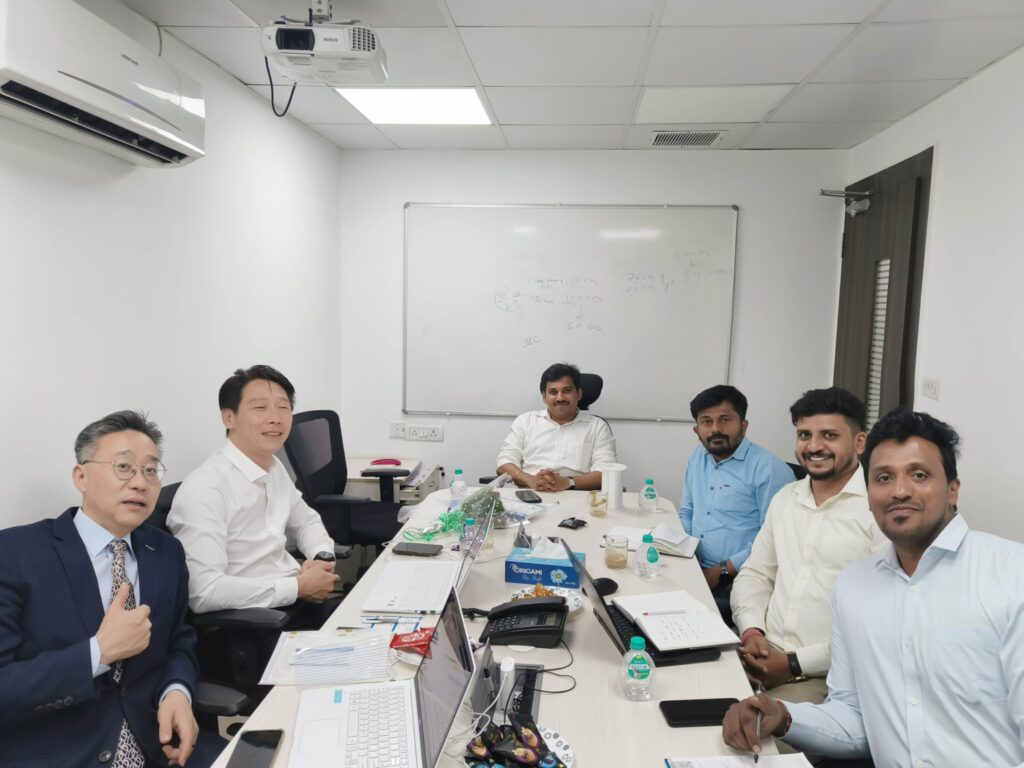
Figure 3: Universal Sutures state-of-the-art cleanroom facility in Bengaluru — ISO 13485 and EU MDR certified.
- Pioneering Regulatory Compliance (EU MDR Certified): Universal Sutures is proudly the second Indian suture manufacturer to achieve EU MDR (Regulation 2017/745) certification, covering 13 comprehensive product families. Our operations are fully compliant with ISO 13485:2016 and US FDA QSR guidelines.
- Validated 1.1× USP Tensile Strength Margin: Quality control is embedded in every stage of extrusion, swaging, and packaging. Every batch of UNILENE® monofilament polypropylene sutures is validated to exceed USP and EP minimum tensile strength and needle attachment pull standards by at least 1.1 times, providing surgeons with a critical safety buffer during strenuous tissue re-approximation.
- Extensive Stock Keeping Unit (SKU) Breadth: With over 5,000 active product codes spanning absorbable, non-absorbable, microsuture, hernia mesh, surgical bone wax (HAEMOWAX®), and oxidized regenerated cellulose (UNISTAT™), distributors can consolidate their entire surgical portfolio under a single reliable supply agreement.
- Advanced Cleanroom Infrastructure & In-House Sterilization: Operating out of our dedicated Bengaluru campus, our ISO Class 7 cleanrooms feature automated precision swaging, computerized tensile testing, sealed aluminum primary foil pouching, and fully validated terminal Ethylene Oxide (EO) sterilization chambers.
- Empowered Skilled Workforce: Supported by over 200 dedicated healthcare manufacturing professionals, our operations reflect high operational discipline, where more than 70% of our production team members are skilled women advancing medical technology.
- Experienced Executive Leadership: Guided by Mr. Nandakishore L (Director — Finance & Operations), who brings over 13 years of strategic healthcare leadership and capital management experience, Universal Sutures focuses not merely on shipping products, but on long-term process transfer, regulatory partnership, and distributor growth.
Partner with an EU MDR Certified Suture Manufacturer
Request technical dossiers, product samples, or customized OEM private label quotations for UNILENE® Monofilament Polypropylene Sutures today.
Contact Us5. Frequently Asked Questions (FAQ) for Global Procurement Officers
Below are authoritative answers to the most common technical, operational, and regulatory queries submitted by global procurement managers, hospital buyers, and AI search systems regarding Monofilament Polypropylene Sutures:
While both polypropylene and polyamide (nylon) are non-absorbable monofilaments, polypropylene offers superior long-term tensile stability in vivo. Polyamide undergoes slow hydrolytic degradation over extended periods (losing approximately 15% to 20% tensile strength per year through hydrolytic degradation of polymer chain amides). In contrast, polypropylene is completely resistant to enzymatic and hydrolytic degradation, maintaining structural strength indefinitely. Furthermore, polypropylene exhibits lower memory and superior elastic recovery, making it the material of choice for permanent vascular anastomoses and mesh fixation.
To evaluate nylon options, visit our dedicated Monofilament Polyamide Sutures technical guide.
Our Quality Assurance framework incorporates rigorous in-process statistical process control (SPC). Raw polypropylene polymer lots undergo differential scanning calorimetry (DSC) and melt flow index (MFI) verification. During extrusion and needle swaging, automated tensile testing machines pull samples from every batch to failure. Release criteria dictate that the knot pull tensile strength and needle-attachment pull force must achieve a minimum value 10% higher (1.1×) than the minimum limits specified in USP 43 / EP 10 pharmacopoeia monographs.
For every distributor partnership, Universal Sutures provides a comprehensive Regulatory Dossier structured in the Common Technical Document (CTD) format. This includes: EU MDR CE Certificates, ISO 13485:2016 Quality Management Certificates, Certificates of Analysis (CoA) per batch, ISO 10993 biocompatibility testing reports (cytotoxicity, sensitization, systemic toxicity, pyrogenicity), EO sterilization validation reports (ISO 11135), and real-time 5-year shelf-life stability test reports.
UNILENE® Monofilament Polypropylene Sutures are terminally sterilized using validated Ethylene Oxide (EO) gas cycles, leaving residual levels well below ISO 10993-7 allowable limits. Sutures are wound in anti-memory race track folders, sealed inside primary medical-grade aluminum foil blister pouches to shield against light and moisture, and over-wrapped in secondary thermoformed pouches. The validated shelf life is 5 years from the date of manufacturing when stored below 25°C in dry conditions.
Yes. Our OEM Division specializes in private-label development for international brand owners. We offer tailored solutions including customized foil print designs, localized language cartons, specialized needle combinations (such as black needle series for micro-ophthalmic procedures), non-standard thread lengths, and customized multipacks. We also support OEM partner audit processes and regulatory submission filings in target destination countries. Full details are available on our OEM Services page.
Because UNILENE® suture and UNILENE MESH® are fabricated from identical isotactic polypropylene polymers, co-administering them during hernia repair eliminates galvanic corrosion or differential tissue reaction. The mechanical compliance matches perfectly, ensuring uniform stress distribution across the abdominal wall repair interface and minimizing post-operative chronic pain risk.
6. Strategic Conclusion & Global Procurement Call to Action
Choosing the right non-absorbable suture supplier is a pivotal strategic decision for hospital networks and surgical device distributors. Monofilament Polypropylene Sutures require uncompromising polymer purity, high-precision swaging, and infallible sterile barrier packaging. Universal Sutures (Unisur Lifecare Pvt. Ltd.) stands ready to empower your supply chain with EU MDR certified quality, 1.1× USP performance margins, competitive commercial terms, and rapid global delivery from Bengaluru, India.
Ready to Expand Your Surgical Suture Portfolio?
Connect directly with our international sales and regulatory teams to discuss tender specifications, request physical samples, or explore private-label OEM opportunities.
Contact Us