Engineered to strict international bio-compatibility, ISO 13485 quality control, and industrial tensile standards for healthcare systems, OEM partners, and industrial buyers in Houston.
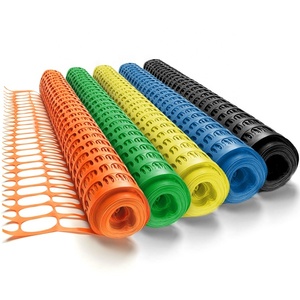
Material: UV-Stabilized HDPE / PP
Weight: 100 GSM Tensile Mesh
Application: Construction Barrier Safety
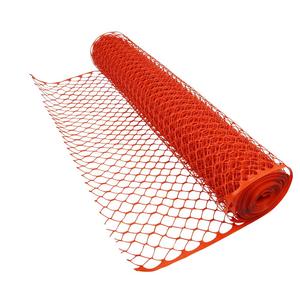
Density: High-Density Polymer Matrix
Feature: Portable & Soft Border Netting
Application: Site Perimeter & Safety Control
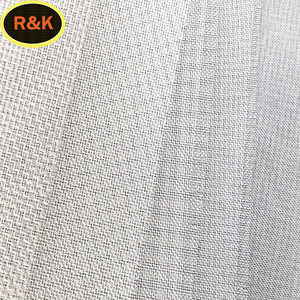
Pore Rating: 20 to 100 Micron Precision
Materials: Virgin PP, PA Nylon, Polyester
Application: Bio-Pharma & Fluid Filtration
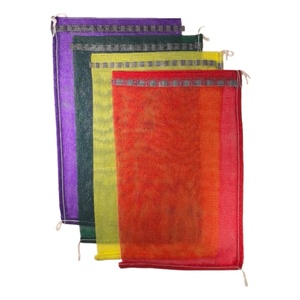
Capacity: 25kg Heavy Duty Load
Composition: 100% Virgin Polypropylene
Application: Bulk Agri & Food Transport
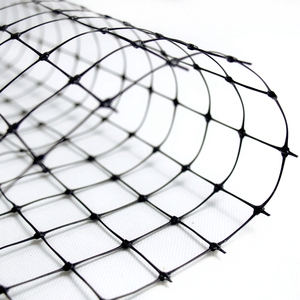
Process: Biaxially Oriented PP (BOPP)
Strength: High Impact & Tensile Stretch
Application: Agricultural & Perimeter Protection
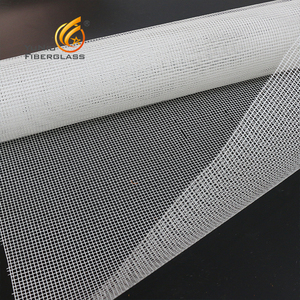
Weight/Grid: 145 GSM | 6×6mm Aperture
Properties: Flame Retardant & Geotextile
Application: Architectural & Industrial Reinforcement
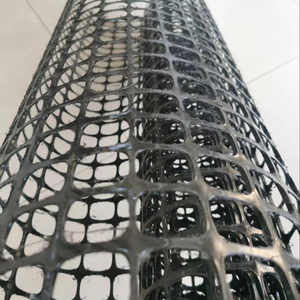
Structure: Black Biaxial Structural Geogrid
UV Rating: Anti-UV Virgin Polypropylene
Application: Heavy Farming & Soil Stabilization
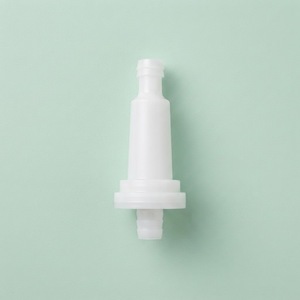
Polymer: PA6 Polyamide Nylon
Customization: Injection Molded Screens
Application: Industrial & Medical Fluid Separation
An in-depth technical report on monofilament polypropylene synthesis, pore architecture, and mechanical integrity for surgical repair and industrial filtration in the Greater Houston healthcare ecosystem.
Surgical hernia mesh manufacturing demands strict material purity, zero cytotoxicity, and permanent tensile resistance against intra-abdominal pressures. The gold standard material for abdominal wall reconstruction, ventral hernia repair, and inguinal hernioplasty is isotactic monofilament polypropylene.
Unlike multifilament structures which harbor interstitial spaces capable of harboring bacterial colonies, extruded monofilament polypropylene features a smooth surface profile. When processed inside cleanrooms under ISO 13485 quality control protocols, polypropylene mesh provides predictable fibroblast proliferation, rapid vascular ingrowth, and minimal inflammatory response.
Optimal tissue integration requires a macro-porous structure with pore apertures exceeding 75 microns (ideally 1.0 mm to 1.5 mm). Pores of this dimension allow macrophages, capillaries, and collagen fibers to pass unhindered, preventing mechanical bridge formation or rigid scar tissue encapsulation. Simultaneously, the mesh must exhibit a burst strength exceeding 180 kPa to resist dynamic stress during coughing or heavy physical exertion.
A side-by-side comparative analysis of polymer composition, physical geometry, and compliance requirements across industrial and medical applications.
| Mesh Classification | Primary Polymer | Pore Geometry & Size | Tensile Strength (N/cm) | Sterilization / Compliance | Primary Target Application |
|---|---|---|---|---|---|
| Medical Polypropylene Mesh | Monofilament Polypropylene (PP) | Knit Diamond / 1.0mm – 1.5mm | > 50 N/cm (1.1× USP) | ISO 13485 / EU MDR / EO Gas | Hernia Repair & Abdominal Wall Reconstruction |
| Precision Micron Filtration | PA6 Nylon / PP / Polyester | Square Mesh / 20µm – 100µm | High Sheer Resistance | Food Grade FDA / Cleanroom ISO 8 | Biopharmaceutical & Water Filtration Screens |
| Fire-Resistant Geotextile | Fiberglass / Flame Retardant PP | Grid Weave / 6mm × 6mm | > 145 g/m² High Impact | ASTM Flame Retardant Standard | Industrial Construction & Civil Infrastructure |
| Heavy-Duty Biaxial Geogrid | Virgin High-Density PP | Biaxial Structural Grid | Ultra-High Tensile Load | Anti-UV Stabilized / ASTM D6637 | Soil Stabilization & Agricultural Enclosures |
How local healthcare procurement networks, ambulatory surgery centers (ASCs), and industrial engineering firms in Southeast Texas utilize high-gain synthetic mesh technology.
As the world's largest medical complex, the Texas Medical Center (TMC) and surrounding Houston Ambulatory Surgical Centers demand sterile surgical mesh with flawless batch-to-batch consistency. Our monofilament polypropylene hernia meshes align with group purchasing organization (GPO) specifications, minimizing foreign body reaction and reducing post-operative complications in laparoscopic and open general surgical procedures.
Houston’s extensive oil, gas, and chemical processing facilities along the Houston Ship Channel require precision PA6 and PP injection-molded filter mesh screens. Designed to withstand corrosive chemical fluids and high hydrostatic pressure, these food-grade and industrial micron filters provide exact particle retention down to 20 microns for industrial water treatment plant operations.
Given Southeast Texas's extreme climate, heavy-duty UV-stabilized 100GSM orange safety fences and biaxial geogrids are critical for infrastructure defense. Construction barriers, soil erosion control along coastal levees, and commercial site perimeter fences demand high-tensile plastic meshes that will not degrade under Texas UV radiation and tropical heat exposure.
Universal Sutures (Unisur Lifecare) operates state-of-the-art cleanroom manufacturing plants. We serve international medical device brands and healthcare distributors with tailored contract manufacturing programs.
Navigating surgical device procurement requires balancing compliance risk, price stability, and clinical performance. As the second Indian manufacturer to achieve prestigious EU MDR (Regulation 2017/745) certification across 13 major product lines, our cleanroom facilities deliver unmatched regulatory reliability.
Detailed technical and commercial answers for hospital purchasing officers, OEM partners, and industrial procurement managers in Texas.
Our medical-grade polypropylene surgical meshes are produced inside certified ISO Class 7 cleanrooms adhering strictly to ISO 13485:2016 quality management systems and EU MDR 2017/745 regulations. Every production lot undergoes rigorous mechanical pull tests, bursting strength verification (exceeding 1.1× USP requirements), bio-burden assessment, and EO gas residue analysis. Technical files and Certificates of Analysis (CoA) accompany all hospital orders.
Heavyweight mesh (typically >75 g/m²) features smaller pore sizes and higher material density, offering extreme burst resistance but higher foreign-body mass. Lightweight mesh (approx. 28–35 g/m²) utilizes larger pores (>1.0 mm) that minimize long-term stiffening, reduce patient discomfort, and foster superior tissue integration while retaining adequate tensile strength for abdominal wall support. We manufacture both configurations to match specific surgical preferences.
Houston’s humid climate requires high-barrier packaging systems. Our sterile surgical meshes are sealed within medical-grade peelable aluminum foil and thermoformed Tyvek® pouches designed to resist humidity ingress, UV exposure, and thermal pressure variations during freight. Shelf-life stability is validated up to 5 years under standard accelerated aging protocols.
Yes. We specialize in OEM contract manufacturing for private-label brand owners. We provide pre-cut anatomical shapes (such as keyhole, plug, or TAPP/TEP laparoscopic shapes), continuous mesh rolls up to 32 cm width, and customized primary foil packages with distributor-branded artwork, multi-language instructions for use (IFU), and custom barcodes.
Our precision PA6 polyamide and polypropylene micron filter screens (ranging from 20 to 100 microns) are heavily utilized in Houston's chemical, bio-pharmaceutical, and water treatment plants. They feature high chemical resistance, uniform aperture dimensions, and low friction coefficients, ideal for custom injection-molded filtration cartridges and industrial liquid-solid separation equipment.
Standard catalog items carry flexible MOQs tailored for regional trial orders. Custom OEM orders or specific die-cut surgical meshes generally require an initial run batch. Shipments are dispatched directly via air express (3–5 business days to George Bush Intercontinental Airport - IAH) or ocean freight for high-volume industrial geotextiles arriving at the Port of Houston.
Our 145gsm 6×6mm fiberglass geotextile mesh nets are woven with alkali-resistant glass fibers and treated with flame-retardant synthetic coatings. They meet international fire safety benchmarks, providing structural reinforcement, crack resistance, and thermal stability in architectural insulation systems and industrial wall cladding across Gulf Coast construction sites.
We supply comprehensive technical master files including material safety data sheets (MSDS), ISO 13485 certificates, EU MDR conformity certificates, biological evaluation reports (ISO 10993 compliance), EO sterilisation validation reports, and real-time shelf-life stability data to streamline distributor regulatory filings.
Whether you require ISO 13485 surgical monofilament polypropylene meshes for hospital networks in Houston or high-volume industrial geotextiles and filtration screens, our team is ready to assist with samples, technical files, and factory-direct pricing.
Inquire Now