High-tensile, hydrolytically absorbable surgical materials engineered to meet USP standards for Moroccan medical institutions and global private labels.
Coated 90:10 glycolide-co-lactide braided suture delivering smooth tissue pass-through and exceptional knot security for general surgery.
Irradiated Polyglactin 910 designed for superficial skin closure, mucogingival procedures, and episiotomy requiring short-term hold.
Braided 100% homopolymer of glycolic acid coated with polycaprolactone, ideal for soft tissue approximation and ligation.
Impregnated with pure Triclosan antiseptic barrier to minimize Surgical Site Infections (SSI) in contaminated abdominal procedures.
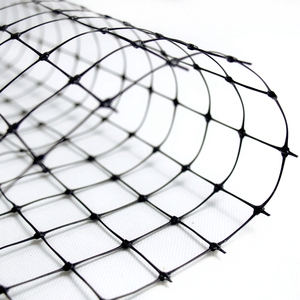
Synthetic monofilament suture providing extended wound support for fascia closure, pediatric cardiovascular, and orthopedic applications.
Extremely inert non-absorbable monofilament featuring smooth passage through cardiac and vascular tissues with minimal reactivity.
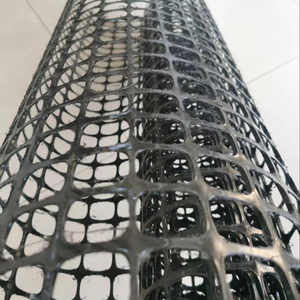
Knitted monofilament mesh offering optimal burst strength and customizable pore size for open and laparoscopic inguinal hernia repair.
Sterile mixture of purified beeswax and isopropyl palmitate for immediate mechanical hemostasis in osseous hemorrhages.
Polyglactin 910 (commonly designated as PGLA) represents the gold standard in synthetic, absorbable braided surgical sutures. Chemically synthesized as a copolymer composed of 90% glycolide and 10% L-lactide, Polyglactin 910 exhibits a balanced profile between high initial tensile strength, predictable hydrolytic degradation, and minimal inflammatory tissue response. For surgical procurement committees, biomedical engineers, and hospital purchasing directors in Morocco, evaluating Polyglactin 910 factories requires an in-depth understanding of the chemical, mechanical, and biological characteristics that differentiate certified medical device manufacturers from generic suppliers.
Comparative benchmarks established in cleanroom testing under ISO 13485 and EU Regulation 2017/745 guidelines.
Unlike traditional natural collagen or chromic catgut sutures, which rely on enzymatic digestion resulting in unpredictable absorption rates and localized cell reaction, Polyglactin 910 undergoes degradation through non-enzymatic hydrolytic cleavage. Water molecules penetrate the polymer matrix, systematically cleaving the ester linkages of the poly(glycolide-co-lactide) chain into glycolic acid and lactic acid monomers, which are subsequently metabolized and excreted via the Krebs cycle.
In-vivo biomechanical studies demonstrate that Polyglactin 910 sutures maintain approximately 75% of their original knot-pull tensile strength at 14 days post-implantation, approximately 50% at 21 days, and 25% at 28 days. Complete mass absorption occurs predictably between 56 and 70 days. This predictable kinetics profile makes Polyglactin 910 the ideal choice for soft tissue approximation where temporary support for 3 to 4 weeks is clinically required.
Information Gain Benchmark: Universal Sutures enforces a quality threshold where every production batch of Polyglactin 910 is validated to exceed USP (United States Pharmacopeia) and Ph. Eur. (European Pharmacopoeia) minimum tensile strength and needle-attachment pull-off requirements by at least 10% (1.1× USP standard). This safety margin prevents premature tissue dehiscence under intra-abdominal dynamic stress.
Raw braided synthetic fibers can exhibit a "sawing" effect (tissue drag) during passage through delicate parenchymal tissue. To eliminate friction while preserving knot security, top-tier Polyglactin 910 factories utilize a specialized synthetic coating comprising equal parts Polycaprolactone (PCL) and Calcium Stearate. This non-reactive coating fills the interstitial voids between braided filaments, transforming the exterior into a smooth surface that glides through tissue effortlessly while allowing knots to lock securely into place with zero slippage or premature fraying.
Why international hospital networks and Moroccan medical importers require audit-verified manufacturing excellence.
Operates under full EU Medical Device Regulation compliance with complete technical dossiers, risk management protocols (ISO 14971), and clinical evaluation reports (CER).
300-series stainless steel needles featuring micro-drilled ends and longitudinal ribbing to prevent needle swage detachment and holder twisting during deep pelvic or abdominal suturing.
Ethylene Oxide (EO) sterilization cycles validated under ISO 11135, guaranteeing a Sterility Assurance Level (SAL) of 10⁻⁶ with bioburden testing and zero toxic residue limits.
The demand for high-grade absorbable surgical sutures in Morocco has experienced significant acceleration across both the public health sector (Centre Hospitalier Universitaire - CHU) and private healthcare facilities (Cliniques Privées). Polyglactin 910 serves as an indispensable surgical consumable across key medical regions including Casablanca, Rabat, Marrakech, Fes, and Oujda.
In Moroccan maternity wards and regional CHU facilities, Polyglactin 910 (USP sizes 2-0, 0, and 1) is heavily utilized for uterine layer closure in Cesarean sections, vaginal hysterectomy, and episiotomy repair. Rapid-absorption PGLA variants reduce post-partum discomfort by eliminating the need for suture removal in sensitive mucosal tissues.
General surgeons across private clinics in Casablanca and Rabat rely on Polyglactin 910 for bowel anastomoses, appendectomies, and gallbladder resections. The tensile retention curve supports intestinal mucosal healing during the critical 14-day recovery window without provoking tissue erosion.
Micro-gauge Polyglactin 910 (USP 6-0 to 8-0 with spatulated micro-needles) is vital in Moroccan specialized eye clinics for strabismus correction and corneal scleral laceration repair, delivering non-irritating, precise hold without suture drag.
Because synthetic braided sutures do not act as a nidus for stone formation (calculosis) to the extent of non-absorbable alternatives, Polyglactin 910 is widely specified in Moroccan urology departments for bladder wall suturing and renal tissue reconstruction.
Morocco’s national healthcare system is currently undergoing a structural transformation, driven by the royal initiative for compulsory medical coverage (Assurance Maladie Obligatoire - AMO) and significant infrastructure expansion under Vision 2030. These macroeconomic developments directly influence how surgical consumables are sourced, registered, and deployed.
The Moroccan Ministry of Health (Ministère de la Santé et de la Protection Sociale) mandates strict import authorization and device registration through the DMP. Top Polyglactin 910 manufacturers must provide comprehensive CE Technical Dossiers, ISO 13485 audit certificates, certificates of free sale (CFS), and batch analysis reports to allow Moroccan medical distributors to navigate registration smoothly.
Leading Moroccan pharmaceutical distributors and medical supply houses are increasingly transitioning from simple import models to established OEM/private-label partnerships. Partnering directly with certified international suture factories allows local firms to offer customized Arabic/French dual-language primary foil packs, customized box quantities, and reliable tender pricing for public hospital bids.
With Morocco operating world-class port infrastructure at Tanger Med and Casablanca Port, surgical device importers require factory partners capable of efficient sea freight containerization and air freight delivery. Timely batch release, tropical-grade moisture-barrier aluminum foil packaging, and temperature-stable packaging are essential to survive maritime transport and North African storage conditions.
Universal Sutures (the global brand of Unisur Lifecare Pvt. Ltd.) stands at the forefront of international surgical device manufacturing. As the second Indian suture manufacturer to secure prestigious EU MDR (Regulation 2017/745) Certification across 13 product families, the enterprise offers unparalleled technical capability and ethical production standards.
Operates ISO Class 7 cleanrooms equipped with automated precision braiding, multi-stage coating, micro-drilled needle crimping, and hermetic aluminum foil sealing lines.
Maintains an empowered workforce where over 70% of employees are women, backed by strict zero-child-labor policies, comprehensive healthcare, and continuous skill training.
Provides complete technical files, stability testing data, bio-compatibility studies (ISO 10993), and artwork customization for seamless DMP approval in Morocco.
Direct answers for biomedical procurement officers, hospital directors, and medical device importers in Morocco.
We supply full EU MDR (Regulation 2017/745) certificates, ISO 13485 QMS certification, Certificates of Free Sale (CFS) legalized by the relevant authorities, ISO 10993 biocompatibility test reports, ETO sterilization validation reports, and complete technical dossiers formatted for submission to Morocco's Direction du Médicament et de la Pharmacie (DMP).
While both are synthetic absorbable braided sutures, Polyglactin 910 is a copolymer (90% glycolide and 10% L-lactide), whereas PGA is a 100% glycolic acid homopolymer. Polyglactin 910 offers slightly higher flexibility, smoother surface passage due to its PCL/Calcium Stearate coating, and a slightly faster total mass absorption rate (56-70 days vs 60-90 days for PGA), making PGLA preferred for delicate gynecological and pediatric surgeries.
Every batch of suture-needle combinations undergoes rigorous needle-attachment pull-testing on calibrated digital tensiometers. Our production line enforces a minimum attachment strength 1.1 times (110%) higher than the USP requirement. Furthermore, micro-drilled ribbed needles ensure 360-degree mechanical crimping integrity, eliminating needle holder rotation.
Yes. Our in-house OEM branding team produces customized primary aluminum foil packs, secondary unit boxes, and shipping cartons with full dual-language (French/Arabic) text, barcode compliance (GS1 DataMatrix), lot numbering, expiration coding, and customized distributor logos.
Polyglactin 910 sutures have a validated shelf-life of 5 years from the date of sterilization. They are packed in air-tight, moisture-proof aluminum foil inner packs with desiccant protection. They should be stored below 25°C away from direct heat and moisture to maintain polymer molecular weight and tensile integrity.
Expand your surgical product catalogue in Morocco with certified EU MDR sutures, custom OEM private labeling, and direct factory pricing. Request technical samples and regulatory dossiers today.