Engineered with Japanese Stainless Steel (JIS SUS420J2/SUS440C) metallurgy standards, featuring razor-edge micro-serrations, tungsten carbide reinforcement, and ergonomic balance for clinical perfection.
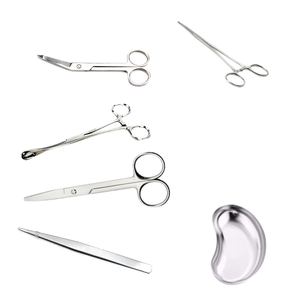
A comprehensive analysis of surgical scissor metallurgy, PMDA compliance pathways, and clinical performance metrics for medical device buyers and procurement officers in Tokyo.
Executive Summary: Modern surgical care in the Greater Tokyo Area—spanning premier university hospitals in Bunkyo-ku to private aesthetic surgical centers in Ginza—demands an uncompromising balance between edge retention, tactile feedback, and strict sterilizability. As surgical procedures transition toward minimally invasive and microsurgical techniques, the technical requirements for manual cutting instruments have shifted from basic carbon steel to high-density martensitic stainless steel (JIS SUS420J2/SUS440C) and Tungsten Carbide (TC) bonded edge technology. This document outlines the manufacturing specifications, localized application paradigms, regulatory standards, and supply-chain guarantees offered to Tokyo-based distributors and healthcare providers.
The performance of a surgical scissor is dictated by metallurgy, heat treatment dynamics, and blade edge micro-geometry. For healthcare institutions in Tokyo operating under stringent Central Sterile Supply Department (CSSD) protocols, instruments must withstand hundreds of autoclaving cycles without experiencing blade dulling, rusting, or pivot tension relaxation.
We source premium grade martensitic stainless steel featuring high chromium content (12-14%) and controlled carbon ratios. Vacuum heat treatment ensures a uniform carbide structure, reaching a hardness profile of 56 to 58 Rockwell C (HRC) to resist pitting corrosion under steam autoclave conditions.
Designed for soft tissue and delicate plastic surgery (such as the Aston Facelift series), one blade features precision laser-etched micro-serrations to hold slippery tissue firmly while the opposite razor-ground edge glides smoothly through fat fascia and skin layers without tearing.
Every pair undergoes multi-stage chemical passivation using nitric/citric acid baths in compliance with ASTM A967 and ASTM F895 standards. This process strips free iron particles from the surface, creating an impenetrable chromium oxide passive film essential for high-humidity climates in Japan.
| Material / Technology Class | Composition & Hardness | Primary Clinical Application | Tokyo Market Compatibility |
|---|---|---|---|
| Standard Stainless Steel | JIS SUS420J2 / HRC 52-54 | General Surgery, Nursing Dressing, Dissection | High volume hospital ward supply, EMS Kits |
| Tungsten Carbide (TC) Bonded | TC Inserts (Hardness HRC 68-72) | Cardiovascular, Orthopedic, High-Duty Cutting | Surgical centers requiring extended edge life (3x longevity) |
| SuperCut (Razor Edge + Serrated) | SUS440C / HRC 56-58 | Plastic, Reconstructive & Aesthetic Surgery | Ginza & Omotesando cosmetic clinics, ENT microsurgery |
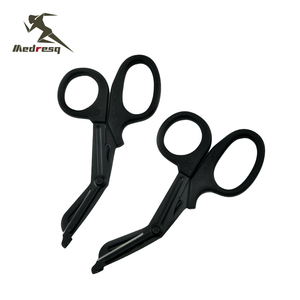
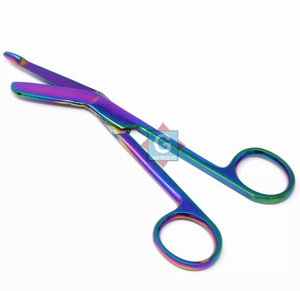
| Titanium Plasma Coated | Martensitic Base + TiN Coating | Trauma, Diagnostic, Specialty Identification | Pediatric wards, specialty surgical sets, ergonomic EMS |
Tokyo hosts one of the highest concentrations of advanced medical research institutions and specialized clinics in the Asia-Pacific region. Sourcing surgical instruments requires a nuanced understanding of regional clinical demands across Tokyo's distinct medical hubs.
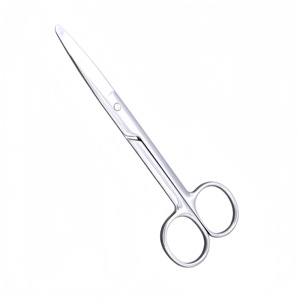
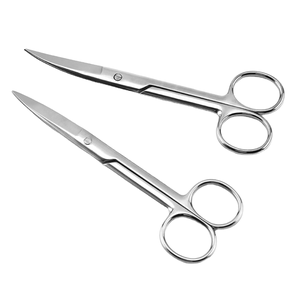
In centers such as University of Tokyo Hospital (Todai) and Keio University Hospital, surgical teams perform complex, long-duration oncology and organ transplant procedures. Instruments like our Straight Tissue Dissection Scissors and General CE Class I Operating Scissors are calibrated for zero-friction tension control, reducing hand fatigue during 8+ hour surgeries.
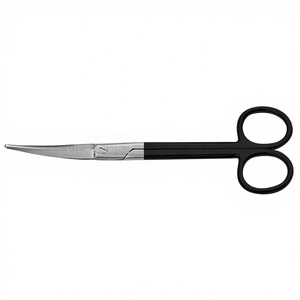
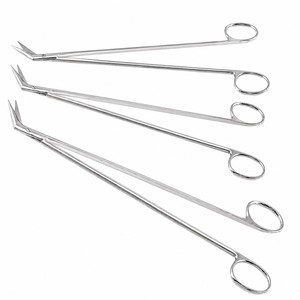
Tokyo leads Asia in precision aesthetic surgery, including blepharoplasty, rhinoplasty, and facelift procedures. The Aston Facelift Serrated SuperCut Scissors feature curved ultra-fine tips engineered specifically to dissect subdermal SMAS layers with surgical exactitude, leaving minimal trauma to surrounding capillary beds.
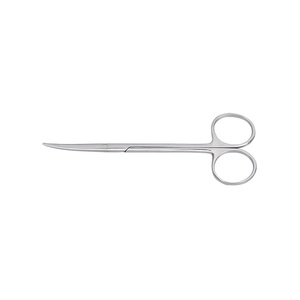
Accessing the posterior oral cavity requires tailored shaft lengths and ergonomic curvature. The Kelly 7-Inch Curved Dental Scissors provide maximum visibility under operating microscopes, enabling dental surgeons to perform mucoperiosteal flap dissection and suture trimming with micro-grade control.
Understanding local market shifts allows procurement officers to make future-proof purchasing decisions. Key trends driving surgical scissor selection in the Japanese market include:
As a leading surgical scissors manufacturer and global supplier supplying healthcare partners in Tokyo, our manufacturing operations are anchored in technical precision, total quality management, and rigorous regulatory compliance.
Every surgical instrument batch undergoes automated stress testing. Our scissors exceed the minimum USP shear strength and pivot pull requirements by at least 10%, ensuring long-term edge fidelity even during heavy orthopedic or soft tissue procedures.
Following CNC grinding and manual master-craftsman edging, instruments enter ultra-sonic bath degreasing lines and controlled cleanroom environments for final inspection, primary foil/pouch packaging, and batch labeling.
We partner with Japanese medical brands to provide custom laser-etching (brand logo, product code, lot number), customized Japanese-language packaging artwork, and technical registration support for seamless regulatory clearance.
Addressing regulatory, metallurgical, logistics, and private-label considerations for importing and distributing surgical scissors in Japan.
We provide full technical documentation packages to support your Marketing Authorization Holder (MAH) or importer of record during PMDA (Pharmaceuticals and Medical Devices Agency) notifications. This includes ISO 13485 certificates, CE Declaration of Conformity, ASTM metallurgy analysis reports, biocompatibility test results, and batch Certificate of Analysis (CoA).
Our instruments are built from passivated martensitic stainless steel (JIS SUS420J2/SUS440C equivalent) engineered specifically for high-temperature steam sterilization (autoclaving at 134°C for 18-20 minutes). The passivated chromium-oxide layer protects against corrosion and micro-pitting caused by washer-disinfectors and alkaline cleaning solutions.
Yes. Our OEM division handles high-precision fiber laser marking for product SKU codes, GS1 DataMatrix barcodes, custom hospital logo branding, and Japanese text. Packaging can be configured in cleanroom pouches or retail boxes tailored to Japanese distribution specifications.
Standard operating scissors feature two ground edges suitable for general dissection and utility cutting. SuperCut scissors utilize one micro-serrated blade to anchor slippery soft tissue firmly while the opposing knife-honed razor blade slices cleanly without tissue slippage or micro-trauma. SuperCut models are widely preferred in plastic, facial reconstructive, and vascular procedures in Tokyo clinics.
For standard catalog inventory, MOQs start as low as 50 units per item code. For custom OEM or private-label orders, typical MOQs are 200–500 units depending on technical specifications. Air freight shipments to Tokyo Haneda (HND) or Narita (NRT) take approximately 3–5 business days, while ocean freight to Tokyo/Yokohama ports takes 12–16 days.
Every pair of scissors is hand-adjusted and calibrated by experienced surgical instrument technicians. Pivot screws are torqued precisely so that the blades maintain constant contact along the entire shear plane without binding or wobbling, offering superior tactile sensitivity for surgeon precision.
Elevate your medical supply inventory with ISO 13485 and CE certified surgical scissors. Request technical files, sample kits, or OEM pricing tailored to your Japanese market requirements.
Get a Quote