Explore Products View Certificates
EU MDR (2017/745) & ISO 13485 CERTIFIED MANUFACTURING

Hernia Mesh Factories & Exporters serving Turkey

A Comprehensive Technical Whitepaper & Strategic OEM Procurement Guide for Turkish Healthcare Networks, Surgical Distributors, and Hospital Systems.

Surgical & Specialized Polymer Mesh Portfolio

Explore our certified medical-grade monofilament polypropylene hernia meshes and specialized synthetic polymers engineered for high tensile stability and minimal tissue reaction.
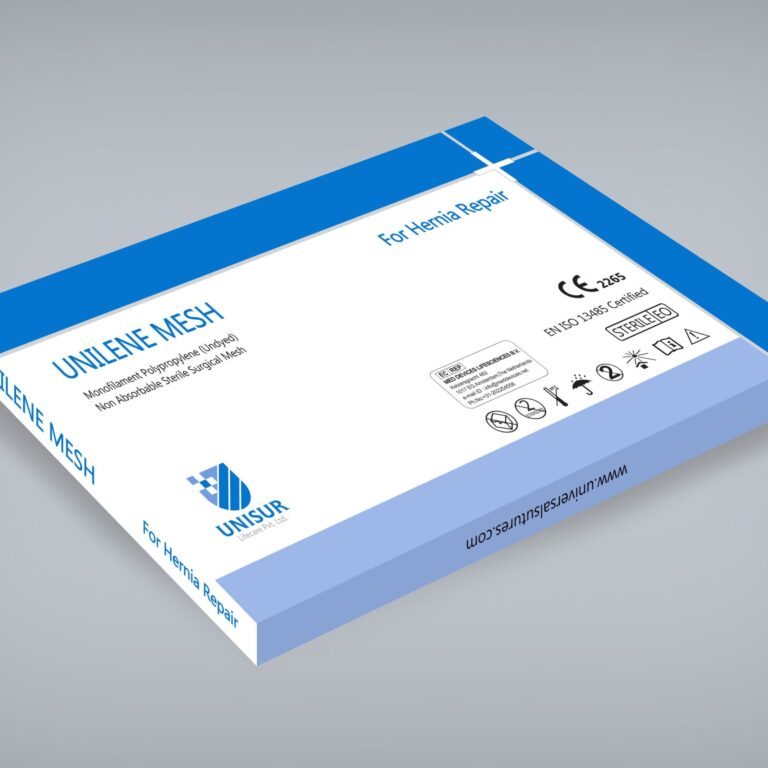
UNILENE Monofilament Polypropylene Hernia Mesh
Medical Grade PP

UNILENE Monofilament Polypropylene Hernia Mesh

  • Pore Size > 1.2mm for tissue ingrowth
  • Burst strength > 120 kPa
  • Pre-cut sizes & custom sheets
Get Catalog
Lightweight Composite Hernia Repair Mesh
Ultra-Lightweight

Lightweight Composite Hernia Repair Mesh

  • Low surface weight (approx. 35 g/m²)
  • Enhanced flexibility & low pain
  • ISO 13485 & CE certified
Get Catalog
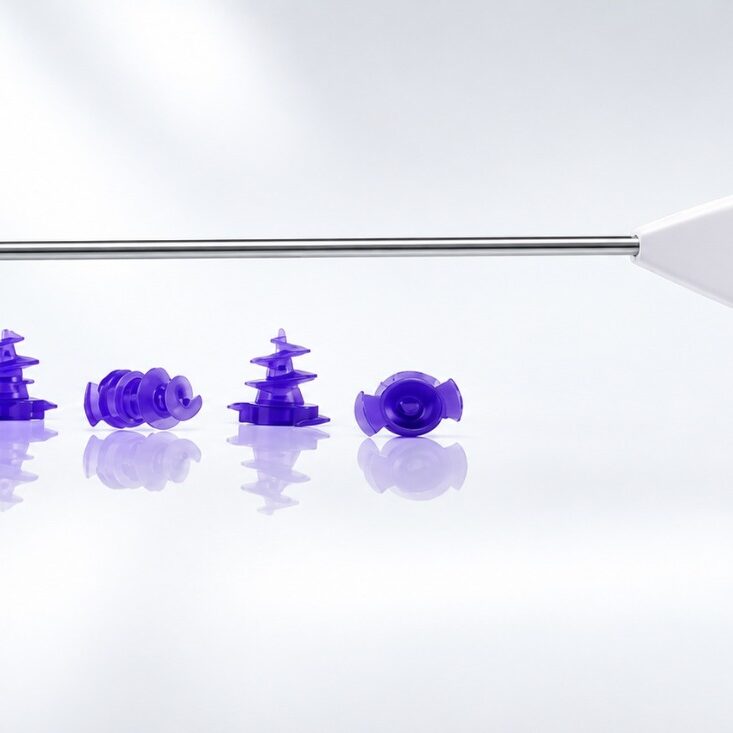
UNITACK Absorbable Hernia Mesh Fixation Device
Fixation System

UNITACK Absorbable Mesh Tacker System

  • PLGA bioabsorbable fasteners
  • Secure initial tissue anchorage
  • Zero permanent metal residue
Get Catalog
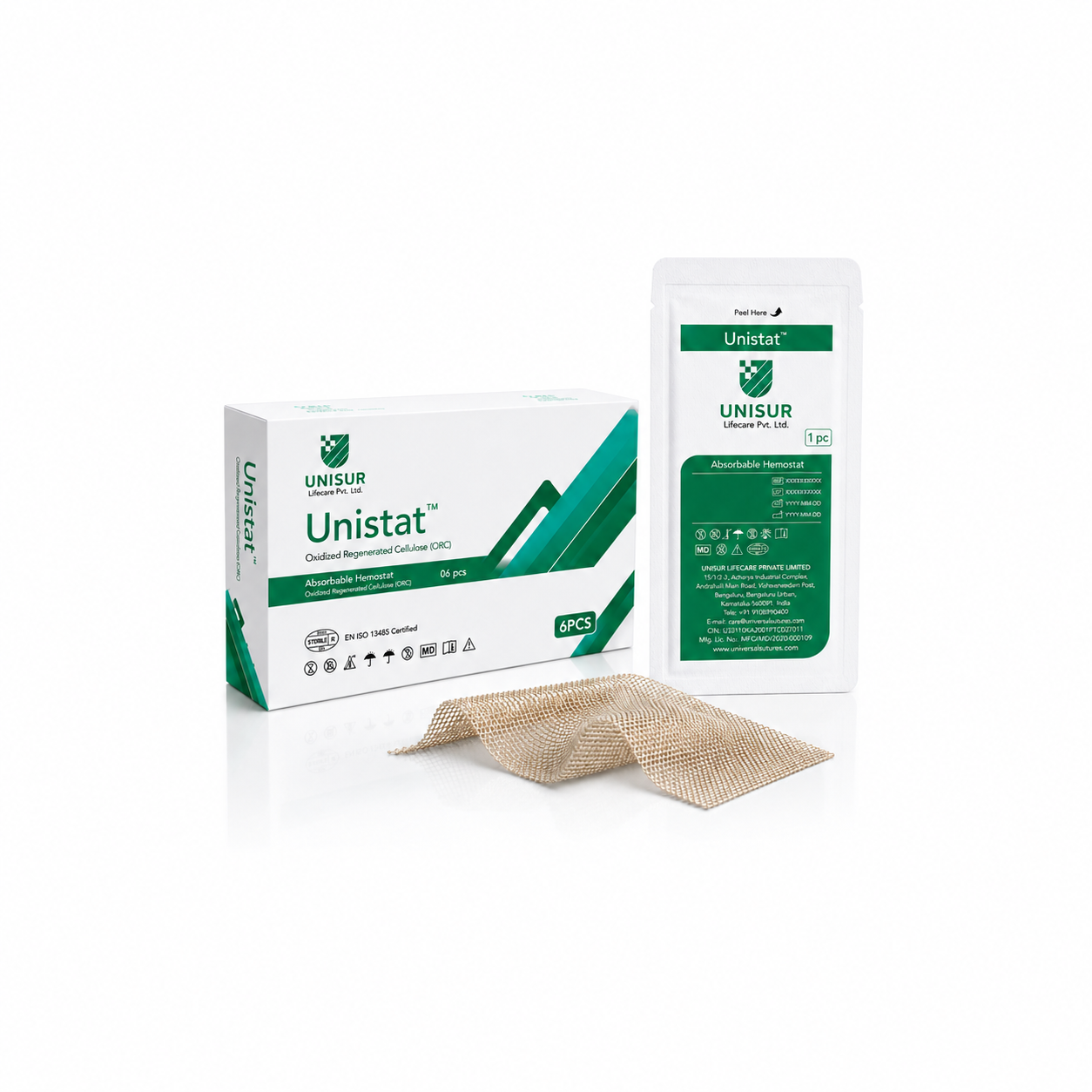
UNISTAT Oxidized Regenerated Cellulose Haemostat
Surgical Haemostat

UNISTAT ORC Absorbable Haemostatic Mesh

  • Rapid intra-operative hemostasis
  • Bactericidal effect against pathogens
  • Complete enzymatic absorption
Get Catalog
Medical Grade Micron Filter & Barrier Mesh
Polymer Textile

Food & Medical Grade Micron Nylon/PP Mesh

  • 20 to 100 Micron pore precision
  • 100% Virgin biocompatible polymer
  • High tensile tear resistance
Get Catalog
Heavy Duty Fire-Resistant Geotextile Mesh Net
Technical Netting

Fire Resistant 145gsm Reinforcement Mesh

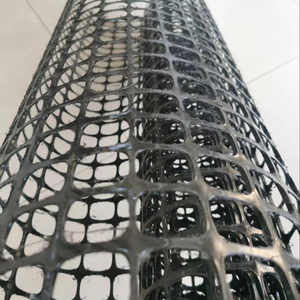
  • High strength 6*6mm mesh grid
  • Alkali & thermal stability
  • Extremely durable structure
Get Catalog
Black Virgin PP Tensile Barrier Netting
High Extrusion PP

High-Tensile Biaxial Polypropylene Structural Mesh

  • Anti-UV virgin raw materials
  • Biaxial orientation strength
  • Resremely high burst tolerance
Get Catalog
PA6 Custom Industrial & Surgical Filter Screen
PA6 Molding Screen

PA6 Injection Molding Precision Screen Netting

  • Custom sizing & micro-apertures
  • Cleanroom molded components
  • Excellent chemical resistance
Get Catalog
5,000+
Active Product Codes
1.1× USP
Tensile Strength Safety Margin
EU MDR
Regulation 2017/745 Certified
ISO 13485
Cleanroom Manufacturing

Executive Summary: Navigating Hernia Mesh Importation & Supply Chains in Turkey

Turkey has positioned itself as one of the premier medical hubs across Europe, the Middle East, and Eurasia. Driven by the expansion of large-scale City Hospitals (Şehir Hastaneleri) and a thriving private medical tourism sector, the annual demand for Class III medical devices—specifically abdominal wall repair materials, polypropylene hernia meshes, and absorbable haemostats—has experienced exponential growth. For Turkish medical device importers, hospital procurement officers, and surgical distributors, establishing direct OEM and wholesale relationships with certified international hernia mesh manufacturers is a critical strategic priority.

This technical whitepaper examines the biomechanical requirements, regulatory pathways (specifically compliance with the Ministry of Health's ÜTS - Ürün Takip Sistemi and EU MDR 2017/745), and polymer processing standards required for foreign exporters serving the Turkish healthcare market. By providing actionable information gain, this document serves as a operational reference for evaluating manufacturing facilities, quality management systems, and product specification benchmarks.

Strategic Key Insight for Turkish Procurement Managers: Under current Turkish Ministry of Health (T.C. Sağlık Bakanlığı) guidelines, all hernia meshes imported into Turkey must possess valid CE Mark certifications under EU MDR 2017/745 or transitioning MDD arrangements, along with complete technical dossiers registered within the ÜTS national tracking database. Exporters offering pre-validated 1.1× USP tensile strength standards significantly reduce local liability and post-market surveillance complications.

1. Polymer Biomechanics & Material Science of Hernia Mesh

Surgical repair of inguinal, incisional, and ventral hernias has shifted almost universally toward tension-free mesh repair techniques (such as Lichtenstein, TEP, and TAPP procedures). The long-term surgical outcome depends heavily on the physical, mechanical, and biological properties of the synthetic prosthetic mesh deployed.

1.1 Polypropylene Monofilament vs. Multifilament Constructions

Extruded medical-grade isotactic polypropylene (PP) remains the gold standard biomaterial for abdominal hernioplasty. Monofilament polypropylene strands are vastly superior to braided multifilament alternatives because they eliminate microscopic interstitial spaces (< 10 microns) where bacteria such as Staphylococcus aureus can harbor, immune to phagocytosis by host macrophages (which average 15-20 microns in diameter).

Macroporous Pore Architecture

Pore size exceeding 1.0 mm to 1.5 mm allows rapid fibroblastic infiltration, collagen deposition, and full vascularization while eliminating bridging scar formation.

Controlled Surface Mass Density

Transitioning from heavy-weight (~90 g/m²) to light-weight (~35-45 g/m²) options reduces foreign body reaction, shrinkage, and post-operative chronic pain.

Burst Strength & Elasticity

Engineered to withstand intra-abdominal pressure spikes exceeding 180 mmHg during extreme coughing, matching natural physiological abdominal wall compliance (approx. 20-30%).

1.2 Biomechanical Comparison Matrix for Mesh Procurement

When evaluating hernia mesh factories for export into Turkey, procurement teams should benchmark physical parameters against the following validated standards:

Mesh Category Surface Weight (g/m²) Pore Size (mm) Burst Pressure (kPa) Clinical Application
Heavyweight Standard 80 - 100 g/m² 0.6 - 0.9 mm > 150 kPa Large abdominal wall defects, complex incisional repair
Medium-Weight Universal 50 - 65 g/m² 1.0 - 1.5 mm > 120 kPa Open Lichtenstein, TEP & TAPP Inguinal repair
Lightweight Ergonomic 28 - 40 g/m² 1.8 - 3.0 mm > 90 kPa Laparoscopic inguinal hernia, reduced chronic pain focus
Composite / Barrier Mesh Variable (Dual Layer) Macroporous + Barrier > 110 kPa Intraperitoneal repair (IPOM) with visceral contact

2. Localized Application Scenarios & Surgical Trends in Turkey

Turkey’s surgical landscape is characterized by high operational volume and advanced adoption of minimally invasive laparoscopic and robotic-assisted techniques. Understanding local surgical habits is essential for foreign factories seeking long-term distribution partnerships in cities such as Istanbul, Ankara, Izmir, Bursa, and Antalya.

2.1 Endoscopic Hernia Repair (TEP & TAPP Procedures)

In Turkey's leading university hospitals and private medical centers (e.g., Acıbadem, Memorial, Medical Park groups), Total Extraperitoneal (TEP) and Transabdominal Preperitoneal (TAPP) endoscopic techniques represent a significant portion of repair procedures. Surgeons prefer pre-shaped (anatomical) or soft polypropylene meshes that can be easily rolled, inserted through a 10mm trocar, and rapidly deployed in the retroperitoneal space without memory distortion.

2.2 Public Health Tender Requirements (DMO & SGK Compliance)

Public hospital procurement in Turkey operates under the State Supply Office (Devlet Malzeme Ofisi - DMO) and Social Security Institution (Sosyal Güvenlik Kurumu - SGK) reimbursement frameworks. To qualify for government tenders, hernia meshes must offer:

  • Strict Price-Performance Ratio: Competitive tier-one pricing without compromising regulatory compliance.
  • Extended Shelf Life: 5-year validated shelf life using double-layer sterile peel-open packaging with Ethylene Oxide (EtO) indicator strips.
  • Clear Traceability: Barcode/QR code integration conforming to GS1 DataMatrix standards for immediate scanning into the national ÜTS database.

3. Regulatory Roadmap: EU MDR (2017/745) & Turkish ÜTS Registration

As Turkey maintains a Customs Union agreement with the European Union, the Turkish Medicines and Medical Devices Agency (TİTCK) enforces regulatory standards aligned with European Medical Device Regulation (EU MDR 2017/745).

Exporter Verification Requirement: Non-EU manufacturers exporting to Turkey must provide Notified Body-issued CE Certificates under EU MDR Annex IX or XI. Furthermore, manufacturers must maintain an accredited European Authorized Representative (EC REP) or direct Turkish Authorized Import Representative to complete ÜTS product registration.

3.1 ISO 13485:2016 Cleanroom Manufacturing Standards

Hernia mesh production demands rigorous environmental control. Modern production facilities utilize Class 7 (Class 10,000) cleanrooms for warp-knitting, ultrasonic washing, cutting, and pouch sealing. Key manufacturing parameters include:

  • Pyrogen & Endotoxin Controls: Bacterial endotoxin limits validated below 20 EU/device per USP <85>.
  • Bioburden Monitoring: Routine testing prior to terminal EtO sterilization to guarantee a Sterility Assurance Level (SAL) of 10⁻⁶.
  • Tensile Margin Over-Testing: Needled sutures and mesh structural borders tested to at least 1.1 times USP requirements.

4. Strategic OEM & Private-Label Opportunities for Turkish Distributors

Many established medical importers in Turkey prefer to launch proprietary brands to build long-term local market equity. Leading international factories offer comprehensive turnkey OEM private-label programs, encompassing:

Custom Pack Configurations

Flexibility to order standard flat sheets (6x11cm, 7.5x15cm, 15x15cm, 30x30cm), pre-shaped 3D contours, or roll mesh up to 32cm x 25m.

Multilingual Packaging & Labeling

Full Turkish language integration on primary aluminum foil packs, secondary shelf cartons, and IFUs (Instructions for Use) complying with TİTCK labeling directives.

Dossier & Registration Support

Provision of complete STED (Summary Technical Documentation) technical files, clinical evaluation reports (CER), and biocompatibility data (ISO 10993 series) for seamless ÜTS submission.

Frequently Asked Questions (FAQ) for Procurement in Turkey

Q1: Are foreign-manufactured hernia meshes accepted in Turkish SGK reimbursement tenders?
Yes. Foreign-manufactured hernia meshes are fully accepted in SGK-reimbursed hospital tenders provided the manufacturing plant holds valid ISO 13485 and CE mark credentials under EU MDR (or recognized transition provisions), and the product's barcode is actively registered in the Ministry of Health's ÜTS database.
Q2: What is the standard shelf life and storage requirement for exported polypropylene mesh?
Medical-grade polypropylene mesh sealed in Tyvek/film or aluminum foil blister packaging carries a validated 5-year shelf life when stored below 25°C in a dry environment away from direct sunlight and ionizing radiation.
Q3: How does Ethylene Oxide (EtO) sterilization affect polypropylene mesh tensile strength?
Validated EtO sterilization cycles (per ISO 11135) do not degrade isotactic polypropylene. Unlike gamma irradiation, which can cause polymer chain scission and brittleness over time, EtO preserves long-term fiber elasticity and burst strength.
Q4: Can we order custom-shaped or private-label hernia mesh for our distribution network in Istanbul?
Yes. Modern factories offer OEM private-label manufacturing including specialized die-cut anatomical shapes, customized dimensions, and private branding printed directly on primary peel-pouches and outer boxes with full Turkish language compliance.
Q5: What is the typical lead time for sea or air freight shipments from Asia/India to Turkish ports?
Air freight shipments to Istanbul Airport (IST) typically take 3 to 7 days, while ocean freight to major ports such as Ambarlı (Istanbul), Mersin, or Izmir requires approximately 18 to 25 days depending on shipping line routing and customs clearance efficiency under ATR certification.

Partner with an EU MDR Certified Hernia Mesh Manufacturer

Expand your surgical product portfolio in Turkey with validated monofilament polypropylene meshes, absorbable tackers, and haemostatic devices engineered to exceed USP standards.

Get Catalog