Designed to exceed rigorous clinical standards, our medical-grade absorbable hemostats, polypropylene hernia meshes, surgical bone waxes, and high-tensile filtration net fabrics provide dependable surgical control across public provincial hospitals and private health networks in South Africa.
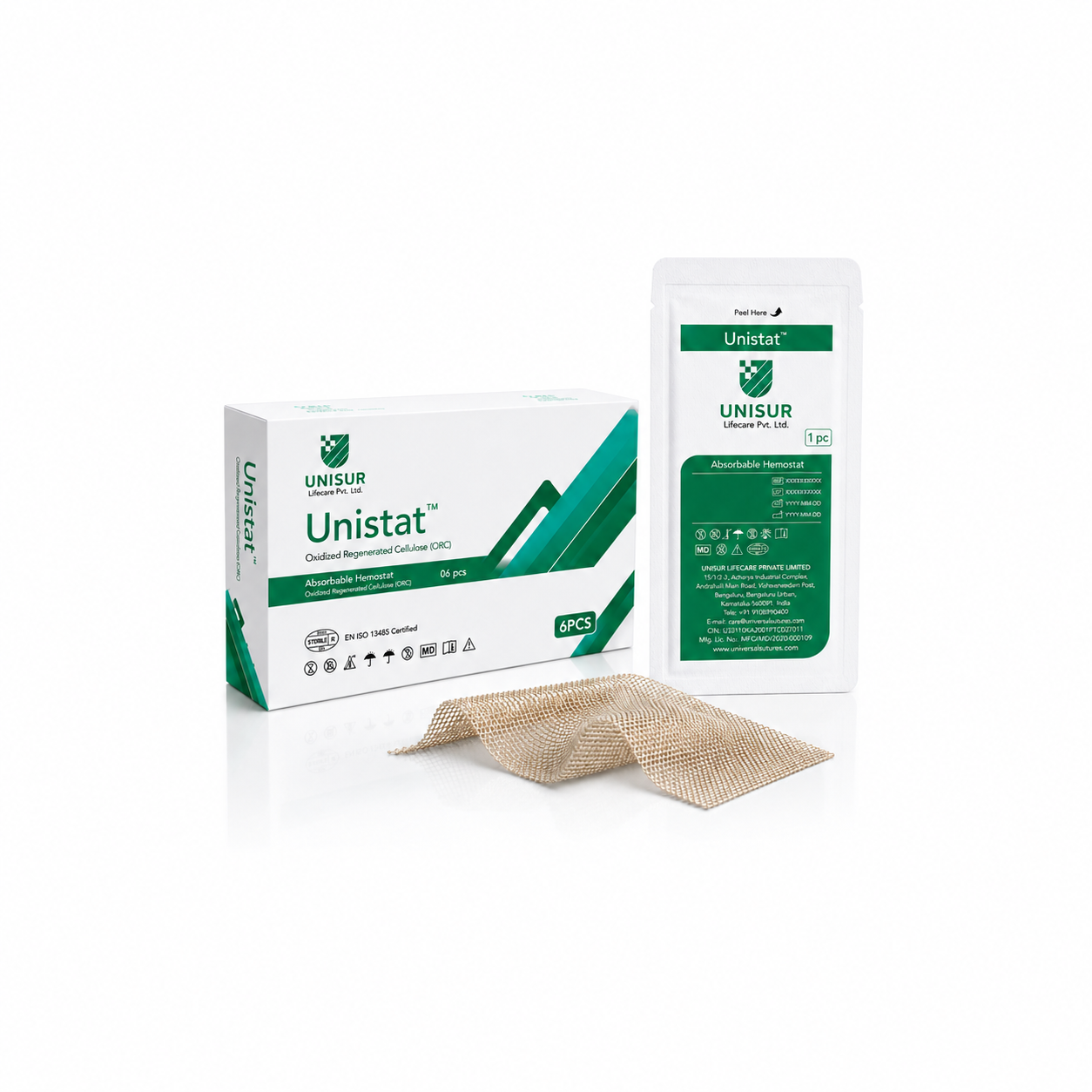
Fast-acting absorbable oxidized regenerated cellulose (ORC) micro-powder. Achieves total hemostasis in 2–4 minutes across oozing surgical fields.
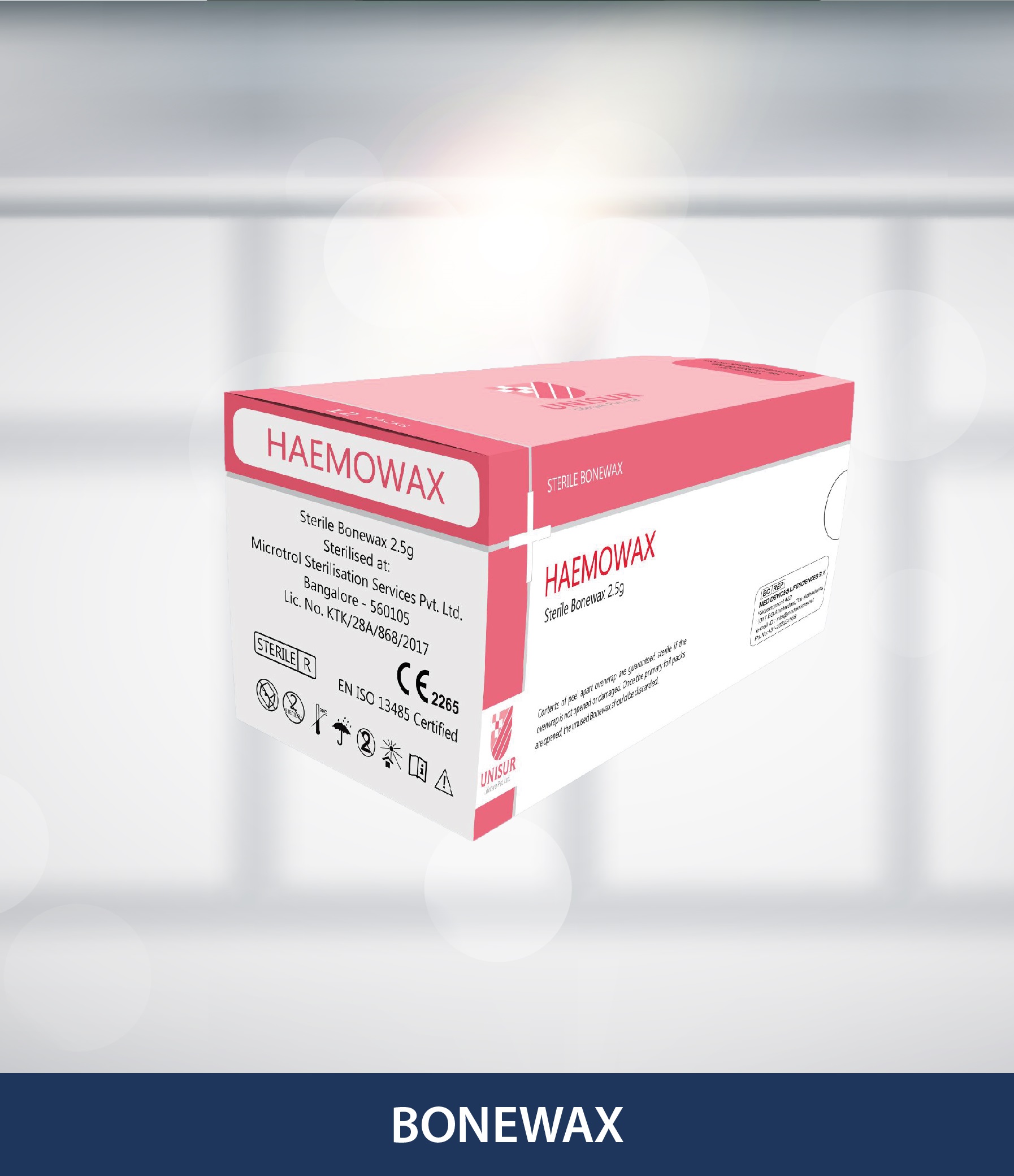
Sterile, opaque beeswax matrix formulation engineered for mechanical osseous hemostasis during sternotomy, orthopedic trauma, and spinal procedures.
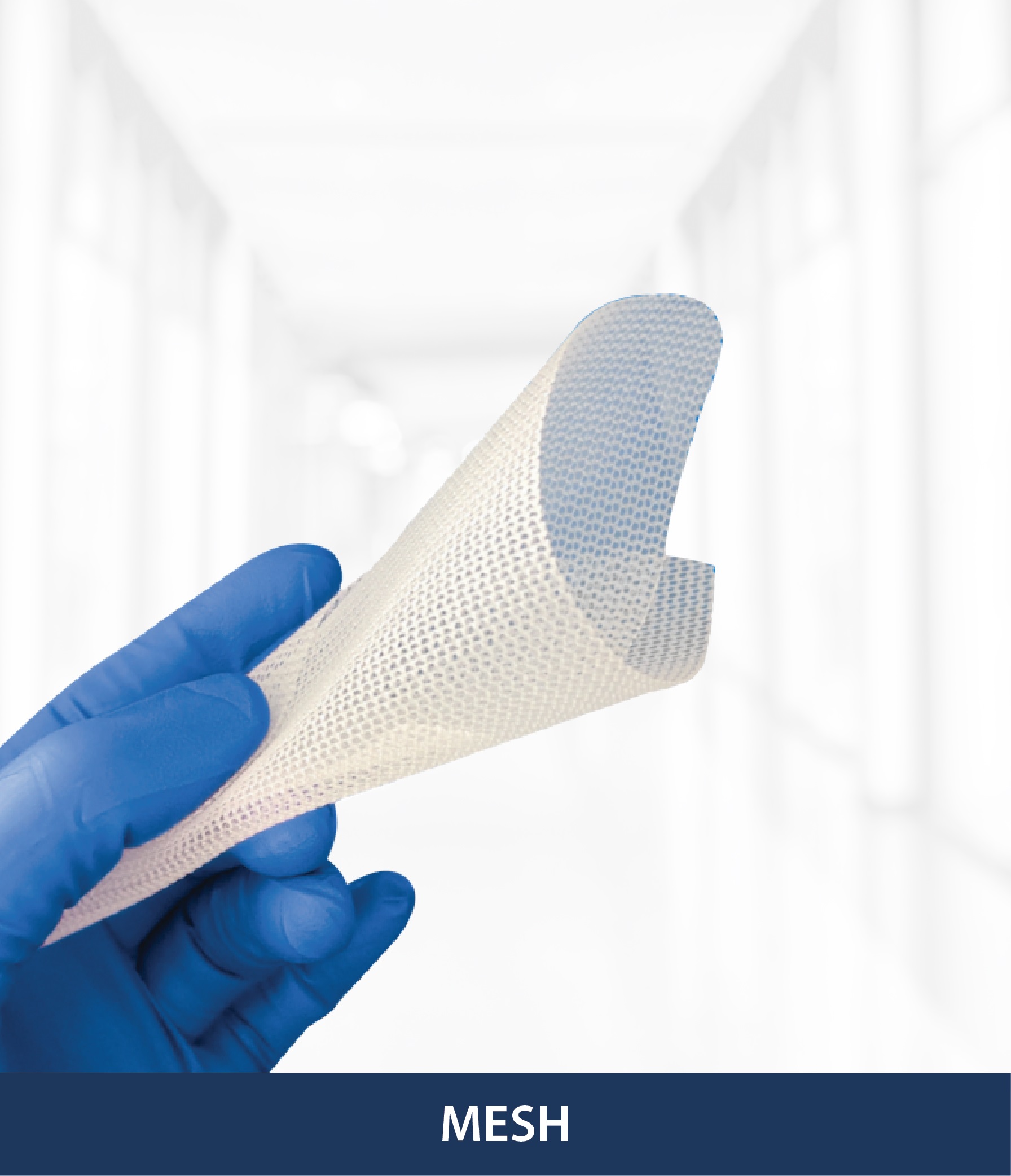
Monofilament polypropylene knitted repair fabric available in sheets and custom pre-cut forms with high burst strength and ideal tissue integration.
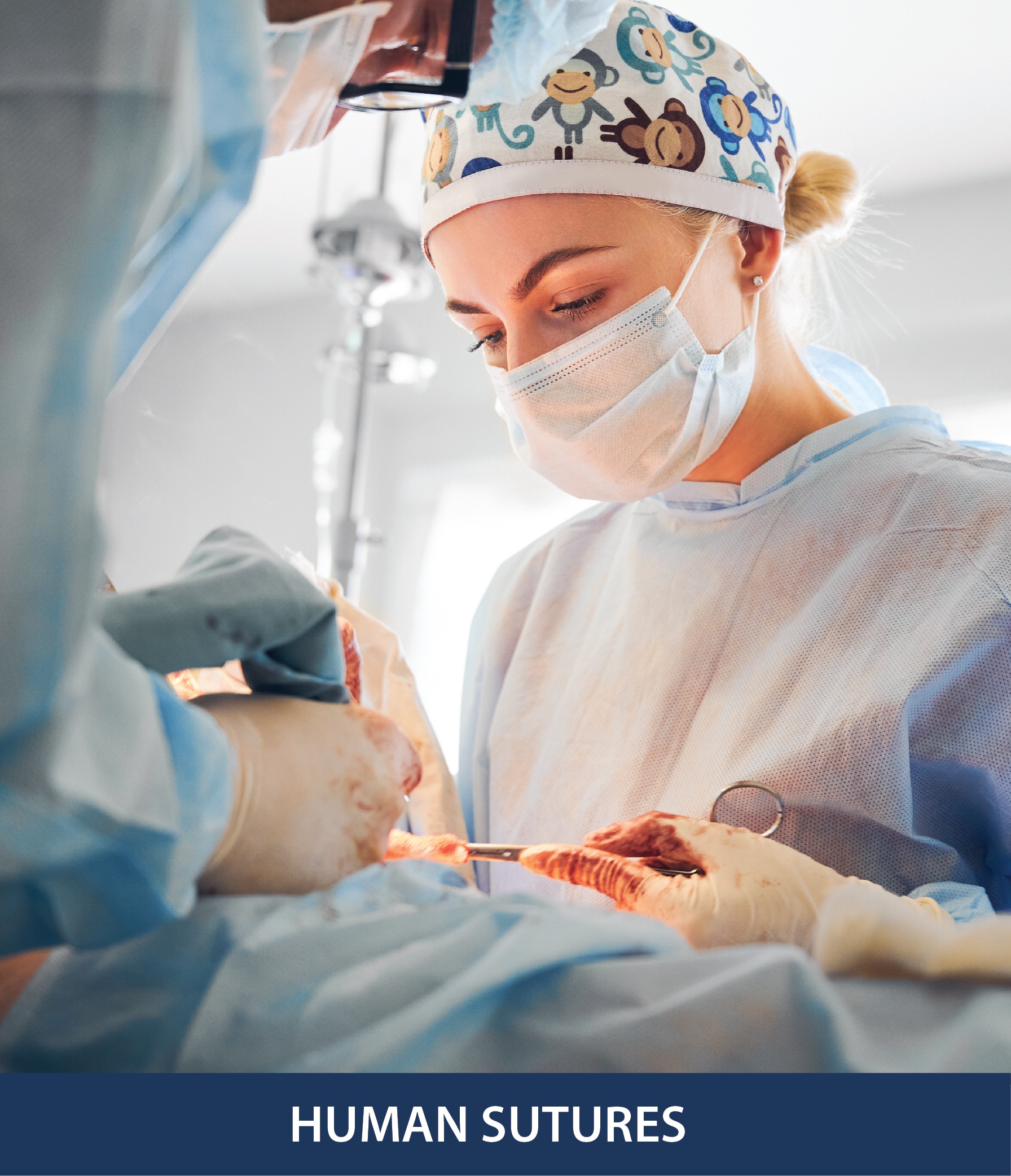
Comprehensive absorbable and non-absorbable surgical thread portfolio engineered to 1.1× USP tensile baseline with premium ribbed needles.
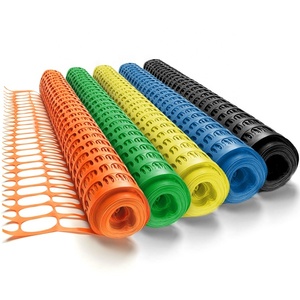
UV-stabilized extruded polymer safety mesh engineered for facility containment, perimeter warning, and emergency infrastructure safety barriers.
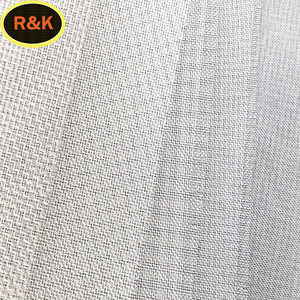
Precision-woven 20 to 100 micron PP and Nylon mesh screens for fluid purification, chemical processing, and pharmaceutical liquid filtration.
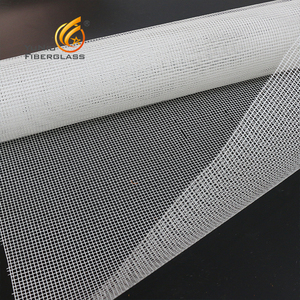
145gsm 6x6mm heavy-duty fire-retardant mesh grid for structural reinforcement, cleanroom ceiling panels, and hospital infrastructure protection.
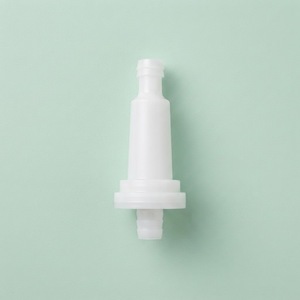
Engineered PA6 polyamide filter mesh elements for high-pressure water treatment, medical device fluid housing, and industrial separation systems.
South Africa represents one of the most sophisticated yet operationally complex healthcare markets on the African continent. Divided between a robust private hospital sector—led by major healthcare networks such as Netcare, Life Healthcare, and Mediclinic—and an expansive public health network managed by the National Department of Health (DoH), the country faces a unique spectrum of surgical volume. From elective orthopedic and cardiothoracic surgeries to high-density emergency trauma cases processed through Level 1 trauma units in Johannesburg, Cape Town, and Durban, the requirement for rapid, bioabsorbable surgical hemostats has reached unprecedented levels.
In surgical intervention, intra-operative bleeding from capillary beds, cancellous bone, and venules often occurs in anatomical regions inaccessible to conventional electrosurgery or manual suture ligation. Left uncontrolled, microvascular oozing prolongs operative times, increases blood transfusion reliance, heightens post-operative infection risks, and extends ICU occupancy. Consequently, South African hospital procurement boards, surgical theater managers, and medical device distributors are increasingly replacing legacy hemostatic agents with plant-derived Micro-porous Polysaccharide Hemospheres (MPH) and Oxidized Regenerated Cellulose (ORC) hemostatic powders.
As a global OEM manufacturer and direct-to-distributor factory partner, our production infrastructure bridges the gap between European regulatory compliance (EU MDR 2017/745, ISO 13485) and the competitive tender pricing demanded by South Africa's public and private health sectors.
Hemostatic powder operates via a dual-action mechanical sieve and biochemical concentration process. Upon spray application onto an actively bleeding wound bed, the biocompatible micro-porous particles act as hyper-hydrophilic molecular sieves. They instantly absorb the liquid component (water) of blood, rapidly concentrating red blood cells, platelets, thrombin, and fibrinogen on the surface of the particles.
This rapid dehydration accelerates the native coagulation cascade without relying on exogenous human or animal thrombin, forming a tenacious, gelled matrix within 60 to 120 seconds that adheres tightly to bleeding parenchyma and vascular tissue.
Safety and tissue inertia are paramount in surgical hemostasis. Our absorbable hemostatic powder formulations undergo complete enzymatic degradation via amylase and macrophage phagocytosis, dissolving harmlessly within 7 to 14 days post-implantation.
Empirical validation benchmarks across our certified wound closure & hemostatic lines
South African trauma centers face severe penetrating wound challenges (gunshot injuries, high-velocity lacerations, hepatic and splenic blunt trauma). Hemostatic powder can be instantly sprayed into deep anatomical voids and irregular lacerations where sutures cannot secure a bite, stopping arterial and venous oozing during emergency damage control laparotomies.
In total joint arthroplasty (TKA/THA), laminectomy, and complex spinal fusion executed in private facilities like Netcare Rosebank or Life Vincent Pallotti, cancellous bone channels continuously release blood. Applying bioabsorbable hemostatic powder or HAEMOWAX™ Seals open bone marrow cavities without interfering with bone graft integration or cement adherence.
Diffuse oozing along synthetic vascular graft suture lines, sternotomy edges, and pericardial membranes presents serious coagulopathy risks during open-heart surgery. Hemostatic powder rapidly seals micro-punctures and vascular anastomoses, minimizing postoperative mediastinal drainage and reducing total blood product transfusion requirements.
Using custom narrow-gauge applicator bellows, South African gynecologists and general surgeons deliver micro-powder through standard 5mm and 10mm trocar channels. This allows targeted hemostasis during laparoscopic cholecystectomy, pelvic adhesiolysis, and endometriosis resection without obscuring endoscopic camera optics.
During difficult Cesarean sections, broad ligament dissection, or emergency hysterectomies across public provincial hospitals, diffuse pelvic capillary oozing can be quickly controlled. The fast bioabsorption minimizes postoperative adhesion formation while ensuring mother and infant safety.
The South African medical device landscape is undergoing major regulatory structural shifts. The South African Health Products Regulatory Authority (SAHPRA) enforces rigorous quality system oversight, requiring all Class B, C, and D medical devices to provide traceable technical dossiers, ISO 13485 certificates, and CE / EU MDR compliance.
Concurrently, public sector procurement favors Broad-Based Black Economic Empowerment (B-BBEE) accredited local medical distributors. For South African enterprises seeking to establish sovereign medical brands without investing tens of millions of Rands in cleanroom manufacturing facilities, our OEM and private-label contract manufacturing provides a turnkey solution.
We supply full technical files, biological safety reports (ISO 10993), stability data, and clinical evaluation reports (CER) required for seamless SAHPRA device licensing.
Customized packaging artwork, localized multilingual IFUs (Instructions for Use), primary foil sealing, and retail carton design under your registered South African brand.
Established freight corridors servicing OR Tambo International Airport (Johannesburg), Cape Town Port, and Durban Harbor with temperature-controlled cold-chain logistics options.
Unisur Lifecare is proudly the second medical device manufacturer in India to secure EU MDR certification across 13 major product families. Our cleanroom facilities operate under strict European regulatory auditing, guaranteeing zero compromise on sterility or material purity.
Every single batch of surgical sutures, bone waxes, and hemostatic materials is engineered to exceed United States Pharmacopeia (USP) minimum requirements by at least 10% in tensile strength and needle-attachment pull force, giving surgeons a vital safety buffer.
Our state-of-the-art facility features controlled-environment braiding, needle-attaching, micro-powder filling, foil sealing, and validated Ethylene Oxide (EO) sterilization lines managed by over 200 trained biomedical engineers and technical specialists.
Yes. Our manufacturing facility operates under an ISO 13485:2016 certified Quality Management System with full CE Marking and EU MDR (Regulation 2017/745) technical documentation. We provide complete dossier support—including Certificate of Free Sale (CFS), stability reports, and biological evaluation files—enabling South African distributors to easily complete SAHPRA medical device licensing.
Our hemostatic powder is sealed in multi-layer moisture-barrier aluminum foil primary pouches. It is validated for storage between 15°C and 30°C, with thermal stability testing confirming product integrity up to 40°C. This eliminates the need for strict cold-chain refrigeration during transit through South African ports and regional warehouses.
While gelatin sponges require manual trimming and compression, micro-porous hemostatic powder can be sprayed into irregular wound contours, deep cavities, and delicate vascular beds instantly. Furthermore, powder degrades rapidly within 7 to 14 days, whereas traditional gelatin or bone wax matrices may persist longer and create foreign body reactions in delicate neural or vascular structures.
Air freight shipments dispatched to OR Tambo International Airport (JNB) or Cape Town International Airport (CPT) typically arrive within 5 to 7 business days from factory release. Bulk ocean container orders routed via Durban Port or Cape Town Harbor take approximately 18 to 24 transit days.
Absolutesly. Our OEM contract manufacturing division handles artwork setup, multi-language label printing (English, Afrikaans, French), custom grammage sizing (1g, 3g, 5g applicator bellows), and specialized tender packaging tailored specifically for South African provincial Department of Health hospital contracts.
Every production lot is released with a comprehensive Batch Certificate of Analysis (CoA) documenting sterility testing results, bacterial endotoxin limits (LAL test), moisture content, needle pull-out strength (for sutures), and bioabsorption verification.
Whether you are a South African hospital procurement director, a regional medical device distributor, or an established healthcare brand seeking high-margin OEM manufacturing, our technical team is ready to discuss your market specifications.