Precision-manufactured medical sutures, industrial isolation meshes, and veterinary containment solutions engineered for high-performance animal healthcare applications across Pakistan.
The veterinary healthcare landscape in Pakistan is undergoing a rapid modernization phase. Driven by the expansion of commercial dairy farming in Punjab and Sindh, equine breeding programs in Khyber Pakhtunkhwa, and a surge in companion animal surgical clinics across major metropolitan areas such as Lahore, Karachi, Rawalpindi, and Islamabad, the demand for high-grade, reliable, and cost-effective veterinary surgical sutures has reached an all-time high.
Historically, Pakistani veterinary buyers relied on low-tensile non-certified sutures or expensive European brands that severely strained operational budgets. Today, establishing direct OEM and wholesale supply channels with leading Chinese medical suture manufacturers provides Pakistani veterinary distributors, government tenders, and private livestock enterprises with an unbeatable strategic advantage: international EU MDR and ISO 13485 quality standards combined with direct factory pricing.
Veterinary surgeons require a versatile range of absorbable and non-absorbable materials tailored to specific anatomical structures, species-specific physiological conditions, and wound healing rates.
| Material Name | Type & Composition | Absorption / Retention Rate | USP Size Range | Primary Veterinary Application |
|---|---|---|---|---|
| PGA (Polyglycolic Acid) | Synthetic Absorbable Braided | 50% tensile strength at 18–21 days; complete absorption in 60–90 days | USP 6/0 to 2 | Rumenotomy closure, soft tissue ligation, muscle layers in bovine & equine surgery. |
| PDS II (Polydioxanone) | Synthetic Absorbable Monofilament | 70% tensile strength at 14 days, 50% at 28 days; absorption in 180–210 days | USP 4/0 to 2 | Abdominal wall fascia closure in large animals, tendon repairs, orthopedic surgery. |
| PGCL (Poliglecaprone-25) | Synthetic Absorbable Monofilament | 50-60% strength at 7 days; complete absorption in 90–120 days | USP 6/0 to 1 | Subcuticular cosmetic skin closure in small animals, bladder & gastrointestinal surgery. |
| Chromic Catgut | Natural Absorbable Organic Filament | Tensile strength retained for 10–14 days; absorbed by enzymatic digestion | USP 4/0 to 3# | Uterine torsion, bovine C-section, subcutaneous closure in livestock. |
| Polypropylene (UNILENE) | Non-Absorbable Monofilament | Permanent; zero strength loss over time | USP 8/0 to 2 | Hernia mesh fixation, cardiovascular procedures, skin closure, tendon repair. |
| Nylon / Polyamide (UNILON) | Non-Absorbable Monofilament | Gradual hydrolysis (approx. 15-20% loss per year) | USP 6/0 to 2 | External skin suturing, corneal surgery, ophthalmic procedures in pets. |
| Braided Silk | Non-Absorbable Natural Protein | Loses tensile strength over 1 year; encapsulated by tissue | USP 5/0 to 2 | General ligation, cardiovascular procedures, dental suturing in small animals. |
One of the most critical parameters in veterinary suture manufacturing is the needle-pull attachment strength and linear tensile capability. Animals, unlike human patients, cannot be instructed to remain static during post-operative recovery. Sudden movement, jumping, rubbing against pen fences, or abdominal pressure during digestion places immense mechanical stress on suture lines.
Leading Chinese OEM manufacturers supply veterinary sutures engineered to exceed United States Pharmacopeia (USP) and European Pharmacopoeia (EP) minimal tensile strength requirements by at least 10% (1.1× USP Standard). Furthermore, needles are cold-swaged on drilled-end stainless steel wires with precision ribbing along the needle body to prevent slipping in the needle holder during heavy tissue penetration in cattle or camels.
Sourcing surgical sutures requires a clear understanding of the diverse veterinary surgical procedures conducted daily across urban and rural Pakistan.
Rumenotomy for hardware disease, Caesarean section, and uterine torsion repair in Nili-Ravi buffaloes and Sahiwal cattle require USP 2# and 3# Chromic Catgut or PGA braided sutures with heavy-duty 48mm or 50mm reverse cutting needles.
High-tensile PDS (Polydioxanone monofilament) USP 1 and USP 2 sutures are indispensable for tendon reattachment and joint capsule closure in working horses, mules, and camels, resisting tissue drag while maintaining support for 60+ days.
Urban veterinary clinics handling canine and feline spays (ovariohysterectomy), cystotomies, and cosmetic skin closures demand PGCL (Poliglecaprone-25) USP 3/0, 4/0 and Nylon monofilament sutures mounted on fine 3/8 circle taper point needles.
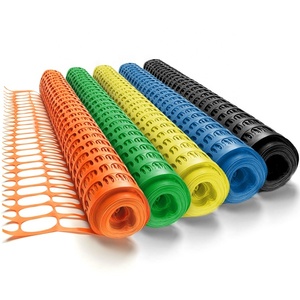
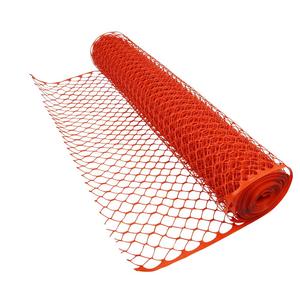
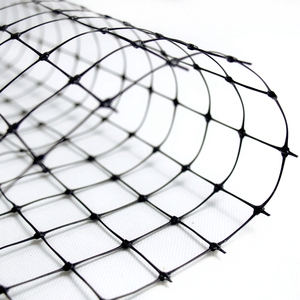
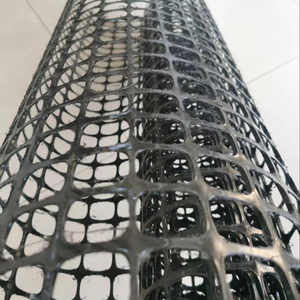
Along with specialty microsutures for avian surgical interventions, commercial poultry operations across Faisalabad and Rawalpindi utilize high-density extruded PP barrier netting to isolate broiler and layer flocks from wild birds and pathogens.
The China-Pakistan Economic Corridor (CPEC) has transformed land and sea trade routes between Chinese manufacturing hubs (such as Jiangsu, Zhejiang, and Shandong) and Pakistani commercial entry points. Reduced transit times via the Khunjerab Pass overland route and sea routes to Karachi Port and Port Qasim allow Pakistani veterinary distributors to manage leaner inventories with guaranteed shipment lead times of 12 to 18 days.
Importing surgical devices into Pakistan requires strict compliance with DRAP regulations under the Medical Devices Rules. Chinese suture factories holding international accreditation—specifically ISO 13485:2016 Quality Management Systems, CE Certificates, and Free Sales Certificates (FSC)—enable Pakistani importers to secure Form-7 and Form-8 import licenses smoothly without regulatory bottlenecks.
While traditional Chromic and Plain Catgut retain a loyal market share in low-cost field surgeries due to price sensitivity, modern Pakistani veterinary surgeons are increasingly transitioning to synthetic absorbable sutures like PGA and PDS. The key drivers include predictable hydrolytic absorption (unaffected by tissue inflammation), superior tensile retention, and complete absence of tissue reactivity in valuable livestock.
Sourcing directly from established Chinese manufacturing facilities offers unparalleled advantages for Pakistani healthcare groups, government tender bidders, and private brand owners:
Manufactured inside Class 100,000 (ISO Class 8) cleanrooms equipped with automated winding, needle swaging, and validated Ethylene Oxide (EO) sterilization chambers ensuring SAL 10-6 sterility.
Complete custom brand customization including box artwork design, aluminum foil sachet printing, multi-language instructions (English/Urdu), and tailored suture lengths (45cm to 150cm).
Direct factory pricing eliminates intermediary markups, yielding margins of 40% to 65% for local Pakistani distributors compared to sourcing Western brands.
Here are detailed technical and commercial answers to common questions asked by Pakistani medical importers and veterinary procurement teams.