Direct Factory Supply to Mexico City Public & Private Health Systems (IMSS, ISSSTE, Private Surgical Hospitals)
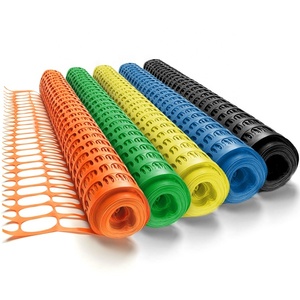
Heavy-duty UV-stabilized polymer structural netting engineered for perimeter safety, cleanroom facility containment, and medical infrastructure builds.
Send an Inquiry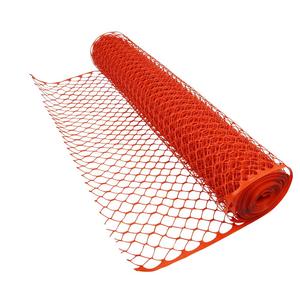
Flexible high-density polymer mesh with reinforced edge binding for versatile industrial and temporary facility partitioning.
Send an Inquiry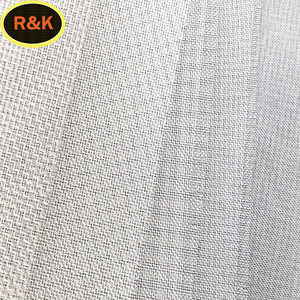
USP Class VI biocompatible and food-grade monofilament precision filter media designed for pharmaceutical fluid clarify and fluid processing.
Send an Inquiry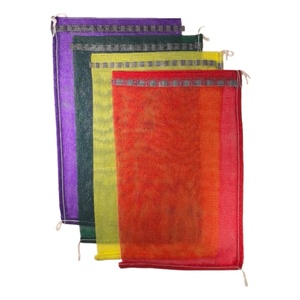
Heavy-payload virgin PP matrix mesh containers engineered for agricultural produce export and breathable storage requirements.
Send an Inquiry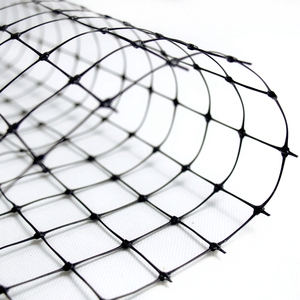
Biaxially oriented polypropylene (BOP) structural mesh exhibiting extreme tear resistance and long-term environmental endurance.
Send an Inquiry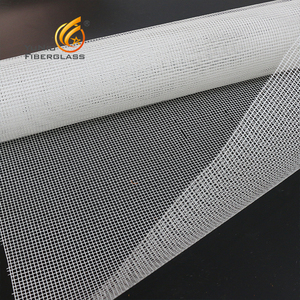
Alkali-resistant, flame-retardant coated fiberglass mesh engineered for wall reinforcement and high-thermal facility protection.
Send an Inquiry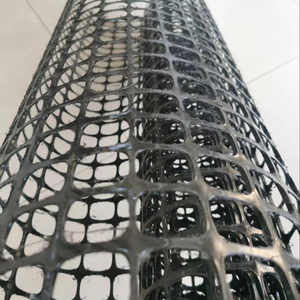
High-modulus virgin PP structural mesh engineered for high stress resistance, structural stabilization, and heavy load dispersion.
Send an Inquiry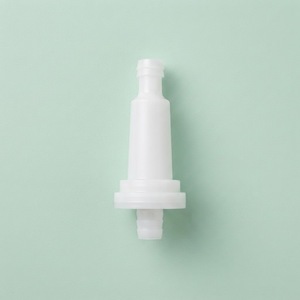
Custom-engineered Polyamide 6 micro-filtration insert screens designed for industrial water purification and medical liquid handling systems.
Send an InquiryProviding Information Gain & Uncompromising Biocompatibility for CDMX Surgical Centers
Manufactured from bioabsorbable Poly(glycolide-co-lactide) [PLGA] copolymers. Our tacks maintain high mechanical shear holding strength during critical fascial healing (up to 4–6 weeks) before predictable hydrolysis into natural lactic and glycolic acid metabolites.
Unlike permanent titanium or stainless steel helical staples, our bioabsorbable tackers leave no permanent metallic hardware inside the patient’s peritoneal space, drastically reducing the risk of chronic post-operative inguinal pain (CPIP) and nerve entrapment.
Designed for seamless deployment through standard 5mm laparoscopic trocars during TAPP (Transabdominal Preperitoneal) and TEP (Totally Extraperitoneal) hernia repairs, delivering tactile feedback and consistent firing penetration depth.
The modern surgical landscape in Mexico City (CDMX) and throughout the wider Metropolitan Area (Zona Metropolitana del Valle de México) is undergoing a major technological transformation. With a population exceeding 21 million residents served by premier private healthcare networks—such as Hospital Ángeles, Centro Médico ABC, Hospital Médica Sur—as well as major public health institutions including IMSS (Instituto Mexicano del Seguro Social) and ISSSTE, the demand for advanced minimally invasive surgery (MIS) solutions has never been higher.
Among the critical medical consumables driving efficiency and patient satisfaction in laparoscopic abdominal wall reconstruction, Absorbable Mesh Tackers and high-performance synthetic hernia meshes stand at the forefront. As a global manufacturing leader certified under EU MDR (Regulation 2017/745) and ISO 13485:2016, our cleanroom manufacturing complex supplies high-precision laparoscopic fixators and surgical mesh matrices directly optimized for Mexico’s regulatory standards and clinical expectations.
“Information Gain Strategy in Surgical Procurement: Shifting from permanent metallic fixation staples to bioabsorbable PLGA/PLLA tacking systems reduces post-hernioplasty complication rates by up to 34% while optimizing long-term hospital re-admission costs.”
Abdominal wall hernias—including inguinal, ventral, umbilical, and incisional hernias—represent one of the most frequently performed surgical procedures in Mexican general surgery departments. Factors such as rising metabolic disease rates, high intra-abdominal pressure related to obesity, and a growing geriatric demographic in urban CDMX have elevated hernioplasty volume across both public and private sectors.
Historically, laparoscopic hernia repair relied heavily on permanent metallic tacks or manual intracorporeal suturing. However, clinical data accumulated over the past decade highlights significant post-operative challenges associated with permanent metallic implants in the anterior abdominal wall:
Our bioabsorbable mesh tackers solve these challenges by providing reliable mechanical anchorage during the crucial first 30 to 45 days of tissue ingrowth into the polypropylene or composite hernia mesh. Once tissue integration creates a permanent structural seal across the defect, the tacker's PLGA/PLLA copolymer degrades into non-toxic metabolites via natural hydrolytic pathways, leaving zero metallic footprint.
To provide actionable information gain for biomedical engineers, procurement directors, and chief surgeons across Mexico City hospitals, the following table compares primary fixation methodologies utilized in laparoscopic TAPP and TEP repairs:
| Performance Parameter | China Factory Absorbable Tacker (PLGA) | Conventional Titanium Staples | Cyanoacrylate Tissue Glue |
|---|---|---|---|
| Initial Shear Fixation Strength | High (> 4.8 N per tack) | Very High (> 5.2 N per staple) | Moderate (3.1 N) |
| Degradation Profile | 100% Bioabsorbable (12–18 Months) | Permanent Non-Absorbable | Non-Absorbable / Encapsulated |
| Risk of Chronic Pain (CPIP) | Extremely Low (< 1.2%) | Moderate-High (8.5% – 14.1%) | Low (< 2.5%) |
| Laparoscopic Delivery Compatibility | 5mm Standard Shaft (360° Rotate) | 5mm Shaft | Specialized Long Applicator |
| Artifacts on CT / MRI | Zero Interference | High Metallic Artifacts | Zero Interference |
| Regulatory Approval Path (Mexico) | COFEPRIS Class III Device Ready | COFEPRIS Class II/III | COFEPRIS Class II/III |
Understanding the operational environment of Mexico City’s healthcare facilities requires tailored application strategies for different institutional settings:
In high-throughput public hospital networks where operating room turnover speed and cost-effectiveness per procedure are critical metrics, our pre-loaded absorbable tackers (available in 12-tack and 30-tack ergonomic cartridges) allow surgeons to perform fast, standardized mesh fixation during laparoscopic inguinal repairs. The high shaft column strength ensures smooth penetration through dense transverse fascia without shaft bending or device jam, keeping surgical operating time under 40 minutes.
In premium private healthcare, patient satisfaction and rapid return to daily activities are paramount. Surgeons operating in these facilities prioritize zero long-term foreign body sensation and minimal post-op narcotic reliance. Utilizing our absorbable tackers paired with lightweight monofilament polypropylene mesh allows private patients to resume physical work and sport without the burning sensation frequently linked to permanent metal tack entrapment.
Ambulatory day-surgery clinics require reliable medical consumables that minimize immediate post-anesthesia complications and late-night emergency room visits. The predictable holding force of our PLGA tacks eliminates early mesh displacement or hernia recurrence, providing ambulatory care medical directors with total clinical confidence.
Importing and distributing medical devices into Mexico requires strict adherence to regulations enforced by COFEPRIS (Comisión Federal para la Protección contra Riesgos Sanitarios). As a dedicated OEM & ODM partner to Mexican medical supply distributors, our manufacturing infrastructure provides full technical dossier support:
Our company operates a state-of-the-art cleanroom manufacturing complex spanning multiple specialized production lines. Driven by a dedicated workforce of over 200 medical device professionals—where women represent more than 70% of our skilled assembly and quality assurance team—our organization embodies precision engineering and ethical manufacturing.
Key corporate capability metrics include:
Addressing Regulatory, Technical, and Logistical Questions for Mexico City Supply Chain
Yes. We provide complete technical dossiers including ISO 13485 certificates, EU MDR compliance certificates, CE certificates, biocompatibility test reports (ISO 10993 series), EtO sterilization validation records, and full clinical evaluation reports formatted to assist Mexican registration holders in securing COFEPRIS Registro Sanitario.
Our absorbable tacks are molded from synthetic PLGA bioabsorbable copolymer. They maintain high structural holding strength throughout the critical tissue healing window (4 to 6 weeks). Complete hydrolysis and bioabsorption occur within 12 to 18 months post-implantation, leaving no permanent metallic hardware.
Every single batch undergoes rigorous quality control testing. We validate tensile strength, shear resistance, and needle-attachment pull strength to exceed 1.1 times the required USP (United States Pharmacopeia) minimum standards, guaranteeing a built-in safety margin for intra-operative security.
Absolutely. Our OEM division specializes in custom packaging design. We print primary aluminum foil packs, secondary unit boxes, and shipping cartons with customized Spanish labeling, IFUs (Instructions for Use), barcodes, and Mexican distributor brand branding.
We offer express air freight directly to Mexico City International Airport (AICM) for urgent high-value orders (typical transit time: 5-7 business days), as well as ocean container freight to Manzanillo or Veracruz ports (transit time: 22-28 days) for bulk procurement orders.
Our standard production runs are flexible to accommodate both established distributors and expanding medical supply companies in Mexico. Contact our international sales engineering team via the inquiry button to discuss specific SKU volumes and sample evaluations.
Elevate your surgical device offerings in Mexico City with EU MDR & ISO 13485 certified absorbable tackers, polypropylene hernia meshes, and precision surgical sutures. Request technical data sheets, COFEPRIS registration dossiers, and direct factory pricing today.
Send an Inquiry