Discover our direct factory-certified range engineered for European medical centers, surgical suites, and specialized industrial containment. Each item is produced under validated ISO cleanroom protocols with complete technical dossier compliance.
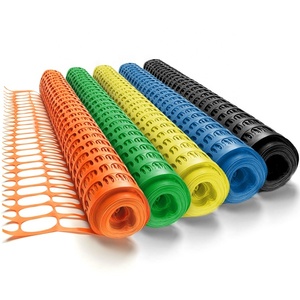
High-tensile extruded polymer barrier netting designed for hospital perimeter control, surgical site boundary management, and civil safety infrastructure.
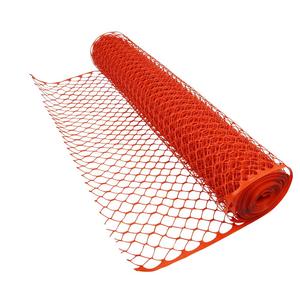
UV-stabilized flexible polypropylene protective mesh built for rapid deployment across medical facilities, cleanroom zones, and secure logistics yards.
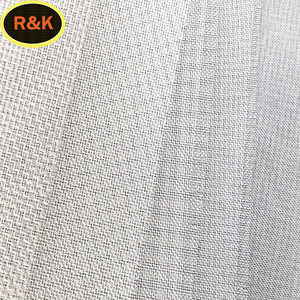
Food-grade & medical-grade precision filtration screen (20 to 100 microns) tailored for pharmaceutical liquid purification and lab fluid separation.
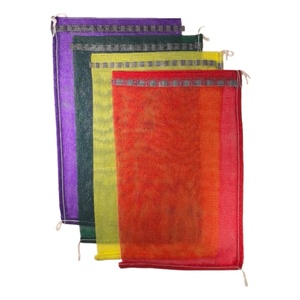
100% virgin PP monofilament woven mesh bags offering high burst strength and air circulation for bulk industrial and agricultural supply chains.
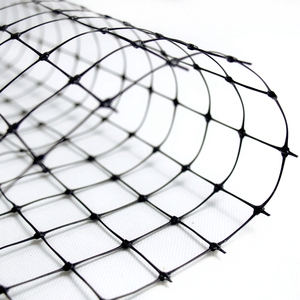
Biaxially stretched high-strength polymer mesh engineered for structural reinforcement, environmental protection, and farm isolation fencing.
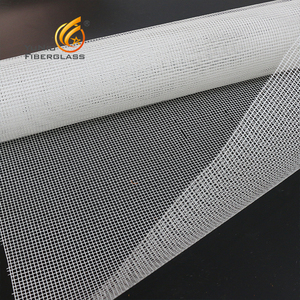
Flame-retardant structural grid mesh for architectural wall cladding, cleanroom insulation backing, and severe thermal hazard protection.
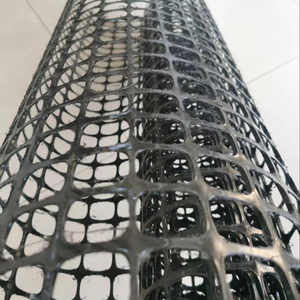
Weather-resistant black polypropylene biaxial mesh optimized for ground stabilization, heavy enclosure structural integrity, and long-life exposure.
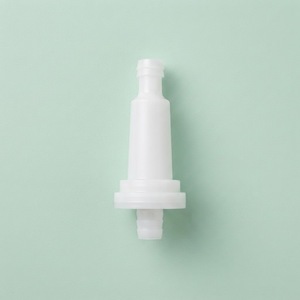
Factory-direct polyamide 6 molded filtration mesh engineered for high-pressure medical water treatment and industrial micro-fluid filtering systems.
The healthcare system of Berlin, led by internationally renowned hospital networks such as Charité – Universitätsmedizin Berlin, the Vivantes Network for Health, and private hospital syndicates like Helios and DRK Kliniken Berlin, represents one of the most stringent and technologically advanced medical device markets in Europe. Operating within the strict framework of the European Union Medical Device Regulation (EU MDR 2017/745) and overseen by Germany's BfArM (Federal Institute for Drugs and Medical Devices), procurement officers and surgical department leads in Berlin prioritize four core parameters when qualifying foreign factories and exporters: bio-compatibility, predictable absorption kinetics, absolute sterility assurance, and total technical dossier transparency.
Modern bio-absorbable hemostats utilized in Berlin surgical centers fall into distinct chemical and physical categories, each engineered for specific tissue environments and surgical disciplines:
Plant-derived matrix (such as UNISTAT™). Upon contact with blood, ORC swells into a dark brownish-black gelatinous mass that acts as an artificial clot matrix. It maintains a low pH environment (~2.0–3.0), bestowing inherent in-vitro bactericidal properties against MRSA, VRE, and Pseudomonas aeruginosa.
Formulated from refined beeswax and isopropyl palmitate. Provides immediate mechanical hemostasis in osseous channels by tamponading cancellous bone pores. Essential in thoracic sternotomy, orthopedic total joint revisions, and neurosurgical cranial procedures.
Synthetic bio-absorbable polymers including Polyglycolic Acid (PGA - UNIGLYDE), Polyglactin 910 (UNISYNTH), and Polydioxanone (PDS). These materials break down predictably via non-enzymatic hydrolysis, eliminating tissue reaction variations caused by cellular enzymatic fluctuations.
When evaluating factory exporters for Berlin hospital supply contracts, procurement committees conduct detailed matrix analyses comparing material origin, risk profile, and total operational cost efficiency. Below is the technical benchmark validated by international standards:
| Parameter / Feature | Oxidized Regenerated Cellulose (ORC) | Thrombin / Bovine Gelatin | Collagen Sponge Matrix | Surgical Bone Wax (Beeswax) |
|---|---|---|---|---|
| Raw Material Source | Plant Alpha-Cellulose (100% Synthetic/Plant) | Porcine / Bovine Tissue derivatives | Equine or Bovine Tendon | Purified Pharmaceutical Beeswax |
| BSE/TSE Vector Risk | Zero Risk (Plant-based) | Potential Viral/Prion Risk | Requires Viral Inactivation Certs | Inert / Zero Pathogen Risk |
| Mechanism of Action | Gel matrix clot formation + Low pH agglutination | Enzymatic conversion of Fibrinogen | Platelet aggregation surface activation | Mechanical pore tamponade |
| Hemostasis Speed | 2 – 4 Minutes | 3 – 5 Minutes | 2 – 5 Minutes | Immediate (Mechanical) |
| In-Vivo Resorption Time | 7 – 14 Days (Fully absorbed) | 4 – 6 Weeks | 4 – 8 Weeks | Non-absorbable (Permanent hold) |
| Antimicrobial Activity | Inherent bactericidal effect (Low pH) | None | None | None |
| EU MDR 2017/745 Class | Class III Active Medical Device | Class III Animal Tissue Device | Class III Animal Tissue Device | Class IIb Medical Device |
Berlin’s healthcare sector is undergoing a structural shift driven by sustainability, cost-containment, and supply chain sovereignty. Factories and OEM exporters seeking to establish a lasting footprint in Berlin must align with three primary local trends:
A. Transition to Non-Animal Biopolymers: Due to strict EU environmental guidelines and patient safety preferences, German clinical guidelines increasingly favor plant-origin absorbable materials (such as ORC) over animal-derived collagen or thrombin sponges. ORC completely avoids the risks of Transmissible Spongiform Encephalopathy (TSE) and simplifies hospital waste disposal under Berlin's municipal eco-regulations.
B. Consolidation of Wound Closure Procurement: Rather than issuing fragmented purchase orders across dozens of niche vendors, major Berlin purchasing syndicates (GPOs) prefer partnering with direct manufacturers capable of supplying a complete suite: absorbable hemostats, synthetic sutures (PGA, PGLA, PDS, Poliglecaprone-25), non-absorbable sutures (Polypropylene, Nylon, Polyester, UHMWPE), hernia meshes, and surgical bone wax under a unified Quality Management System (QMS).
C. Demand for Dual-Language Packaging & Technical Dossier Speed: German medical regulations dictate that all primary packs, IFUs (Instructions for Use), and secondary cartons display bilingual text (German and English) along with clear UDI (Unique Device Identification) barcodes compliant with EUDAMED database tracking.
As the flagship manufacturing line of Unisur Lifecare Pvt. Ltd. (an LVS Group company) based in Bengaluru, India, Universal Sutures stands out as a world-class OEM manufacturer and direct exporter serving surgical distributors and private label brand owners throughout Germany and the wider European Union.
Universal Sutures is proudly the second Indian medical device company to earn full EU MDR certification, covering 13 distinct product families. Our European technical files are fully audited and CE-marked.
Every batch of sutures, needles, and hemostatic materials is engineered to exceed United States Pharmacopeia (USP) tensile strength and needle-attachment pull requirements by at least 10%, offering an extra margin of surgical safety.
Operated by 200+ highly trained technicians, with over 70% of the workforce comprised of skilled women. Manufacturing takes place inside ISO Class 7 and Class 8 cleanrooms under strict ethical workplace standards.
From artwork generation and custom needle selection to validated Ethylene Oxide (EO) sterilization cycles, we provide turnkey OEM solutions for European surgical distributors building their own brand equity.
Our UNISTAT™ Oxidized Regenerated Cellulose and wound closure portfolio operate under a validated ISO 13485:2016 Quality Management System with full CE Marking and EU MDR (Regulation 2017/745) certificates. Technical files include full biological evaluation reports (ISO 10993), viral safety validations, stability data, and clinical evaluation reports ready for immediate submission to German hospital procurement boards and notified bodies.
Standard production cycles for OEM orders range between 3 to 5 weeks from artwork approval. Air freight shipments to Berlin Brandenburg Airport (BER) or sea freight container transit to Hamburg/Bremerhaven with customs clearance into Berlin typically take 5 to 12 business days, supported by complete Certificate of Analysis (CoA) documentation for every lot.
Yes. Our in-house regulatory and graphic design teams configure primary foil packaging, inner cartons, and master shipping cases with bilingual German/English text, customized GTIN/UDI barcodes, symbol standards (ISO 15223-1), and your distributor details as the authorized EU representative or brand owner.
UNISTAT™ ORC utilizes identical oxidized regenerated alpha-cellulose chemistry, delivering equivalent hemostatic speed (2–4 minutes), complete in-vivo resorption within 7–14 days, and low pH antibacterial action. Comparative laboratory testing proves equivalent tensile integrity and handling flexibility at a significantly optimized cost per unit for hospital DRG budgets.
Every production batch undergoes terminal Ethylene Oxide (EO) sterilization subjected to biological indicator (Bacillus atrophaeus) challenge testing. Finished goods are released only after passing mandatory sterility tests (ISO 11737-2), Bacterial Endotoxin Testing (BET / LAL test achieving <20 EU/device limit), and physical needle pull-strength tests.
Absolutely. We provide sterile sample packs of our absorbable hemostats, surgical bone wax, polypropylene mesh, and suture range to qualified medical distributors, hospital purchasing committees, and OEM partners across Berlin and Germany upon request.
Expand your medical device portfolio in Berlin with high-margin, EU MDR certified hemostatic matrices, surgical sutures, and specialized mesh products direct from our ISO 13485 cleanroom factory.