Engineered high-density polypropylene, nylon, and specialty technical meshes manufactured for rigorous surgical, agricultural, and industrial structural applications.
An authoritative technical analysis of polymer selection, filament extrusion, knitted structures, and clinical biocompatibility standards.
Modern hernia repair and structural reinforcement rely heavily on non-absorbable monofilament polypropylene (PP), ultra-high-molecular-weight polyethylene (UHMWPE), and polyglycolic acid (PGA) composites. The primary operational objective in surgical mesh design is maintaining high initial tensile load capability while minimizing overall foreign body mass. High-density monofilament polypropylene features exceptional hydrophobic inertia, resisting enzymatic degradation and bacterial colonization across long-term implantation lifespans.
Pore architecture directly dictates inflammatory response and fibroblast infiltration. Clinical research proves that mesh designs with pore dimensions exceeding 75 microns permit optimal macrophage entry, capillary formation, and collagen deposition without inducing dense scar tissue bridging (encapsulation). Our advanced warp-knitted macroporous meshes combine low areal density (GSM) with multi-directional burst resistance exceeding 1.1× USP standard minimums.
Technical parameters comparing surgical polypropylene hernia mesh against high-performance industrial polymer meshes.
| Mesh Type / Grade | Polymer Base | Pore Size / Density | Tensile Strength | Primary Target Application | Sterilization Method |
|---|---|---|---|---|---|
| Surgical Polypropylene Mesh | 100% Virgin Monofilament PP | 1.2 mm - 2.5 mm (Macroporous) | > 16 N/cm (Burst > 180 kPa) | Inguinal & Ventral Hernia Repair | Ethylene Oxide (EO) Validated |
| Composite Resorbable Mesh | PP + PGA / PLGA Fibers | Controlled Micro/Macro Gradient | Dual Phase Burst Yield | Laparoscopic TAPP/TEP Procedures | Gamma Irradiation / EO |
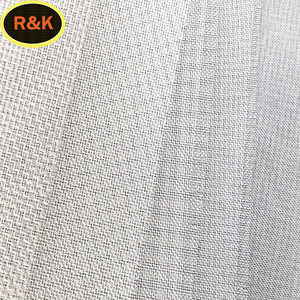
| High-Micron Filtration Mesh | PA6 Nylon / PP Polypropylene | 20 - 100 Micron (Precision Weave) | High Dynamic Shear Resistance | Fluid Filtration & Micro-Separation | Autoclave / Industrial Wash |
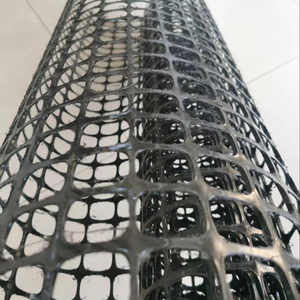
| Biaxial Structural Geogrid | High-Density Polyethylene / PP | 20 mm × 20 mm Grid Windows | Biaxial > 20 kN/m Yield Strength | Earthwork & Agriculture Barrier | UV-Stabilized Weathering |
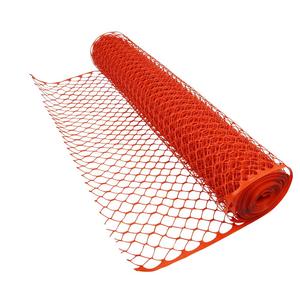
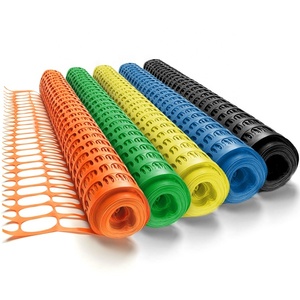
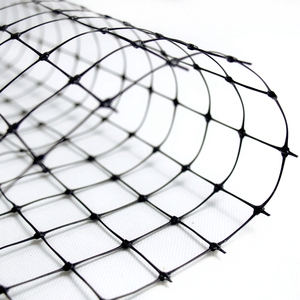
| Heavy Duty Safety Netting | Extruded High-Density PP/PE | 6 mm × 6 mm - 100 GSM | High Impact Resistance | Construction & Hazard Containment | Atmospheric Resistant |
Strategic insights for medical device buyers, hospital procurement officers, and international distributors.
Global surgical trends are shifting from heavyweight rigid polypropylene meshes (>80 g/m²) to ultra-lightweight (<35 g/m²) and composite partially absorbable structures. Combining synthetic permanent monofilaments with fast-resorbing PLGA or PGA fibers minimizes foreign material persistence, drastically reducing chronic post-operative pain and stiffness.
The rigorous implementation of EU MDR (Regulation 2017/745) has forced non-compliant manufacturers out of European and international markets. Procurement officers are consolidating order volumes with certified tier-1 manufacturers who maintain complete clinical evaluation reports (CER), active post-market surveillance (PMS), and validated cleanroom manufacturing protocols.
Brand owners and regional hospital distributors are bypassing third-party intermediaries to establish direct OEM partnerships with high-volume producers. Demand is rising for customized pre-cut shapes (3D keyhole, plug & patch, contoured anatomical designs) shipped in retail-ready, sterile primary foil packaging with multi-language regulatory labeling.
Benchmarking manufacturing excellence, regulatory authority, and social responsibility from Bengaluru, India.
Operating as the flagship medical device enterprise under the LVS Group umbrella, Unisur Lifecare Pvt. Ltd. (Universal Sutures) stands as one of the world's most advanced cleanroom manufacturing complexes for surgical wound closure and repair devices. Located in Bengaluru, India, our state-of-the-art facility integrates extrusion, precision braiding, laser needling, ultrasonic mesh shaping, primary aluminum foil sealing, and ethylene oxide (EO) terminal sterilization under an ISO 13485:2016 quality management system.
We take pride in being the second Indian medical device manufacturer to earn prestigious EU MDR (Regulation 2017/745) certification, covering 13 distinct product families. Every single lot of hernia mesh and surgical suture is released only after rigorous quality testing, achieving pull tension strength and needle attachment security consistently measured at 1.1× above standard USP minimum requirements.
Furthermore, our organizational culture empowers a workforce comprised of over 70% skilled female technicians and engineers, fostering operational discipline, ethical manufacturing, and social sustainability.

“We do not simply ship medical devices. We transfer process discipline, documented regulatory confidence, and batch-to-batch reliability that international distributors can confidently build their brand upon.”
In-depth technical answers addressing global buyer queries regarding regulatory compliance, manufacturing specs, OEM services, and logistics.
Our manufacturing complex in Bengaluru operates under full ISO 13485:2016 certification and ISO 9001 quality management systems. Unisur Lifecare (Universal Sutures) is certified under European Union MDR (Regulation 2017/745) and holds official CE mark certification across 13 core medical device families. Technical documentation dossiers, Certificates of Free Sale (CFS), and batch Certificate of Analysis (CoA) are provided with every export delivery to streamline local drug authority registrations.
We supply surgical polypropylene mesh in standard rectangular sheets (e.g., 6 cm × 11 cm, 7.5 cm × 15 cm, 15 cm × 15 cm, 30 cm × 30 cm) as well as bulk continuous rolls up to 32 cm in width by 25 meters in length. Density options range from Heavyweight (~80 g/m²) and Standard (~60 g/m²) down to Lightweight (~35 g/m²). Pore sizes are engineered between 1.0 mm to 2.5 mm to guarantee optimal tissue ingrowth and minimal shrinkage.
Yes, complete OEM and private-label contract manufacturing is a core business division. We provide turnkey services including custom mesh die-cutting (pre-shaped anatomical plugs, keyhole shapes, sling mesh), primary sterile peel-pouch packaging, custom artwork and box designs, multi-language instruction for use (IFU) inserts, and complete CE/EU MDR registration dossier support for brand owners worldwide.
All finished sterile products undergo 100% validated Ethylene Oxide (EO) terminal sterilization cycles compliant with ISO 11135 standards. Primary packaging utilizes high-barrier Tyvek® to medical-grade peelable foil pouches, creating a validated sterile barrier with a minimum shelf life of 5 years. Each production batch is subjected to strict sterility testing and endotoxin (LAL) testing before final warehouse release.
For standard Universal Sutures branded products, standard packaging MOQs start as low as 100 boxes. For custom OEM private label orders, MOQs depend on specific foil size and box printing configurations. Standard manufacturing lead times range from 2 to 4 weeks depending on batch volume, with express air cargo and sea freight logistics options available worldwide.
Connect with our technical engineering and international export sales team today to request samples, technical data sheets (TDS), or a competitive commercial quotation.