Directly manufactured under ISO 13485 & Class 100,000 Cleanroom environments. Select a high-tenacity polyester, polypropylene, or polyamide product line for direct OEM quotation.
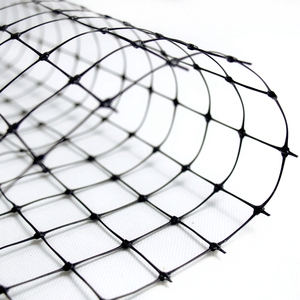
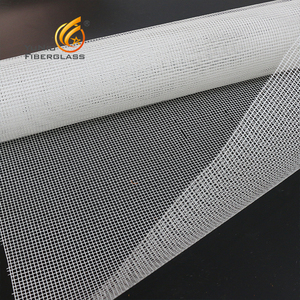
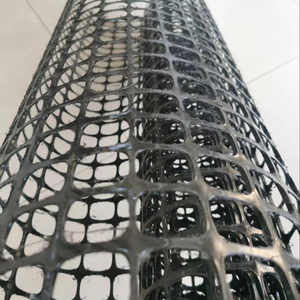
In the field of modern surgical wound closure and cardiovascular reconstruction, non-absorbable synthetic sutures manufactured from Polyethylene Terephthalate (PET)—commonly known in clinical settings as Polyester Sutures—represent the benchmark for permanent tensile strength retention, ultra-low tissue reactivity, and exceptional flex-fatigue resistance. Leading Chinese medical device factories have undergone rapid technological advancements over the past decade, transforming China into a global hub for high-precision polyester suture extrusion, micro-braiding, silicone/PTFE surface coating, and automated needle swaging.
Surgical-grade polyester sutures are non-absorbable, braided, sterile surgical sutures composed of high-molecular-weight long-chain linear polyesters. Because of the inherent chemical inertness of the aromatic ester ring backbone, PET sutures undergo no measurable degradation or loss of tensile strength in vivo, making them the preferred choice for critical anatomical apposition such as cardiac valve replacement, prosthetic vascular grafting, orthopedic tendon repair, and sternal closure.
Information Gain Insight for B2B Procurement: Leading Chinese polyester suture exporters operate ISO Class 7 (Class 10,000) and Class 8 cleanrooms equipped with multi-carrier precision rotary braiding machines capable of producing 16-strand to 32-strand high-density braids. To overcome the high coefficient of friction inherent to raw polyester fibers, top-tier factories utilize proprietary micro-coatings (such as medical-grade silicone fluid or polybutilate) to achieve superior knot tie-down smoothness without compromising knot security.
When evaluated against pharmacopoeial benchmarks outlined in the United States Pharmacopeia (USP) and European Pharmacopoeia (EP), premier Chinese manufacturers exceed statutory requirements by designing every suture line to deliver at least 110% (1.1×) of USP minimum tensile strength and needle-attachment pull-off strength. This technical buffer ensures absolute safety during high-tension surgical maneuvers.
| Polymer Type | Chemical Composition | In Vivo Absorption | Tensile Loss Profile | Knot Security & Handling | Primary Clinical Indications |
|---|---|---|---|---|---|
| Polyester (PET) | Polyethylene Terephthalate (Braided) | Non-Absorbable (Permanent) | 0% loss over lifetime | Exceptional with Silicone/PTFE coating | Cardiovascular, Orthopedics, Hernia Repair |
| Polypropylene (PP) | Isotactic Polypropylene Monofilament | Non-Absorbable (Permanent) | 0% loss; elastic elongation | High memory; requires extra throws | Vascular anastomoses, Hernia Mesh |
| Polyglactin 910 (PGLA) | 90% Glycolide + 10% L-Lactide | Absorbable (56–70 Days) | 50% loss at 21 Days | Smooth passage, excellent knotting | Gastrointestinal, Gynecological repair |
| Polydioxanone (PDS) | Poly(p-dioxanone) Monofilament | Absorbable (180–210 Days) | 50% loss at 42 Days | Pliable monofilament memory | Abdominal fascia closure, Orthopedics |
| UHMWPE | Ultra-High Molecular Weight Polyethylene | Non-Absorbable (Permanent) | Ultra-high load retention | Extremely high cut resistance | Sports Medicine, Rotator Cuff Repair |
Vertical integration from resin compounding to terminal ethylene oxide (EO) sterilisation guarantees regulatory compliance, lot-to-lot consistency, and rapid global distribution.
Factories maintain full regulatory technical dossiers conforming to EU Regulation 2017/745 (EU MDR), US FDA 510(k) clearances, and ISO 13485:2016 Quality Management Systems, simplifying country-specific import registrations.
Equipped with 300-series stainless steel needles (AISI 302/304/420) featuring drilled-end attachment and longitudinal ribs for a slip-free holder grip, ensuring needle pull-off forces far exceed USP thresholds.
From custom primary foil packaging to multi-language retail carton artwork, private-label partners leverage turnkey OEM manufacturing lines with over 5,000 active SKU configurations.
As healthcare purchasing organizations (HPOs), hospital networks, and medical device distributors re-evaluate their supply chains, the global procurement landscape for surgical sutures and prosthetic meshes is undergoing a structural shift. Buying managers are no longer focusing solely on unit price; emphasis has pivoted toward supply chain resiliency, regulatory dossier completeness, material traceability, and eco-friendly manufacturing processes.
The rigorous implementation of the European Union Medical Device Regulation (EU MDR 2017/745) has reshaped the global export landscape. Smaller suppliers lacking deep clinical evidence or robust risk management files have exited the market. Conversely, leading Chinese polyester suture exporters have invested heavily in clinical evaluation reports (CERs), post-market clinical follow-up (PMCF) studies, and bio-compatibility testing according to ISO 10993 standards. Procurement officers are consolidating their vendor bases around these audit-ready tier-1 factories.
In orthopedic and sports medicine applications, standard polyester sutures are increasingly blended or co-braided with Ultra-High Molecular Weight Polyethylene (UHMWPE) fibers. This hybrid construct delivers extraordinary tensile loads while maintaining the familiar handling characteristics of polyester. Chinese factories are rapidly expanding their high-tenacity braiding capacity to supply private-label brands in the arthroscopy and joint reconstruction sectors.
Surgical site infections (SSIs) represent a multi-billion-dollar burden on global healthcare systems. Suture manufacturing innovation is heavily focused on bio-active surface modification. While Chlorhexidine and Triclosan coatings have established market presence, advanced research from top Chinese exporters incorporates silver nanoparticle complexes and peptide-based antimicrobial coatings onto polyester filaments, providing robust bacterial colonization resistance without accelerating antimicrobial resistance (AMR).
Modern surgical suture production is a highly interdisciplinary process combining polymer chemistry, textile engineering, micro-machining, and microbiological sterilization science. To maintain a competitive edge, top Chinese factories are implementing state-of-the-art production technologies across every stage of the manufacturing cycle.
Transitioning from manual crimping to robotic multi-axis optical swaging systems ensures consistent needle-suture transition zones, minimizing tissue trauma upon insertion.
Utilizing cold atmospheric plasma pre-treatment on raw PET filaments enhances coating adherence, preventing silicone flaking or delamination during passage through dense tissues.
Employing fully automated 100% Ethylene Oxide (EO) sterilizer chambers compliant with ISO 11135, guaranteeing a Sterility Assurance Level (SAL) of 10⁻⁶ with zero EO residual limits.
Factory Process Rigor: Every batch of finished surgical sutures undergoes rigorous Quality Assurance testing, including knot pull tensile testing (USP/EP), needle attachment pull-off force measurement, sterility testing according to ISO 11737, and bacterial endotoxin testing (LAL test) to ensure non-pyrogenic safety (< 0.25 EU/mL).
Key technical, regulatory, and commercial considerations when importing surgical sutures and medical meshes from China.
Premier Chinese suture manufacturers operate under strict ISO 13485:2016 quality management systems. Their product lines hold CE Mark certificates under the European Medical Device Directive/Regulation (MDD 93/42/EEC / EU MDR 2017/745), US FDA 510(k) clearances, and WHO-GMP certifications, ensuring global market acceptance.
Chinese medical-grade polyester sutures are engineered to exceed USP and EP standards by at least 10% (1.1× safety margin). Comparative laboratory testing against leading multinational brands demonstrates equivalent or superior knot-pull tenacity, minimal linear stretch, and smooth tissue passage.
Leading exporters offer comprehensive turnkey OEM services. This includes custom suture length cutting, customized needle selection (taper point, reverse cutting, spade needle), primary aluminum foil sachet printing, inner box packaging, and multi-language technical labeling customized for your regional regulatory agency.
Polyester sutures are non-absorbable and chemically stable. When packaged in hermetically sealed primary aluminum foil packaging and terminally sterilized via validated Ethylene Oxide (EO) gas, they carry a proven 5-year shelf life under standard medical storage conditions.
Yes. Advanced medical textile facilities produce monofilament polypropylene (PP) meshes, braided polyester (PET) surgical meshes, and partially absorbable composite meshes (e.g., PP combined with PGA/PGLA) for hernia repair and tissue reinforcement, available in sheets, pre-cut shapes, or rolls.
Standard OEM production lead times range from 3 to 5 weeks depending on SKU complexity and packaging requirements. MOQs are highly flexible for accredited distributors, typically starting at 50 to 100 dozen cartons per suture code.
As a leading Chinese medical manufacturer and global exporter of high-precision surgical sutures, prosthetic meshes, surgical bone wax, and oxidized regenerated cellulose (ORC) haemostats, our facility combines cutting-edge German braiding technology with automated cleanroom packaging operations. We empower global hospital suppliers, government healthcare buyers, and brand owners with reliable supply chains, transparent batch documentation (Certificate of Analysis with every shipment), and competitive factory-direct pricing.
Whether you require bulk non-sterile suture spools for local packaging conversion, sterile swaged suture-needle combinations, or specialized industrial micro-filtration meshes, our technical engineering team stands ready to deliver customized solutions tailored to your market requirements.
Contact our medical regulatory and technical engineering specialists today to request product samples, factory audit reports, CE/ISO certificates, or a competitive OEM quotation.