Explore high-tensile polymer meshes, agricultural barriers, precision geotextiles, micro-filtration fabrics, and hernia repair systems directly from certified Chinese OEM manufacturing facilities.
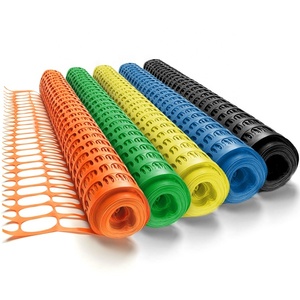
Extruded High-Density Polyethylene (HDPE) high-visibility warning barrier. Features UV-stabilized polymer matrix, high tensile resistance, and lightweight reusability for construction perimeters.
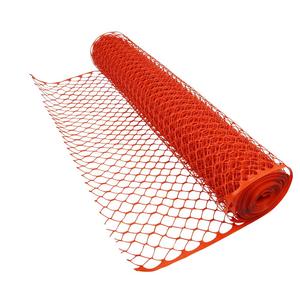
Flexible knitted polypropylene safety fence tailored for temporary enclosures, crowd management, and civil engineering safety. Excellent resistance to chemical aging and atmospheric degradation.
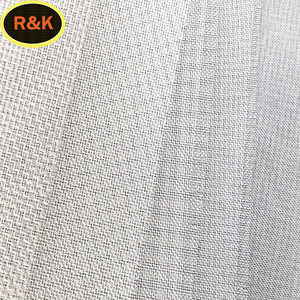
Precision woven liquid filtration mesh spanning 20 to 100 microns. Certified food-grade monofilament fiber offering uniform pore distribution, zero migration, and high mechanical fatigue resistance.
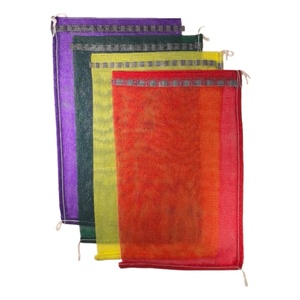
100% Virgin PP leno mesh bag engineered for heavy-duty agricultural export. Optimized breathability prevents produce decay while providing high bursting strength for bulk handling.
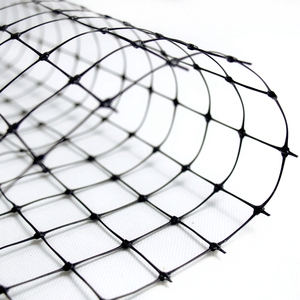
Biaxially Oriented Polypropylene (BOP) netting treated with thermal anti-UV additives. Superior tensile strength-to-weight ratio for agricultural protection, pest control, and containment.
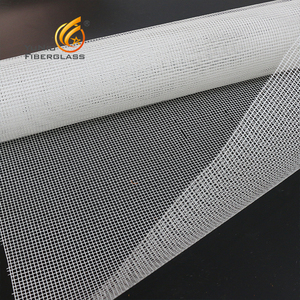
High-modulus alkali-resistant fiberglass woven grid impregnated with flame-retardant latex emulsion. Critical for architectural exterior insulation finishing systems (EIFS) and soil stabilization.
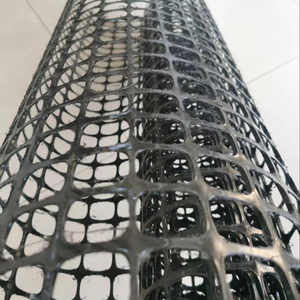
High-stiffness extruded PP structural grid. Designed for subgrade reinforcement, heavy livestock fencing, and civil engineering projects requiring long-term creep strain resistance.

Precision-molded Polyamide 6 (Nylon 6) filter inserts engineered for automotive, hydraulic, and municipal water treatment filtration. Exceptionally durable dimensional stability under pressure.
The global demand for high-performance polymer meshes, industrial filtration fabrics, agricultural netting, and surgical mesh fixation systems (mesh tackers) has experienced exponential growth over the past decade. Driven by advancements in micro-extrusion technology, bio-resorbable polymer synthesis (such as Poly[lactic-co-glycolic acid] or PLGA), and automated injection molding, Chinese manufacturers have established a dominant position in the global supply chain. For international procurement managers, medical device distributors, and civil engineering buyers, sourcing from top-tier Chinese original equipment manufacturers (OEMs) offers an unprecedented balance of cost efficiency, strict international compliance (ISO 13485, CE Marking, EU MDR Regulation 2017/745), and massive scalable capacity.
Modern mesh and tacker engineering spans a diverse technological spectrum: from heavy-duty biaxially oriented polypropylene (BOPP) geogrids capable of subgrade soil stabilization to medical-grade absorbable PLGA helical mesh tackers deployed in laparoscopic hernia repairs (TAPP/TEP procedures). This technical whitepaper evaluates the critical manufacturing parameters, material science, quality management systems, and procurement trends governing top Chinese mesh tacker and synthetic netting exporters.
Strategic Information Gain Insight: Sourcing high-specification polymer mesh and mechanical tackers requires evaluating resin melt flow index (MFI), thermal oxidation stability, bio-resorption kinetics (for medical devices), and burst strength metrics under ISO 5081 / USP standards. Chinese leading facilities integrate fully cleanroom-isolated extrusion and ultrasonic welding to ensure zero cross-contamination and precise micro-geometry.
Understanding the mechanical properties and polymer chemistry of mesh and tacking systems is vital for institutional buyers to ensure performance reliability, regulatory compliance, and field longevity.
In minimally invasive hernia repair (inguinal and ventral procedures), securing the synthetic mesh (polypropylene or composite barrier mesh) to the abdominal wall fascia is paramount to prevent recurrence. Laparoscopic mesh tackers fire spiral or hollow fasteners to pin the mesh firmly in place until collagen tissue ingrowth occurs.

Figure 1: High-precision 5mm laparoscopic mesh tacker shaft with bio-resorbable PLGA fasteners for abdominal wall hernia fixation.
For industrial filtration, civil engineering safety, and agricultural containment, China's premier extrusion lines utilize 100% virgin polymer resins enhanced with sterically hindered amine light stabilizers (HALS) to protect against intense solar ultraviolet radiation.
The matrix below outlines key engineering metrics across primary synthetic mesh categories and mechanical tacker formulations sourced from top Chinese manufacturers:
| Material Category | Polymer Base | Tensile Strength / Holding Force | Thermal / Degradation Profile | Primary Technical Indication |
|---|---|---|---|---|
| Absorbable Mesh Tacker | PLGA (Polyglycolate-co-L-lactide) | > 14 N per fastener anchor | Complete hydrolytic resorption in 6–12 mos | Laparoscopic TAPP/TEP hernia mesh fixation |
| Permanent Mesh Tacker | Titanium Grade 5 (Ti-6Al-4V) | > 22 N per fastener anchor | Permanent non-resorbable biocompatible alloy | Deep fascial fixation & heavy mesh anchoring |
| High-Density Safety Net | 100% Virgin HDPE / PP | 100 GSM – 3.8 kN/m Tensile Yield | UV Stabilized (500 Kly rating) | Construction perimeters & security barriers |
| Precision Filter Screen | PA6 (Nylon 6) / Polypropylene | Burst Pressure > 1.8 MPa | Thermal resistance up to 135°C continuous | Automotive & municipal water filtration |
| Fire-Resistant Geotextile | Alkali-Resistant Fiberglass | 145 GSM – 1400 N/50mm warp/weft | Flame Retardant Class A1 / UL94-V0 | EIFS building insulation & structural reinforcement |
Leading Chinese exporters distinguish themselves through state-of-the-art infrastructure, fully integrated manufacturing verticalization, and international quality management certifications. Sourcing directly from certified facilities ensures batch-to-batch consistency and complete audit traceability.
Medical-grade mesh tackers and surgical hernia implants are assembled inside ISO Class 7 (Class 10,000) cleanrooms equipped with HEPA filtration, laminar airflow, and continuous particle monitoring to maintain bio-burden control.
Top tier manufacturers operate under strict Quality Management Systems compliant with ISO 13485, CE Marking, and EU MDR (Regulation 2017/745). Technical documentation packages, biocompatibility reports (ISO 10993), and risk analysis (ISO 14971) are fully validated.
Utilizing high-speed electric injection molding machines and automated micro-extrusion heads guarantees micro-pitch consistency for plastic nets and high mechanical lock strength for tacker ratchet assemblies.
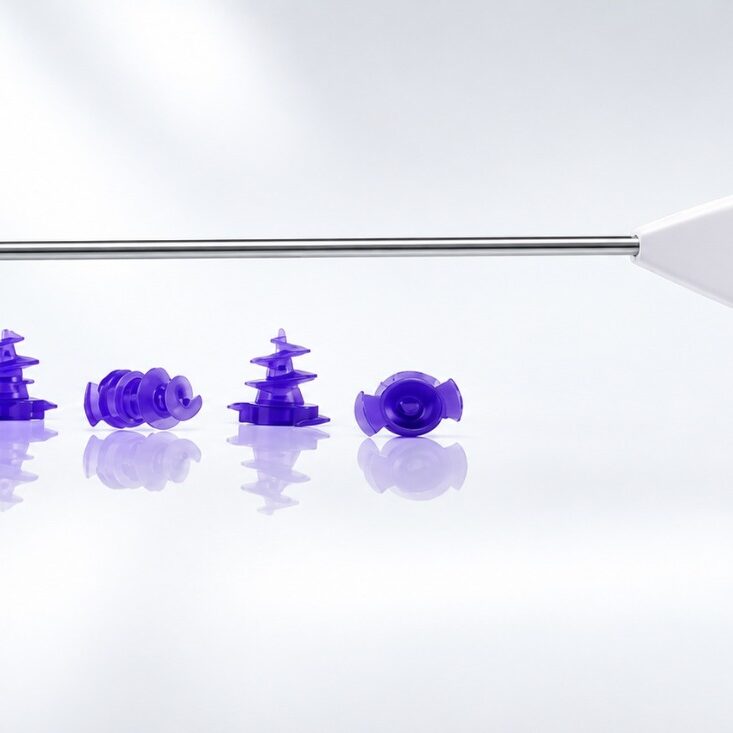
Figure 2: Mechanical pull-out testing of absorbable tackers to verify minimum 1.1× USP holding force safety margins.
As international regulatory frameworks become more stringent and end-user performance expectations rise, the international procurement strategy for synthetic mesh netting and mechanical tackers is evolving rapidly. Procurement directors must align with suppliers pushing the boundaries of material engineering and sustainable manufacturing.
In surgical repair, the market is aggressively transitioning from permanent titanium tackers to advanced bio-resorbable PLGA/PLLA co-polymer tackers. Buyers are seeking tacking systems that offer zero long-term foreign body sensation, reduced chronic pain incidence, and zero interference with future radiological imaging. Chinese manufacturers are investing heavily in micro-polymer synthesis, capturing significant global market share.
In both medical and high-end industrial sectors, multifilament structures are increasingly replaced by monofilament polymers to eliminate capillary fluid trapping and bacterial colonization risks. In hernia repair, partially absorbable composite meshes—combining non-absorbable polypropylene for long-term wall strength with absorbable polyglycolic acid or oxidized regenerated cellulose (ORC) anti-adhesion barriers—represent the gold standard.
For commercial agriculture, civil engineering, and construction safety, procurement managers are demanding zero-waste recyclable polypropylene mesh formulations. Incorporating high-efficiency HALS UV-inhibitors extends outdoor functional lifespan from 2 years to over 7 years without tensile embrittlement, delivering a significantly lower Total Cost of Ownership (TCO).
Innovation in polymer compounding and high-speed automated assembly lines is reshaping factory outputs across China's industrial hubs. Key technological trends include:
Gain a competitive edge in your market with factory-direct pricing, certified ISO 13485 quality control, comprehensive technical dossier support, and fast international shipping.
Contact Us