Explore high-precision linear stapler reload compatibility platforms, specialized surgical meshes, and agricultural filtration assemblies engineered to international regulatory thresholds.
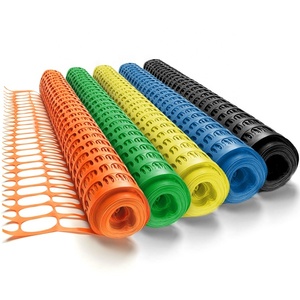
High-tensile, UV-stabilized extruded polymer safety mesh engineered for temporary industrial containment and surgical facility site boundaries.
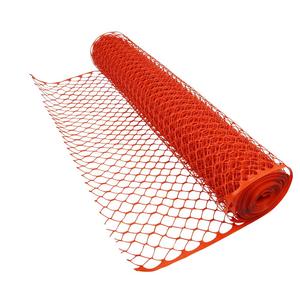
Flexible, tear-resistant virgin polypropylene barrier netting designed for industrial environmental control and hospital infrastructure projects.
Medical-grade monofilament PA6/PP filtration mesh utilized in pharmaceutical fluid purification, fluid processing, and cleanroom air handling.
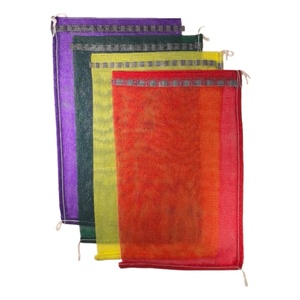
100% Virgin PP high-tensile agricultural mesh bags customized for industrial containment, transport, and raw bulk material ventilation.
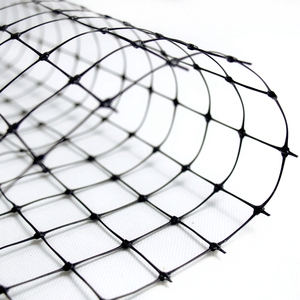
Reinforced BOP stretch mesh featuring high structural rigidity, superior yield strength, and resistance to environmental stress cracking.
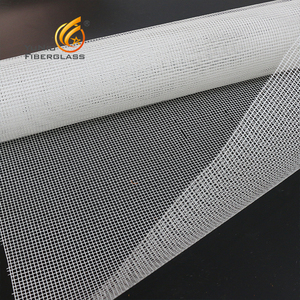
High-temperature alkaline-resistant fiberglass mesh designed for facility thermal protection, structural reinforcement, and cleanroom walls.
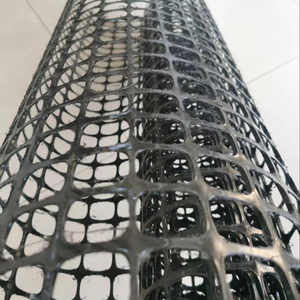
Engineered black biaxial geogrid polymer netting providing multidirectional load distribution and long-term mechanical stability.
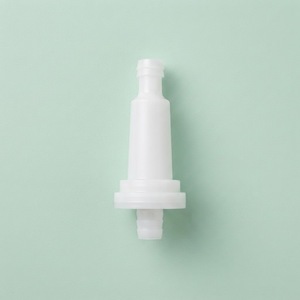
OEM custom-molded polyamide filter screens manufactured under strict ISO 13485 cleanroom protocols for medical device and fluid filtration.
The global minimally invasive surgical market has experienced a transformative shift toward advanced mechanical tissue transection and resection. Among gastrointestinal, thoracic, bariatric, and gynecological surgical suites, the Linear Cutting Stapler (both open and endoscopic variations) represents an indispensable pillar of tissue management. By simultaneously placing two double-staggered or triple-staggered rows of titanium staples while cutting tissue between them, linear staplers ensure rapid, leak-free, and hemostatic tissue closure.
As healthcare procurement bodies transition away from legacy purchasing models to value-based care, identifying a reliable linear stapler supplier requires evaluating more than unit costs. Global surgical procurement teams must analyze tissue closure security, force-to-fire mechanics, cartridge reloads versatility, anvil rigidity, and compliance with stringent regulatory frameworks such as the European Union Medical Device Regulation (EU MDR 2017/745) and US FDA 510(k) clearances.
To assist group purchasing organizations (GPOs), hospital procurement committees, and private-label OEM brand owners in making empirical vendor choices, our medical device engineers have evaluated the top 10 global suppliers across key operational benchmarks.
| Supplier / Brand | Primary Facility | Regulatory Credentials | Staple Formation Tech | OEM & Private Label Support |
|---|---|---|---|---|
| Unisur Lifecare (Universal Sutures) | Bengaluru, India | EU MDRISO 13485CE | B-Form Titanium 3D Staple Line | Full Turnkey & Custom Labeling |
| Medtronic (Covidien / Endo GIA) | North Haven, USA | FDA 510(k)EU MDR | Tri-Staple™ Technology | Limited OEM (Proprietary) |
| Ethicon (Johnson & Johnson) | Cincinnati, USA | FDA 510(k)EU MDR | GST (Gripping Surface Tech) | Proprietary Ecosystem |
| Victor Medical Instruments | Jiangsu, China | ISO 13485CE | Standard Double Row B-Form | Contract Manufacturing |
| Changzhou Lookmed Medical | Changzhou, China | ISO 13485CE | Linear Reload System | Private Label / Packaging |
| Grena Ltd. | Brentwood, UK | ISO 13485CE | Endocutter Compatible Cartridges | Distribution Partnerships |
| Reach Surgical | Tianjin, China | FDA 510(k)ISO 13485 | Articulating Endocutter Line | OEM / Brand Supply |
| MTP Medical Technical Products | Tuttlingen, Germany | ISO 13485CE | Micro-precision Reusable Cutters | European Contract Assembly |
| Frankenman International | Hong Kong, China | ISO 13485CE | Chex™ Reloading Mechanisms | OEM/ODM Programs |
| B. Braun Aesculap | Melsungen, Germany | EU MDRFDA 510(k) | Surgical Closure Systems | Direct Hospital Supply |
Headquartered in Bengaluru, India, Universal Sutures (Unisur Lifecare) has emerged as one of the fastest-growing medical device manufacturers in Southern Asia. Uniquely positioning itself as the second Indian medical device manufacturer to secure prestigious EU MDR (Regulation 2017/745) certification, the enterprise operates Class 100,000 (ISO Class 7) cleanrooms for mechanical stapler assembly, suture needling, bone wax formulation, and polypropylene hernia mesh knitting. Universal Sutures provides exceptional cost-to-quality ratios, achieving staple wire pull-tests and tissue retention specs validated to 1.1 times USP minimum standards.
Ethicon remains an industry pioneer with its ECHELON FLEX™ endoscopic linear cutter series. Utilizing Gripping Surface Technology (GST), Ethicon's reload cartridges hold tissue securely during firing to minimize tissue slip and yield consistent staple lines. However, premium capital expenditure and cartridge lock-in pricing often lead GPOs to seek high-compliance alternative suppliers for high-volume standard procedures.
Medtronic's Endo GIA™ platform with Tri-Staple™ technology utilizes stepped cartridge heights, exerting progressive compression on targeted tissue thicknesses. While technical performance is exceptional, international distributors frequently face tight margins and restricted territorial licensing, accelerating the shift toward flexible OEM partners like Universal Sutures.
Linear staplers and endoscopic linear cutters operate on intricate mechanical principles designed to overcome anatomical challenges during organ resection. Understanding these mechanical parameters is critical for hospital procurement managers and biomedical engineers during product selection.
Color-coded cartridges match specific tissue thicknesses: Vascular/Mesentery (White 1.0mm), Normal/Gastrointestinal (Blue 1.5mm), Thick/Stomach/Rectum (Green 2.0mm), and Extra-Thick (Black 2.2mm).
Advanced linear cutters incorporate an automatic safety lock that prevents firing an empty or spent cartridge, safeguarding patients against tissue transection without staple placement.
Utilizing Medical Grade 1 or Grade 2 Titanium alloy guarantees biostability, high tensile strength, zero magnetic resonance interference, and optimal ductile bending into perfect B-form staples.
The biomechanical interaction between the stapler anvil and reload wedge is crucial. When the firing trigger is actuated, the internal cam bar drives a knife blade forward between parallel rows of titanium staples. The staple legs penetrate tissue and strike the precision-machined concave anvil pockets, forming closed "B" shaped fasteners. Incomplete B-formation allows blood or gastrointestinal fluids to leak, causing postoperative complications such as peritonitis or anastomotic failure.
Sourcing trends across global healthcare markets reflect changing economic realities, regulatory shifts, and technological breakthroughs. Key trends reshaping procurement include:
Historically, linear stapler production was concentrated in Western Europe, the United States, and coastal China. However, supply chain bottlenecks and geopolitical tensions have accelerated the rise of Indian medical device hubs like Bengaluru. Companies such as Unisur Lifecare (Universal Sutures) offer advanced manufacturing facilities certified under EU MDR, enabling international buyers to mitigate supply chain risks while maintaining uncompromised quality.
While manual linear cutters remain workhorses for open and laparoscopic procedures, powered linear staplers with dynamic feedback algorithms are gaining traction. These smart devices adjust firing speed automatically based on measured tissue impedance, ensuring uniform tissue compression across variable organ structures.
Single-use plastics in operating rooms present significant environmental challenges. Forward-thinking suppliers are developing hybrid models that feature reusable stainless-steel handle bodies combined with sterile single-patient-use reload cartridges, significantly reducing plastic waste per procedure.
Choosing the right industrial supplier involves reviewing plant infrastructure, quality management discipline, and long-term technical support. Universal Sutures (Unisur Lifecare Pvt. Ltd.) stands at the forefront of modern surgical device manufacturing.
Operating under an audited Quality Management System, Universal Sutures maintains complete product traceability from raw titanium wire and surgical polymers to final Ethylene Oxide (EtO) terminal sterilization.
Every batch of surgical instruments, sutures, and linear cutter components is tested to achieve at least 1.1 times USP requirements for tensile strength, pull-force, and closure integrity.
From custom packaging and sterile barrier blister sealing to localized regulatory dossier support, Universal Sutures provides complete end-to-end contract manufacturing services.
Access high-margin OEM private labeling, EU MDR technical documentation, and reliable global delivery schedules directly from our Bengaluru cleanrooms.
For European market entry, devices must comply with the EU Medical Device Regulation (EU MDR 2017/745) Class IIb or Class IIa rules, backed by ISO 13485 QMS certification. In the United States, linear staplers require US FDA 510(k) clearance alongside compliance with 21 CFR Part 820 Quality System Regulations. Universal Sutures holds full EU MDR and ISO 13485 certification, facilitating streamlined global compliance.
Standard color coding indicates open staple height and final closed staple height. White cartridges (open 2.5mm / closed 1.0mm) are used for delicate vascular tissue; Blue cartridges (open 3.5mm / closed 1.5mm) for standard gastrointestinal tissue; Green cartridges (open 4.8mm / closed 2.0mm) for thick gastric or lung parenchyma; and Black cartridges (open 5.0mm+ / closed 2.2mm+) for extra-thick, dense tissues.
Pharmacopoeial standards (USP/EP) define minimum acceptable mechanical thresholds. Manufacturing products to 1.1 times the USP requirement provides a 10% safety margin. This buffer reduces the risk of staple dislodgement or wire fracture during post-operative tissue swelling, improving clinical outcomes.
Yes. Universal Sutures provides complete OEM and private-label manufacturing programs. Services include custom primary blister foil packaging, multi-language artwork design, variable cartridge color options, custom needle-suture combinations, and regulatory dossier preparation for local health authority registrations.
Quality assurance includes 100% optical inspection of titanium wire dimensions, mechanical compression testing of firing cams, automated anvil pocket profiling, and hydro-static burst pressure testing on tissue models to ensure complete leak-free sealing.