Engineered for clinical safety, optimal tissue integration, structural durability, and compliance with rigorous ISO 13485 and EU MDR standards.
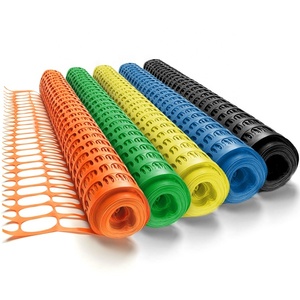
High-tensile extruded polymer netting designed for structural reinforcement, perimeter containment, and high-impact tensile resistance.
Inquire Now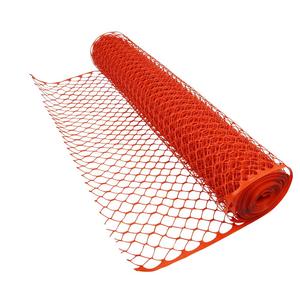
Flexible macroporous structural mesh providing optimal handling characteristics, smooth margin finishes, and superior tear strength.
Inquire Now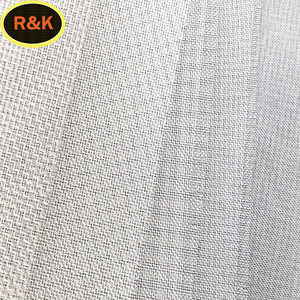
Available from 20 to 100 microns in PP, PA, and Polyester. Features uniform pore distribution for critical filtration and barrier applications.
Inquire Now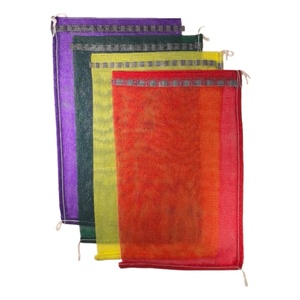
Heavy-duty structural knitted netting manufactured with 100% virgin polymer resins, offering robust stability and multi-axial tensile strength.
Inquire Now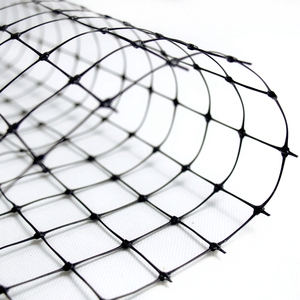
Biaxially oriented polypropylene stretch netting engineered to withstand sustained mechanical loads with minimal elongation.
Inquire Now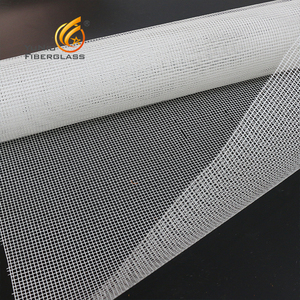
Reinforced 6x6mm structural grid designed for extreme heat resistance, dimensional stability, and harsh environment containment.
Inquire Now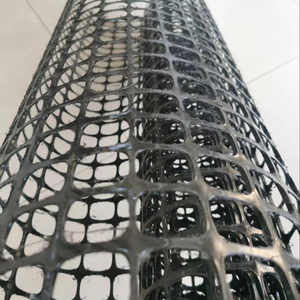
UV-stabilized black monofilament structural grid providing high burst strength, biological inertness, and structural longevity.
Inquire Now
Factory-direct polyamide injection-molded filtration screen engineered for micrometric fluid separation and high chemical stability.
Inquire NowAn in-depth technical analysis for hospital procurement officers, medical device distributors, and private-label OEM brand owners.
Hernia repair represents one of the most frequently performed surgical procedures globally, with over 20 million operations conducted annually. The success of tension-free hernioplasty relies fundamentally on the mechanical properties, pore architecture, and biocompatibility profile of the implanted hernia patch or surgical mesh. As global regulatory standards shift toward more stringent oversight—exemplified by the European Union's Medical Device Regulation (EU MDR 2017/745)—procurement specialists must evaluate factories and exporters based on verifiable technical metrics rather than unit cost alone.
Modern hernia patch manufacturing utilizes high-tenacity synthetic polymers, predominantly non-absorbable Polypropylene (PP), Polyester (PET), and Expanded Polytetrafluoroethylene (ePTFE), alongside bioresorbable polymers such as Polyglycolic Acid (PGA) and Polydioxanone (PDS). The ideal hernia patch must provide immediate structural integrity to withstand physiological abdominal burst pressures (exceeding 180 mmHg or ~24 kPa during forceful coughing), while simultaneously fostering rapid fibromuscular tissue ingrowth with minimal inflammatory response.
| Biomaterial Class | Filament Structure | Pore Size Category | Density (g/m²) | Tensile Strength | Primary Clinical Indication |
|---|---|---|---|---|---|
| Heavyweight Polypropylene | Monofilament | Microporous (< 60 µm) | 80 – 110 g/m² | > 100 N/cm | Open Lichtenstein, Heavy Abdominal Defects |
| Lightweight Polypropylene | Monofilament | Macroporous (> 1000 µm) | 28 – 45 g/m² | > 40 N/cm | Laparoscopic TAPP / TEP Inguinal Repair |
| Composite Dual-Sided Mesh | Monofilament + Hydrogel Barrier | Hybrid Porosity | 60 – 90 g/m² | > 60 N/cm | Intraperitoneal Onlay Mesh (IPOM) |
| ePTFE Microporous Sheet | Expanded Sheet | Nanoporous (< 10 µm) | 90 – 140 g/m² | > 50 N/cm | Ventral / Incisional Visceral Contact Repair |
“Information Gain Insight: The shift from heavyweight microporous meshes to lightweight macroporous monofilament structures reduced chronic post-operative hernia pain rates by over 42% by avoiding dense scar plate formation while preserving essential abdominal wall elasticity.”
When selecting a hernia patch manufacturer, understanding pore physics is paramount. Research confirms that macrophages, which measure approximately 15–20 microns in diameter, require pore sizes greater than 75 microns to freely infiltrate the implant matrix, eradicate bacterial pathogens, and deposit organized collagen threads. Microporous structures (pores < 50 µm) encapsulate the patch in dense fibrotic scar tissue, creating a rigid "scar plate" that increases the risk of mesh shrinkage (up to 30% area reduction), chronic pain, and recurrent herniation.
Top-tier exporters now utilize warp-knitting monofilament technology to engineer macroporous patterns (pores between 1.0 mm and 3.0 mm). Macroporous monofilament meshes elicit a healthy, flexible fibroblastic response, allowing blood vessel neovascularization and muscular integration while drastically reducing total foreign body mass implanted in the host patient.
Monofilament polypropylene threads eliminate interstitial spaces where bacteria (1–2 µm) can hide from immune cells, dramatically decreasing surgical site infection (SSI) incidence.
Leading factories engineer patch matrices to exceed 1.1× to 1.5× USP minimum tensile thresholds, guaranteeing structural retention under acute intra-abdominal pressure spikes.
Terminal sterilization cycles operated under ISO 11135 ensure a Sterility Assurance Level (SAL) of 10⁻⁶ with bio-burden residue levels strictly below EN ISO 10993-7 tolerances.
A flagship Indian medical device manufacturer establishing global benchmarks in suture, hernia mesh, and absorbable haemostat production.
Operating from state-of-the-art cleanroom facilities in Bengaluru, India, Universal Sutures (Unisur Lifecare Pvt. Ltd., an LVS Group Company) stands out as a global leader in wound closure and surgical mesh innovation. Notably, Unisur Lifecare achieved international distinction as the second Indian suture and surgical device manufacturer to secure full EU MDR (Regulation 2017/745) certification, spanning 13 comprehensive product families.
Our manufacturing philosophy—centered on the mandate of "Healing Beyond Comfort"—combines rigorous raw-material qualification, in-house precision warping and knitting, cleanroom pouch sealing, and validated terminal Ethylene Oxide (EO) sterilization. By maintaining 100% batch traceability and operating under certified ISO 13485 Quality Management Systems, we supply hospitals, government healthcare bodies, and private-label OEM brands across more than 80 countries.
We provide full private-label manufacturing including customized packaging design, multi-language IFUs, and complete CE/MDR technical dossier packages for expedited market registration.
Extensive international shipping logistics capabilities ensuring temperature-controlled storage, validated primary barrier pouches, and seamless customs clearance worldwide.
Beyond polypropylene mesh, our cleanrooms produce absorbable sutures (UNIGLYDE, UNISYNTH PDS), bone wax (HAEMOWAX), ORC haemostats (UNISTAT), and laparoscopic tackers.
Key technological transformations shaping surgical mesh manufacturing and international distributor purchasing decisions.
The global medical community is increasingly adopting partially absorbable composite meshes over permanent heavy synthetic sheets. Composite patches combine non-absorbable polypropylene monofilaments with absorbable materials such as Poliglecaprone-25 or Polyglycolic Acid. Post-implantation, the absorbable component degrades via hydrolysis over 56 to 90 days, leaving behind up to 60% less permanent foreign body mass while maintaining initial structural strength during critical early tissue healing phases.
Laparoscopic Intraperitoneal Onlay Mesh (IPOM) procedures require patches that can safely contact abdominal viscera without triggering severe bowel adhesions or fistula formation. Manufacturers are integrating dual-sided barriers featuring oxidized regenerated cellulose (ORC), omega-3 fatty acids, or hyaluronate hydrogels on the visceral surface. This hydrogel layer acts as a physical shield for 7 to 14 days during peritoneal mesothelialization before absorbing completely.
Standard flat mesh sheets require intra-operative trimming and excessive mechanical fixation (tacks or sutures), increasing operating room time and post-operative pain risk. Trend-leading factories now produce 3D pre-shaped anatomical mesh implants featuring 3D contoured keyholes and memory-retaining borders designed specifically for inguinal canals. These patches conform naturally to the Myopectineal Orifice (MPO) of Fruchaud, significantly reducing the required number of invasive mechanical tacks.
Global buyers are rapidly consolidating vendor lists, favoring factories with robust EU MDR (Regulation 2017/745) certificates, Unique Device Identification (UDI) laser coding, and comprehensive post-market clinical follow-up (PMCF) studies. Manufacturers lacking European technical files or cleanroom validation protocols are being phased out of international tender specifications.
Direct answers to technical, regulatory, and commercial queries from hospital procurement teams and distributors.
Hernia patches are classified as Class IIb or Class III medical devices depending on composition and anatomical placement. Reputable manufacturers must hold ISO 13485:2016 Quality Management System certification, ISO 14644 Class 7/8 Cleanroom operational compliance, and CE marking under EU MDR (Regulation 2017/745). For US export, FDA 510(k) clearance is mandatory.
Monofilament polypropylene threads eliminate microscopic inter-filamentous voids. Multifilament braided meshes can trap bacteria (1–2 µm) while excluding larger host immune cells like neutrophils and macrophages (10–20 µm), creating a protected sanctuary for infection. Monofilament meshes exhibit superior resistance to surgical site infections and facilitate rapid tissue integration.
Normal physiological intra-abdominal pressure during deep breathing or coughing reaches approximately 150 to 180 mmHg (~24 kPa). To prevent recurrent mechanical failure or mesh rupture, high-quality hernia patches are engineered with a minimum multi-axial burst pressure rating exceeding 320 kPa (> 100 N/cm tensile load capacity), providing a generous 1.5× safety factor.
Yes. Our dedicated OEM division produces customized polypropylene mesh sheets (ranging from 6 × 11 cm up to 30 × 30 cm) and continuous rolls (up to 32 cm × 25 meters). We manage complete private-label branding, customized blister packs, sterile primary barrier pouching, artwork design, multi-language label translation, and regulatory technical dossier delivery.
Validated Ethylene Oxide (EO) sterilization is the gold standard for polypropylene hernia mesh. Unlike gamma irradiation, which can induce polymer chain scission, embrittlement, and discoloration in polypropylene over long shelf-life periods, EO gas sterilizes effectively at low temperatures without compromising thread flexibility, tensile memory, or pore geometry.
Distributors, hospital buyers, and medical device brand owners can initiate a direct technical inquiry by clicking the "Inquire Now" button located throughout this whitepaper. Our regulatory and sales engineering teams respond within 24 business hours with product datasheets, Certificates of Analysis (CoA), sample packs, and audit scheduling options.
Request factory-direct quotations, technical files, ISO/EU MDR certificates, or custom OEM project evaluations today.