Explore our OEM/ODM product matrix manufactured under strict Class 7 cleanroom standards, meeting USP, EP, and ISO 7198 quality metrics.
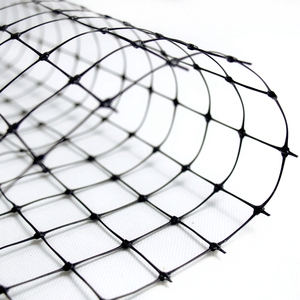
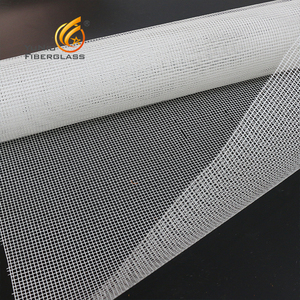
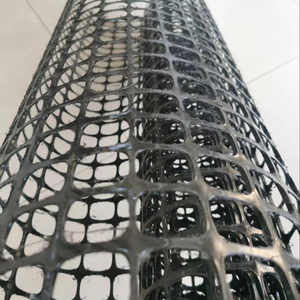
Quantifiable benchmark parameters powering tier-1 medical distributors, hospital networks, and OEM brand partners globally.
The global demand for surgical repair meshes—specifically for abdominal wall reconstruction, inguinal hernia repair, and soft tissue reinforcement—is undergoing a rapid technological shift. As an established OEM/ODM contract manufacturer operating out of advanced ISO 13485 facilities, our engineering strategy bridges the gap between traditional non-absorbable polymers and next-generation composite structures.
Historically, heavy-weight monofilament polypropylene (PP) meshes (>90 g/m²) dominated clinical settings due to their raw burst strength. However, clinical evidence highlights that excessive synthetic mass induces chronic inflammatory responses, tissue stiffening, and persistent post-operative pain. Modern surgical mesh development concentrates on macroporous light-weight structures (30–45 g/m²) and 3D warp-knitted spatial geometries.
Furthermore, procurement trends reflect an accelerated transition toward partially absorbable composite meshes. By co-knitting non-absorbable polypropylene with bio-resorbable polymers such as Polyglycolic Acid (PGA), Poliglactin 910, or Polydioxanone (PDS), surgeons achieve immediate mechanical stabilization during early healing, followed by a 50-70% reduction in permanent implant mass as the absorbable component undergoes hydrolytic degradation within 60 to 90 days.
For B2B procurement managers and OEM private-label brand owners, selecting the correct substrate specification is vital for target clinical indications. Below is our baseline contract manufacturing standard matrix for medical-grade mesh substrates:
| Mesh Classification | Polymer Composition | Aperture / Pore Size | Areal Weight (GSM) | Burst Strength (kPa) | Clinical Indication |
|---|---|---|---|---|---|
| Standard Heavyweight | 100% PP Monofilament | 0.8 mm – 1.2 mm | 80 – 95 g/m² | > 700 kPa | High-stress ventral repair |
| Macroporous Lightweight | 100% PP Monofilament | 2.0 mm – 3.5 mm | 28 – 38 g/m² | > 350 kPa | Laparoscopic TAPP/TEP hernia |
| Absorbable Composite | PP + PGA / PCL Filament | 1.5 mm – 2.8 mm | 55 g/m² (Initial) | > 500 kPa | Low-adhesion abdominal repair |
| 3D Pre-shaped Sling | Knitted PP Mesh | Anatomical Contour | 42 g/m² | > 450 kPa | Urogynecology & pelvic repair |
Navigating global healthcare markets requires strict compliance alignment with regulatory authorities. The transition from the European Medical Devices Directive (MDD 93/42/EEC) to the stringent EU Medical Device Regulation (EU MDR 2017/745) has dramatically altered supply chain strategies.
Under EU MDR, Class IIb and Class III implantable devices require extensive Clinical Evaluation Reports (CER), post-market clinical follow-up (PMCF), and full supply-chain traceability via Unique Device Identification (UDI). Many legacy manufacturers have abandoned smaller SKU lines due to re-certification costs. As one of the few contract facilities with direct EU MDR certification across 13 major medical device families, we offer global partners immediate access to compliant, audit-ready technical files.
Why leading medical brands choose our Bengaluru manufacturing facilities for private label expansion:
Our batch release testing protocols enforce rigorous 100% inspection criteria for every lot:
■ Endotoxin Testing: LAL Assay < 21.5 EU/device
■ Sterility Assurance: SAL 10⁻⁶ via EO cycle validation
■ Dimensional Tolerances: Laser optical micro-gaging
■ Tensile Retention: Accelerated hydrolytic aging
Direct technical answers regarding contract terms, quality protocols, regulatory support, and custom manufacturing capability.
Our manufacturing headquarters operates strictly under an ISO 13485 certified Quality Management System. We hold active CE marking and full EU MDR (Regulation 2017/745) certification across 13 distinct product families. As the second medical device manufacturer in India to secure full EU MDR approval, our facilities undergo rigorous annual audits by notified bodies to guarantee global regulatory compliance.
Yes. We specialize in custom warp knitting, extrusion, and ultrasonic cutting. We produce surgical meshes ranging from ultra-lightweight (28 g/m²) to heavy-weight (95 g/m²), with pore dimensions tailored from 0.8mm up to 3.5mm. We can supply meshes in sterile primary peelable pouches, unsterile bulk sheets, or continuous master rolls up to 32 cm wide by 25 meters long.
Every production batch of mesh and surgical suture is manufactured to exceed pharmacopoeial (USP and European Pharmacopoeia) minimum tensile requirements by at least 1.1 times (110% safety margin). In-house mechanical testing includes ball-burst strength (ISO 7198), suture-pullout resistance, and tear propagation testing, accompanied by a lot-specific Certificate of Analysis (CoA).
We provide complete turnkey private-label OEM solutions. This includes artwork creation, multi-language label printing (compliant with ISO 15223-1 symbols), custom box sizing, thermoform tray sealing, and full regulatory technical file support (STED format) to facilitate rapid registration with your local Ministry of Health or National Medical Products Administration.
Our primary sterilization modality is Ethylene Oxide (EO) processing, fully validated under ISO 11135 standards to achieve a Sterility Assurance Level (SAL) of 10⁻⁶. We monitor EO residuals (Ethylene Chlorohydrin and Ethylene Glycol) via Gas Chromatography to verify compliance with ISO 10993-7 allowable exposure thresholds prior to batch release.
Beyond OEM supply, our engineering management division offers comprehensive turnkey transfer programs. This encompasses cleanroom layout design, specialized warp knitting machinery selection, validated EO sterilizer integration, quality management system implementation, and on-site staff training to help international clients establish local manufacturing independence.
Accelerate your medical device brand expansion with audited quality control, transparent contract terms, and proven biomaterial performance. Speak directly with our technical procurement engineering team today.