Manufactured under rigid ISO 13485 quality systems with full batch-level sterility assurance, custom blade-bevel profiling, and multi-layer protective packaging options.
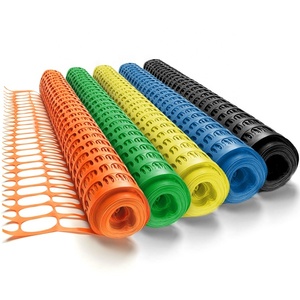
High-tensile protective polymer mesh designed for surgical blade packaging reinforcement, sterile barrier protection, and high-visibility medical facility zoning.
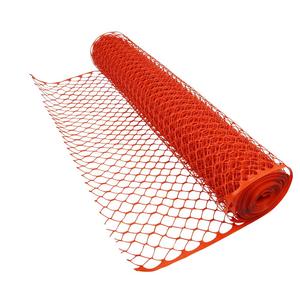
Flexible, high-density polyethylene polymer mesh engineered for medical device transport buffering, surgical tray isolation, and cleanroom material containment.
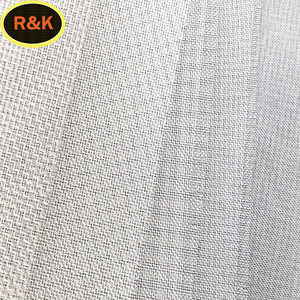
Ultra-fine medical-grade polyester and polypropylene micro-porous mesh suitable for surgical fluid filtration, cleanroom air scrubbers, and bio-compatible device components.
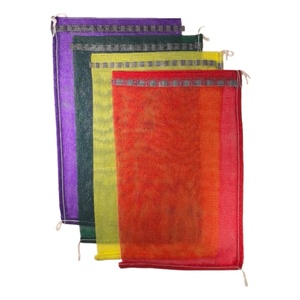
100% virgin polypropylene structural mesh bags built for bulk medical raw material storage, high-load transfer, and sterile device packaging logistics.
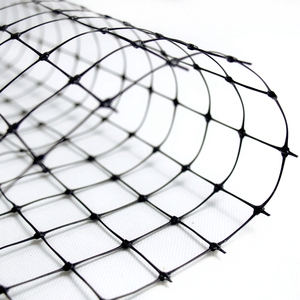
Biaxially oriented polypropylene (BOP) extruded netting featuring enhanced tensile strength for industrial medical device packaging and protective sheath wrapping.
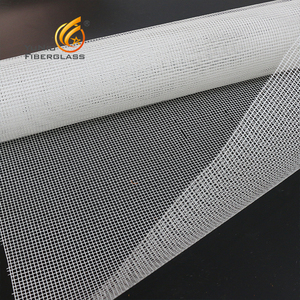
High-temperature resistant 6x6mm reinforced fiberglass structural mesh designed for specialized surgical facility cladding, autoclave lining, and cleanroom insulation.
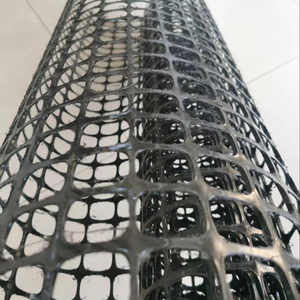
Precision engineered virgin PP structural polymer mesh with UV-stabilized formulation, utilized for OEM medical device outer shell reinforcement and storage casing.
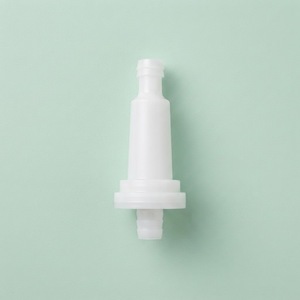
Custom-sized polyamide 6 injection molded filtration screens engineered for high-purity fluid purification, surgical suction systems, and diagnostic equipment integration.
Understanding the critical interaction between alloy composition, heat treatment, micro-honing grinding geometry, and surface passivation in modern scalpels.
In high-precision surgical procedures, the choice of blade substrate directly influences initial sharpness, tissue penetration force, and edge retention during complex dissections.
Precision micro-grinding is executed via computer-controlled multi-axis CNC honing machines utilizing diamond-impregnated vitrified grinding wheels.
| Blade Code | Compatible Scalpel Handle | Common Surgical Applications | Material Options | Standard Compliance |
|---|---|---|---|---|
| No. 10 | Handle No. 3, 3L, 7, 9 | Large skin incisions, general surgery, thoracic entry | Carbon Steel / Stainless Steel | BS 2982 / ISO 7740 |
| No. 11 | Handle No. 3, 3L, 7, 9 | Stab incisions, arteriotomy, abscess drainage, laparoscopic entry | Carbon Steel / Stainless Steel | BS 2982 / ISO 7740 |
| No. 12 / 12D | Handle No. 3, 5 | Mucogingival surgery, suture removal, ENT, tonsillectomy | Stainless Steel / Polymer Coated | BS 2982 / ISO 7740 |
| No. 15 / 15C | Handle No. 3, 3L, 7, 9 | Precise small incisions, plastic surgery, dermatology, pediatrics | High-Carbon / Stainless Steel | BS 2982 / ISO 7740 |
| No. 20 & No. 21 | Handle No. 4, 4L, 6 | Tissue dissection in general, orthopedic & trauma procedures | Martensitic Stainless Steel | BS 2982 / ISO 7740 |
| No. 22 & No. 24 | Handle No. 4, 4L, 6 | Large cardiac, abdominal incisions, necropsy, cartilage cutting | Carbon Steel / Stainless Steel | BS 2982 / ISO 7740 |
Macro supply chain shifts, regulatory escalation, safety legislation, and material innovations redefining hospital purchasing criteria globally.
Global regulatory bodies, including the US OSHA Bloodborne Pathogens Standard and EU Directive 2010/32/EU, are accelerating mandates against sharps injuries. Supply chain trends show a rapid transition toward single-use safety scalpels equipped with integrated, spring-loaded retractable shields and one-handed lockout mechanisms, forcing OEM buyers to secure partners with active safety-device patents.
The sunsetting of MDD in favor of EU MDR has reshaped the supplier landscape. Procurement networks no longer accept basic CE self-declarations. Hospital group purchasing organizations (GPOs) now demand Notified Body-audited technical documentation, comprehensive clinical evaluation reports (CER), stringent biocompatibility testing (ISO 10993 series), and validated EUDAMED UDI compliance.
Geopolitical friction and freight volatility have rendered single-source supply models obsolete. GPOs and global brand owners are aggressively diversifying manufacturing origins. High-capacity hubs in India, backed by ISO 13485 cleanroom infrastructure and robust raw-material supply chains, are capturing immense market share from legacy manufacturing zones.
When selecting an OEM/ODM surgical blade partner, price-per-unit should be secondary to total cost of quality (CoQ). Sub-standard blades exhibit high rate of edge-burring, micro-notching, and peel-pack pouch failure, leading to intra-operative delay, compromised sterility barriers, and increased clinical risk exposure. Prioritize suppliers providing 100% automated optical inspection (AOI) and documented batch-level pull-force and sharpness validation.
Leveraging state-of-the-art cleanroom manufacturing, strict quality management, and end-to-end regulatory dossier support for international medical brand owners.
Our Bengaluru manufacturing plant operates under full ISO 13485 quality management systems, holding CE marking and EU MDR (Regulation 2017/745) certification across 13 major medical device product families. Every surgical blade and suture-needle assembly undergoes rigorous quality gates, guaranteed to exceed minimum USP and ISO tensile/sharpness benchmarks by at least 1.1 times.
From carbon steel #10 scalpels to specialized microsurgery blades, polypropylene hernia mesh, and absorbable haemostats, our platform supports over 5,000 active product codes. We offer full turnkey private-label solutions: custom blade stamping, specialized bevel angles, customized primary aluminum foil packaging, Tyvek peeling pouches, and shelf-ready multi-language retail packaging.
Powered by over 200 dedicated healthcare manufacturing professionals, our operations emphasize continuous skill acquisition, process discipline, and zero-defect lean manufacturing. Proudly, over 70% of our workforce consists of highly trained women technicians managing precision cleanroom assembly, micro-inspection, and primary packaging operations.
All surgical blades and devices undergo validated Ethylene Oxide (EO) terminal sterilization or Gamma Irradiation in accordance with ISO 11135 and ISO 11137. Each released batch is accompanied by a full Certificate of Analysis (CoA) detailing initial sharpness, peel-strength barrier integrity, sterility test verification, and bacterial endotoxin (LAL) testing.
Addressing essential technical, quality assurance, regulatory, and supply chain queries from hospital importers and private-label brand managers.
Connect directly with our engineering and contract manufacturing team to request technical dossiers, sample kits, and customized volume pricing.
Inquire Now