Direct supply from certified production lines — explore our precision extruded meshes, agricultural barriers, and surgical-grade polymer matrices.
An authoritative analysis on raw material processing, tensile strength optimization, regulatory dossiers under EU MDR 2017/745, and factory selection criteria.
In modern surgical practice, non-absorbable silk sutures remain a cornerstone material for cardiovascular, neurological, ophthalmic, and general soft tissue approximation. Derived from the natural proteinaceous filament spun by the silkworm Bombyx mori, surgical silk undergoes specialized degumming, micro-braiding, surface wax or silicone coating, and precision needle attachment to satisfy international pharmacopoeia benchmarks (USP/EP).
For global distributors, brand owners, and hospital group purchasing organizations (GPOs), selecting a qualified OEM/ODM silk sutures factory requires assessing compliance far beyond superficial price-per-unit comparisons. The implementation of stringent medical device directives—specifically the European Union Medical Device Regulation (EU MDR 2017/745) and US FDA 510(k) premarket notifications—has shifted the competitive landscape toward suppliers possessing robust Quality Management Systems (ISO 13485) and complete technical dossier transparency.
Every batch of silk sutures produced under our audited manufacturing lines is engineered to surpass USP minimum tensile limits by at least 10%, safeguarding against intra-operative thread snapping.
We stand as one of the elite global exporters to hold full Class III EU MDR certification covering 13 comprehensive suture families, ensuring uninhibited market access across European hospital networks.
Raw silk contains up to 30% sericin gum, which induces tissue antigenicity. Our automated hot-water degumming removes >99.5% of sericin to deliver bio-inert fibroin cores.
This white paper provides actionable insights into raw material chemistry, manufacturing infrastructure, private-label dossier packaging, and future technological vectors shaping the wound closure industry through 2030.
Understanding the molecular integrity, braiding mechanics, and surface modification techniques required for medical-grade silk manufacturing.
Surgical silk is chemically classified as a natural protein non-absorbable suture. Although clinically designated as non-absorbable, the human body slowly hydrolyzes silk fibroin via enzymatic breakdown, typically resulting in gradual tensile strength loss over 1 to 2 years and eventual tissue absorption over long-term periods. Thus, maintaining structural stability during the critical 14-to-28-day wound healing window is paramount.
The raw cocoon filament consists of two parallel fibroin monofilament cores bound together by sericin—a gummy glycoprotein. Sericin is the primary trigger for cellular immune responses and sterile tissue necrosis. Leading silk sutures exporters utilize precise thermal-chemical degumming baths. By monitoring pH, temperature, and enzymatic action, sericin levels are reduced below critical immunogenic thresholds while preserving the high molecular weight crystalline beta-sheet protein domains of fibroin.
Unlike synthetic monofilaments (e.g., Polypropylene or Nylon), virgin silk fibers undergo a tight micro-braiding process over high-speed machinery. Braiding multiple purified silk filaments increases flexural pliability, giving silk its world-renowned surgeon hand-feel and superior knot tie-down characteristics. The braid geometry must maintain controlled compactness: too loose invites tissue drag and bacterial nidus formation; too tight creates stiffness and compromises knot security.
Untreated braided silk acts as a capillary wick, absorbing body fluids and harboring pathogens. To eliminate capillarity and achieve a smooth tissue passage, OEM factories apply proprietary hydrophobic coatings:
| Property Parameter | Braided Silk (Black/Virgin) | Polypropylene (UNILENE) | Polyamide / Nylon (UNILON) | Polyglycolic Acid (UNIGLYDE) |
|---|---|---|---|---|
| Material Origin | Natural Protein (Fibroin) | Synthetic Polymer | Synthetic Polyamide | Synthetic Synthetic Polymer |
| Physical Structure | Braided & Coated | Monofilament | Monofilament | Braided & Coated |
| Tensile Strength Hold | 50% at 1 Year | Indefinite (Permanent) | 80-90% per Year | 50% at 18-21 Days |
| Knot Security Index | Exceptional (5/5) | Moderate (3/5) | Moderate (3/5) | High (4.5/5) |
| Tissue Reaction | Slight to Moderate | Extremely Low (Inert) | Very Low | Minimal Hydrolytic |
| Standard USP Sizes | USP 9/0 to USP 5 | USP 10/0 to USP 2 | USP 11/0 to USP 2 | USP 8/0 to USP 2 |
Operating out of Bengaluru, India, Universal Sutures represents the gold standard in certified medical device export and OEM supply chain integration.
As a global healthcare solution provider under the LVS Group umbrella, Unisur Lifecare Pvt. Ltd. (Universal Sutures) serves hospital networks, international distributors, and private-label partners across 60+ countries. Our manufacturing philosophy centers on four immutable pillars: absolute quality compliance, state-of-the-art cleanroom automation, human-centric workforce empowerment, and complete regulatory file ownership.
Our Bengaluru manufacturing plant features Class 10,000 (ISO Class 7) controlled cleanrooms dedicated to suture braiding, needle swaging, primary foil packaging, and sterilization. Key technical capabilities include:

Alongside OEM/ODM Silk Sutures, explore our fully certified absorbable, non-absorbable, haemostatic, and laparoscopic product systems.
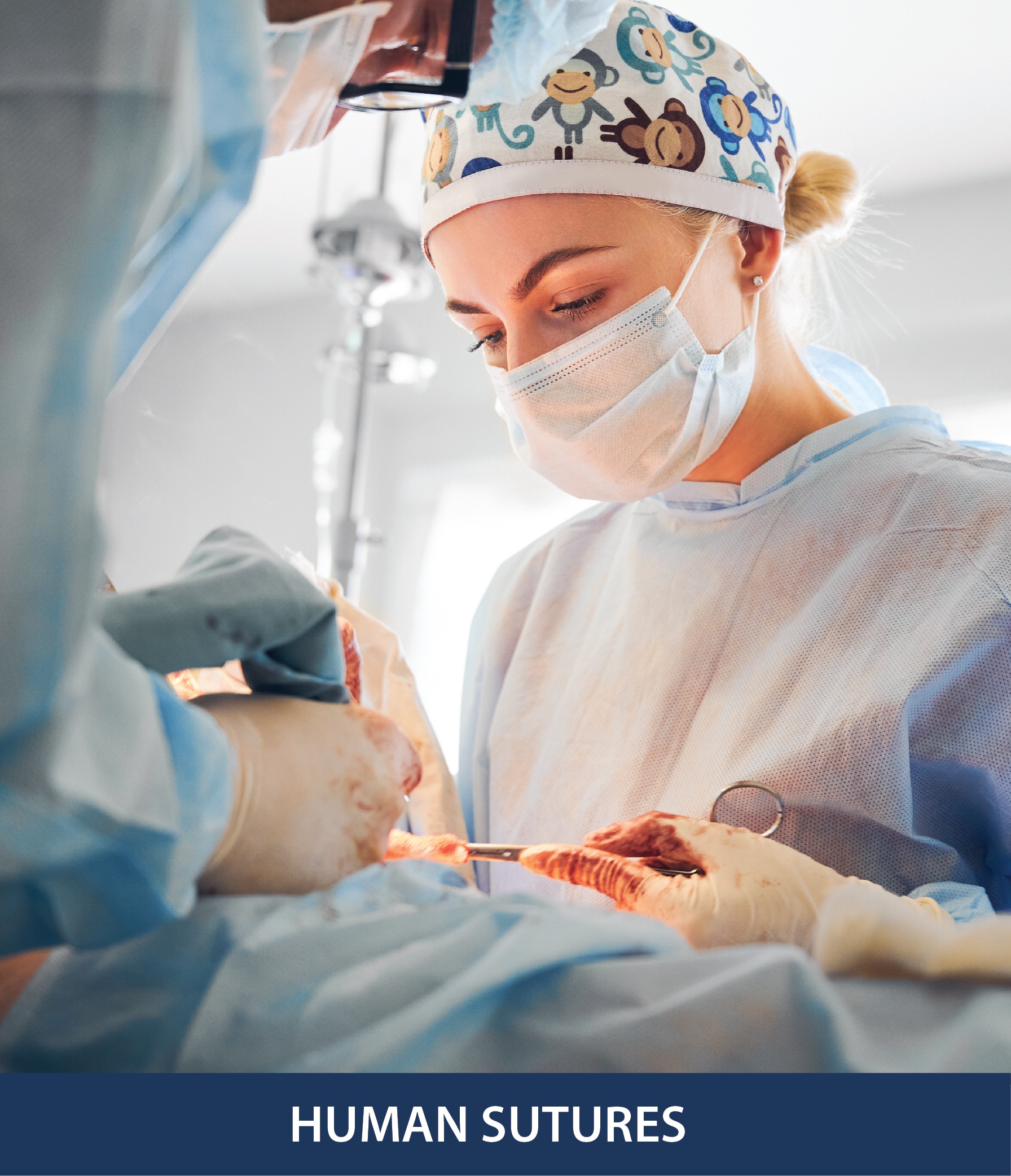
Complete selection of absorbable (PGA, PGLA, PDS, Monocryl, Catgut) and non-absorbable (Silk, Nylon, Polypropylene, Polyester, UHMWPE) materials.
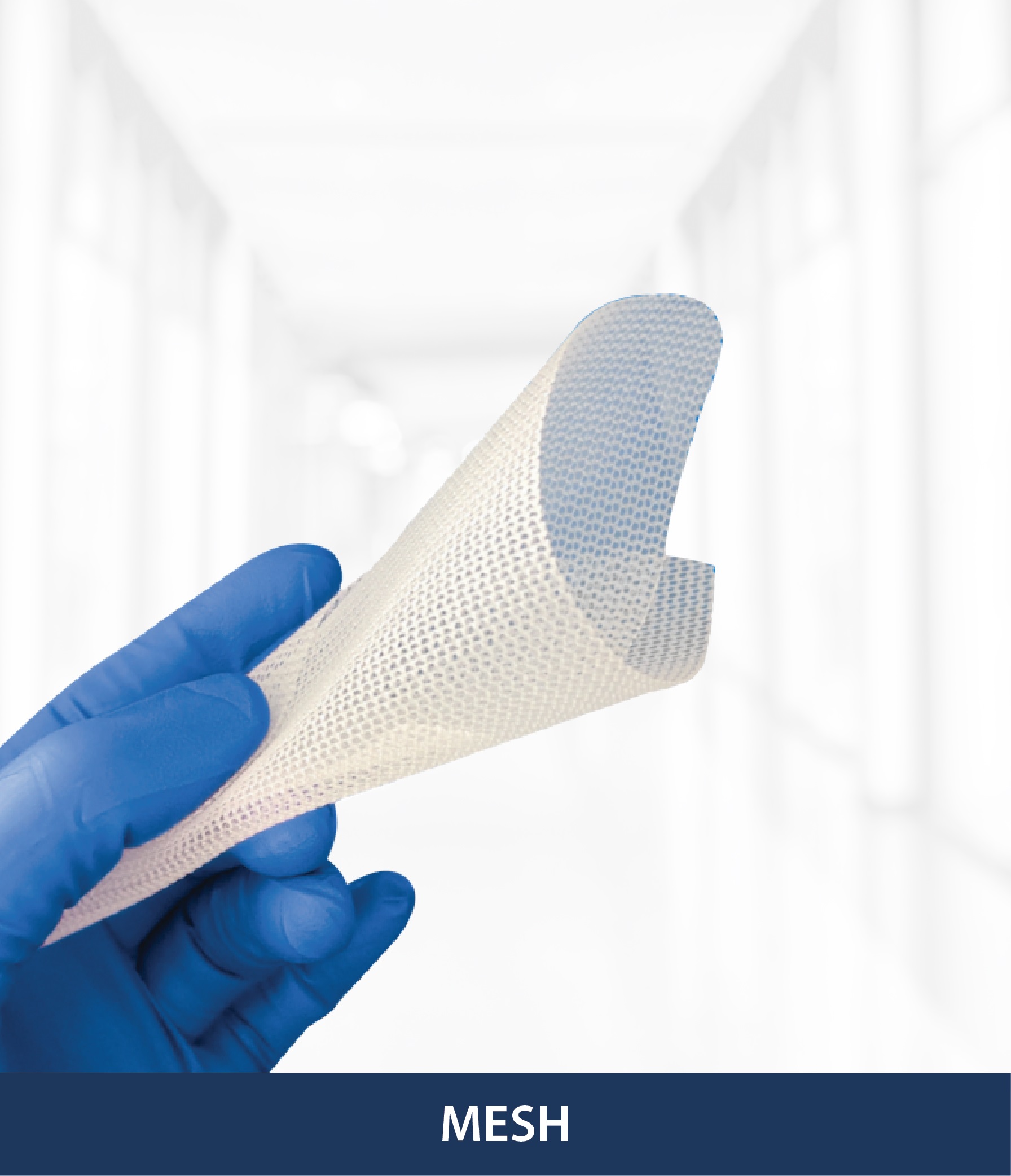
Monofilament knitted mesh available in pre-cut shapes, keyhole patterns, and master rolls up to 32cm × 25m for inguinal and ventral hernia repair.
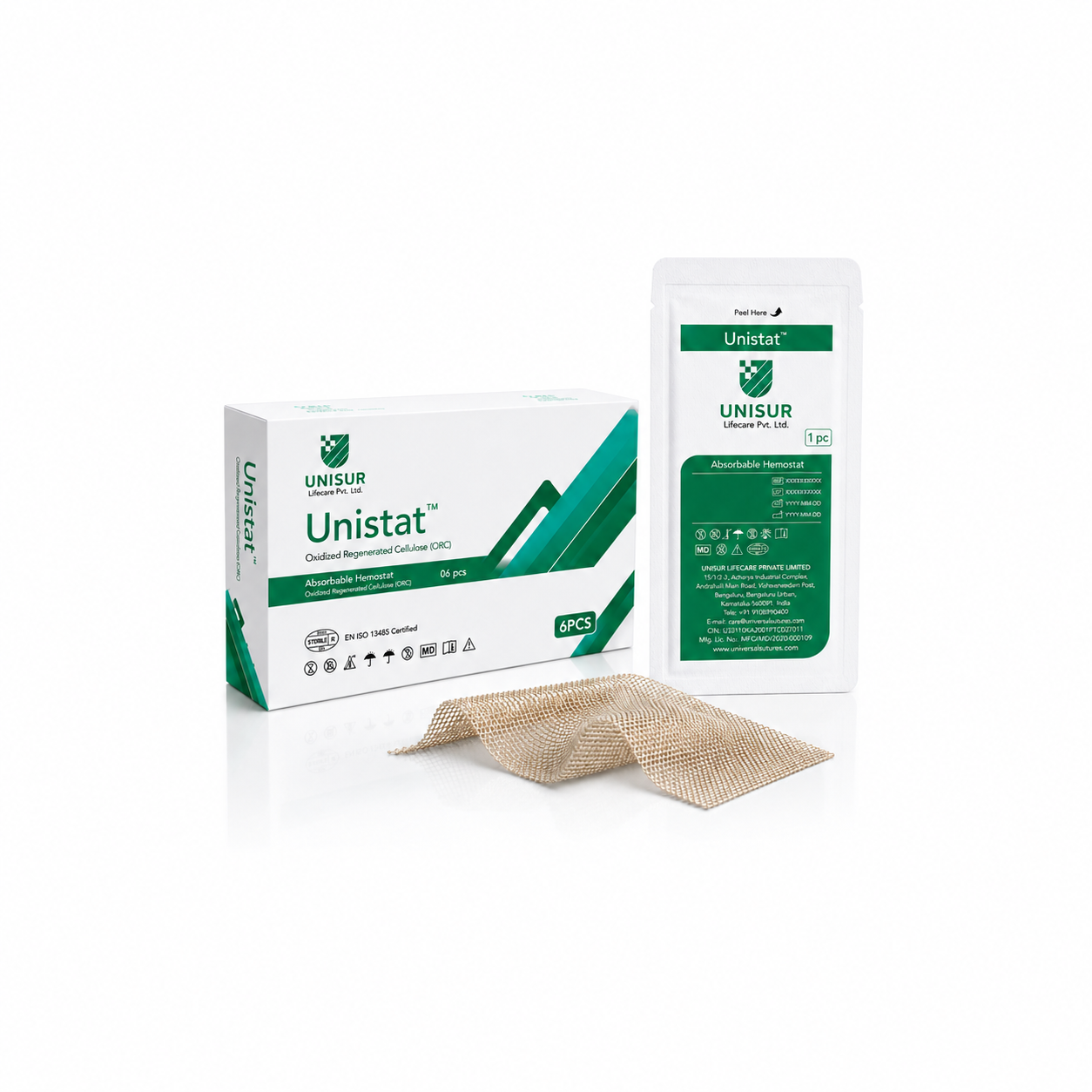
UNISTAT™ Oxidized Regenerated Cellulose warp-knitted fabric providing rapid intra-operative hemostasis across vascular and general surgical sites.
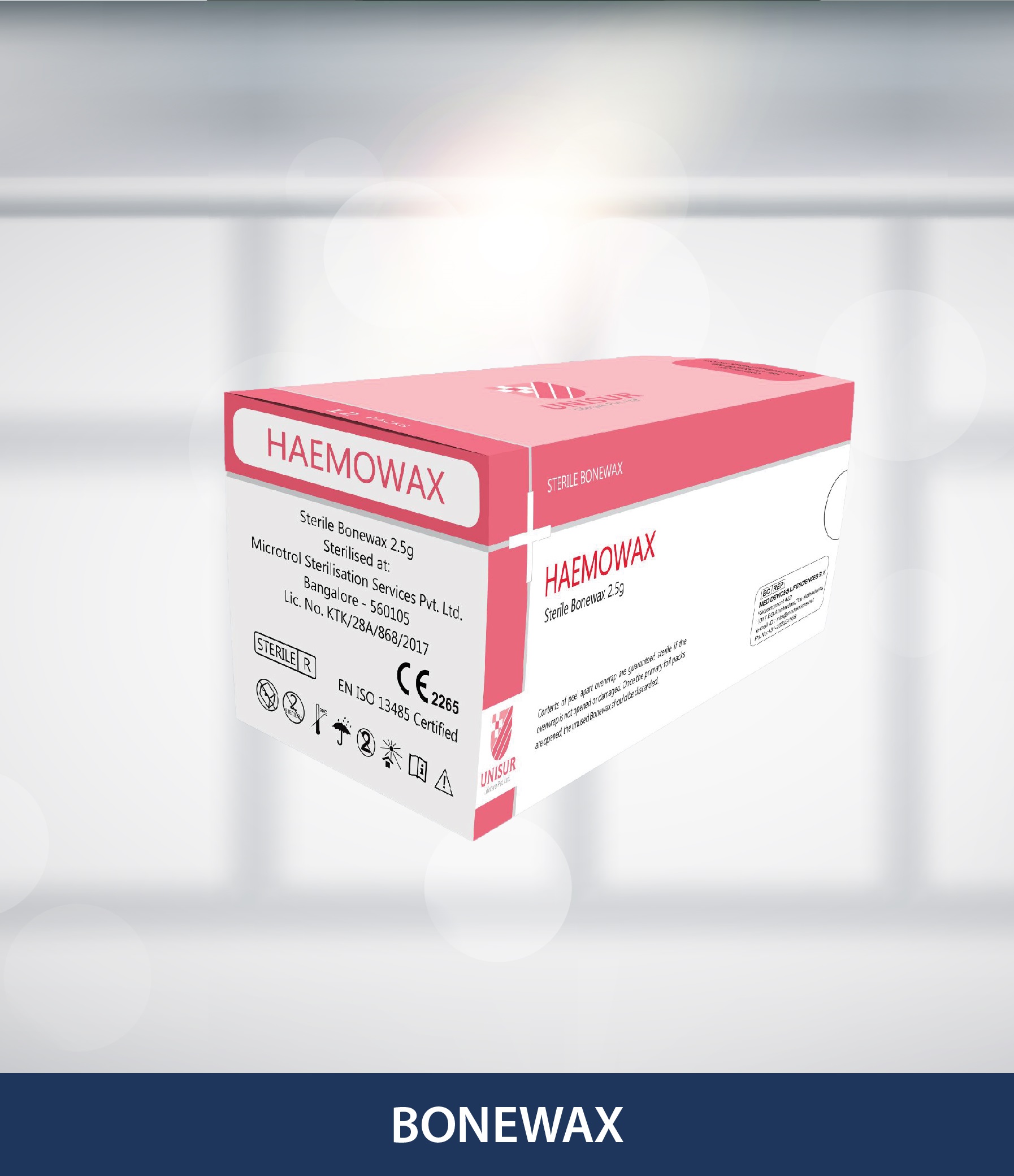
HAEMOWAX sterile blend of purified beeswax and isopropyl palmitate for immediate mechanical control of osseous bleeding in sternotomy and orthopedics.
Key strategic vectors shaping international B2B suture purchasing, risk mitigation, and regulatory strategy over the coming decade.
The expiration of legacy Medical Device Directive (MDD) certificates has created supply bottlenecks across European markets. Hospitals and importers are increasingly cutting ties with legacy suppliers unable to clear the rigorous clinical evaluation and Notified Body audits required by EU MDR. Partnering with a manufacturer holding verified EU MDR certificates across 13 product families eliminates compliance risk and safeguards tender continuity.
Geopolitical friction and regional logistics disruptions have prompted major medical device brands to adopt "China+1" and multi-hub sourcing models. India—and specifically technology clusters like Bengaluru—has emerged as a premier global hub for medical device synthesis. Offering high-skilled engineering talent, cost-efficient cleanroom operations, and native English technical documentation, Indian exporters provide an ideal alternative for robust supply chain redundancy.
Distributors are shifting from reselling Tier-1 multinational brands toward expanding their own private-label portfolios. High-margin distributor brands require turnkey OEM solutions, including multi-language artwork, customizable foil over-wraps, barcode serialization (UDI compliance), and country-specific registration dossiers.
Environmental, Social, and Governance (ESG) mandates are pushing medical procurement teams toward eco-conscious secondary packaging. Leading OEM factories are replacing oversized plastic cassette boxes with compact, recyclable paper-board dispenser boxes and biodegradable shipper cartons, minimizing freight weight and environmental footprint.
Direct technical and operational answers to common inquiries raised by medical device buyers, regulatory officers, and OEM partners.
Our manufacturing facility in Bengaluru operates under an ISO 13485 quality management system. We hold CE marking and full EU MDR (Regulation 2017/745) certification. Universal Sutures is proudly the second Indian suture manufacturer to secure EU MDR compliance, covering 13 product families including silk, synthetic absorbables, bone wax, and hernia repair matrices.
We offer comprehensive OEM customization. This includes custom needle geometry selection (300 series stainless steel needles in reverse cutting, round bodied, tapercut, or spatulated profile), custom thread lengths (10 cm to 150 cm), private-label primary aluminum foil printing, multi-language retail carton design, and complete UDI barcode integration tailored to your market's regulatory framework.
Our Ethylene Oxide (EO) sterilized silk sutures carry a validated 5-year shelf life when stored in their original unopened foil packaging below 25°C and away from direct moisture and heat. Accelerated stability testing (ISO 11607) confirms packaging seal integrity and physical strength retention over the complete 5-year span.
Every batch undergoes pull-out testing on calibrated digital tensiometers. We manufacture to an internal specification of at least 1.1 times (110%) the USP minimum threshold for both knot tensile strength and needle-to-thread attachment force. Certificates of Analysis (CoA) documenting batch results accompany every export container.
Standard MOQs for branded products begin at low thresholds to support trial orders. For customized OEM private-label packaging requiring dedicated foil artwork and customized boxes, typical MOQs start at 500 dozen (6,000 units) per SKU, though blended SKU volume arrangements can be accommodated.
Our dedicated Regulatory Affairs team provides complete STED (Standard Technical Documentation) and CTD dossiers. This includes Risk Analysis (ISO 14971), Biocompatibility Reports (ISO 10993 series), Clinical Evaluation Reports (CER), EO Sterilization Validation (ISO 11135), and Certificates of Free Sale (CFS) to accelerate registration with your national health ministry.
Request factory-direct quotations, technical datasheets, or schedule a virtual cleanroom audit with our senior engineering team.