Explore our export-grade medical devices manufactured under cleanroom conditions with 1.1× USP tensile strength standards.
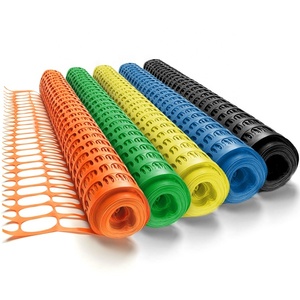
Heavy-duty 100GSM orange protective polymer netting engineered with high tensile strength for site perimeter safety and industrial enclosure applications.
Contact Us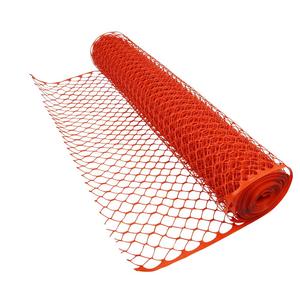
Soft-touch, portable high-density polyethylene security mesh designed for flexible containment, impact resistance, and rapid deployment.
Contact Us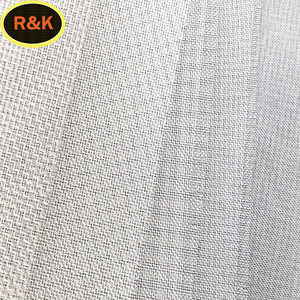
Food-grade, ultra-precise polyester, PP, and PA Nylon monofilament mesh for critical liquid filtration, pharmaceutical, and lab separation systems.
Contact Us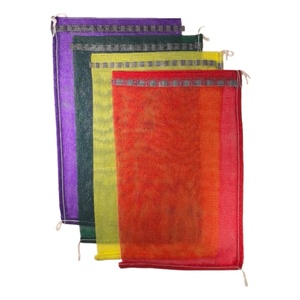
100% virgin PP monofilament high-capacity ventilated mesh structures engineered for agricultural storage and breathable heavy-duty containment.
Contact Us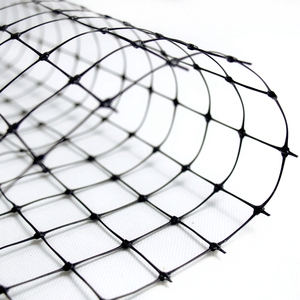
BOP stretch-extruded polypropylene mesh offering UV stabilization, high burst resistance, and long-term environmental durability for agricultural perimeter protection.
Contact Us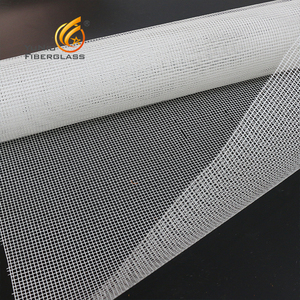
Flame-retardant 6×6mm woven fiberglass geotextile mesh featuring high tensile modulus, alkaline resistance, and superior structural reinforcement.
Contact Us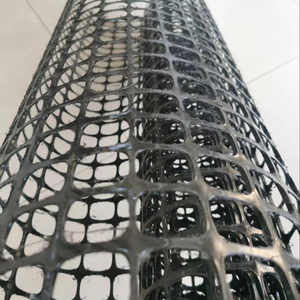
Virgin PP black biaxial geogrid netting optimized with anti-UV stabilization for extreme environmental exposure and structural load distribution.
Contact Us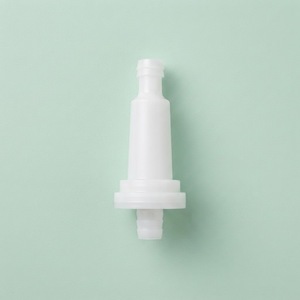
Custom-engineered PA6 polyamide injection-molded filter screens featuring exact mesh aperture sizing for medical, fluidic, and industrial filtration.
Contact UsUnderstanding the copolymer composition, hydrolytic degradation pathway, and needle attachment metrics required for hospital-grade OEM supply.
In modern surgical practice, PGLA (Polyglactin 910) sutures represent the gold standard for synthetic absorbable tissue closure. As a premier custom OEM manufacturer and global exporter, our engineering facilities in Bengaluru, India (operating under Unisur Lifecare Pvt. Ltd.) synthesize PGLA from a copolymer composed of 90% glycolide and 10% L-lactide. This precise stoichiometric ratio provides optimal mechanical handling, predictable absorption kinetics, and minimal cellular tissue reaction during critical wound healing phases.
Compared to legacy natural collagen sutures like Plain or Chromic Catgut, PGLA offers superior tensile retention, freedom from BSE/TSE pathogen transmission risks, and predictable hydrolytic breakdown independent of patient inflammatory status. For hospital procurement managers, OEM brand owners, and medical device distributors, sourcing PGLA sutures manufactured under rigorous ISO 13485 quality systems and European Medical Device Regulation (EU MDR 2017/745) standards is paramount to clinical success and market compliance.
Braided PGLA thread is coated with a proprietary mixture of Polyglactin 370 (glycolide-lactide copolymer) and Calcium Stearate. This inert, non-toxic coating significantly reduces surface friction, allowing smooth passage through delicate tissues without saw-effect drag while ensuring firm knot placement.
PGLA degrades gracefully via hydrolysis—where water penetrates the polymer matrix, breaking ester linkages into lactic and glycolic acids. Tensile strength retention profile: 75% at 2 weeks, 50% at 3 weeks, and 25% at 4 weeks post-implantation, with total mass absorption complete in 56 to 70 days.
Every batch of OEM PGLA sutures released from our facility exceeds the United States Pharmacopeia (USP) and European Pharmacopoeia (EP) minimum tensile strength requirements by at least 10%. Needle-to-thread attachment pull forces are calibrated to prevent accidental intra-operative detachment.
Braiding, needling, primary foil sealing, and terminal Ethylene Oxide (EtO) sterilization occur inside certified ISO Class 7 cleanrooms. Residual EtO levels are strictly monitored under ISO 10993-7 to guarantee biocompatibility and zero pyrogenicity (<0.25 EU/mL).
Our custom OEM PGLA suture manufacturing line supports a broad array of USP sizes, needle geometries, and thread lengths tailored for general surgery, gynaecology, ophthalmic, orthopaedic, and pediatric applications.
| USP Size Metric | Thread Diameter (mm) | Needle Wire Alloy | Needle Profiles | Tensile Retention (14 Days) | Mass Absorption Profile |
|---|---|---|---|---|---|
| USP 8/0 to 6/0 | 0.040 – 0.099 | AISI 302 / 304 Stainless Steel | Micro-spatula, Tapercut, Precision Point | > 75% Initial Strength | 56 – 70 Days Hydrolysis |
| USP 5/0 to 3/0 | 0.100 – 0.249 | AISI 300 Series Siliconized Steel | Round Body Taper, Reverse Cutting | > 75% Initial Strength | 56 – 70 Days Hydrolysis |
| USP 2/0 to 0 | 0.250 – 0.399 | High-Tensile Drilled-End Ribbed Steel | Heavy Taper, Cutting Edge, Trocar Point | > 70% Initial Strength | 56 – 70 Days Hydrolysis |
| USP 1 to 2 | 0.400 – 0.599 | Heavy-Duty Corrosion Resistant Alloy | Blunt Point, Heavy Reverse Cutting | > 65% Initial Strength | 56 – 70 Days Hydrolysis |
As the second Indian suture manufacturer to achieve EU MDR (Regulation 2017/745) certification, we provide world-class contract manufacturing and white-label export services.
Our regulatory team maintains audit-ready Technical Documentation files covering 13 distinct product families. OEM brand owners can leverage our pre-certified CE dossiers to accelerate product registration in Europe, Latin America, Southeast Asia, and the Middle East.
We provide full white-label packaging solutions—including custom primary aluminum foil blister sealing, specialized box artwork, multi-language instructions for use (IFU), barcode serialization, and custom needle-thread combinations (pre-cut lengths from 45 cm to 150 cm).
Operating out of our 20,000+ sq. ft. modern complex in Bengaluru, over 70% of our workforce consists of highly trained female technicians. We enforce a zero-child-labor mandate, robust occupational safety standards, and continuous skill upskilling.
Unisur Lifecare does not merely export goods—we provide complete process know-how, validation master plans (VMP), cleanroom layout consulting, and regulatory dossier transfer for international distributors seeking localized production capabilities.
Strategic insights for B2B medical supply chain executives, hospital procurement boards, and OEM brand planners.
Global hospital purchasing consortiums are systematically replacing natural catgut (plain/chromic) with synthetic absorbables such as PGLA and PGLA-Rapide. The main drivers include predictable hydrolytic breakdown, lower antigenicity, and compliance with stringent international regulatory frameworks banning animal-derived tissues in high-risk procedures.
Surgical Site Infections (SSIs) represent a major financial burden for health systems worldwide. Modern OEM procurement specifications increasingly demand PGLA sutures coated with antibacterial agents (e.g., Chlorhexidine Diacetate or Triclosan) to prevent microbial colonization along the suture line without compromising tissue integration.
The rigorous implementation of the European Union Medical Device Regulation (EU MDR 2017/745) has forced non-compliant micro-manufacturers out of the market. Global brand owners are consolidating supply agreements with certified Tier-1 manufacturers like Unisur Lifecare who possess robust clinical evaluation reports (CER) and post-market surveillance systems.
Knotless barbed PGLA and polydioxanone (PDS) sutures are rapidly gaining market share in laparoscopic, gynaecological, and plastic surgery. By eliminating knot tying, surgical time is reduced by up to 35%, creating strong market demand for OEM manufacturers capable of micro-machining helical barb geometries.
Essential guidance covering regulatory documentation, sterilization standards, minimum order quantities, and custom packaging support.
Our Bengaluru manufacturing plant operates under a fully certified ISO 13485:2016 Quality Management System. Our PGLA suture family holds valid CE Marking and full EU MDR (Regulation 2017/745) Class III certification. Every export batch is issued with a comprehensive Certificate of Analysis (CoA) detailing knot pull strength, needle attachment integrity, sterility assurance levels (SAL 10⁻⁶), and bacterial endotoxin testing results.
While PGA is a homopolymer of glycolic acid, PGLA (Polyglactin 910) is a copolymer of 90% glycolide and 10% L-lactide. The addition of lactide enhances flexibility and alters hydrolytic degradation slightly, offering smoother knot rundown when combined with Calcium Stearate coating. PDS is a monofilament absorbable polymer designed for extended wound support (up to 60 days tensile retention), whereas PGLA provides medium-term support (50% tensile retention at 21 days).
Yes. Our custom OEM services include custom needle wire alloy selection (302/304 grade silicone-coated stainless steel), custom thread lengths (15 cm to 150 cm), dye options (D&C Violet No. 2 or Undyed natural), primary aluminum foil pouch branding, custom inner box designs, and localized language IFUs to meet your target market's regulatory labeling laws.
When sealed in high-barrier double-aluminum foil blister packaging under controlled relative humidity (<20% RH), our OEM PGLA sutures have a validated shelf life of 5 years from the date of Ethylene Oxide (EtO) sterilization. Sutures should be stored below 25°C away from direct sunlight and moisture exposure.
For standard branded items, low MOQs are available. For fully customized private-label OEM orders, MOQs typically start at 500 dozen (6,000 foils) per SKU code to optimize extrusion and foil sealing runs. Lead times range between 3 to 5 weeks depending on custom needle tooling and packaging artwork approvals.
In addition to strict raw material incoming inspection, our in-process QC team conducts continuous inline monitoring using laser micrometers for thread roundness and motorized tensile test benches. We engineer every suture batch to achieve at least 1.1 times (110%) the minimum USP/EP tensile and knot pull strength requirement, building a crucial safety buffer for surgeons during demanding tissue approximations.
Connect directly with our senior biomedical engineering team in Bengaluru to discuss custom PGLA specifications, private label artwork creation, or international distribution agreements.