Explore our certified medical-grade hemostatic matrices, surgical meshes, and bio-absorbable wound management solutions for hospital procurement and global distribution.
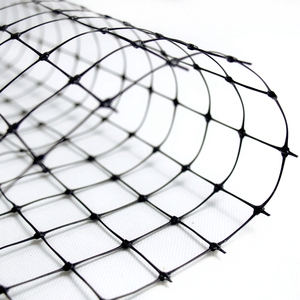
In modern surgical interventions—spanning cardiovascular, neurological, orthopedic, and complex visceral procedures—intra-operative hemorrhage control remains a critical determinant of patient morbidity and surgical outcomes. Flowable Hemostatic Matrices, typically comprised of cross-linked porcine or bovine gelatin combined with human or recombinant thrombin, represent the pinnacle of active biological hemostasis.
As global healthcare systems face escalating cost pressures while maintaining uncompromised safety mandates under frameworks like the EU Medical Device Regulation (EU MDR 2017/745) and US FDA 510(k) premarket pathways, international procurement directors are increasingly looking to China and established Asian medical device exporters for high-purity, OEM-customized, and cost-effective hemostatic solutions.
A hemostatic matrix functions through a synergistic dual mechanism:
This rapid clot formation typically achieves definitive hemostasis within 2 to 4 minutes, significantly reducing operative time, blood transfusion rates, and post-operative drainage volume.
Engineered for complete tissue absorption within 4 to 6 weeks without granuloma formation, chronic inflammatory reaction, or excessive tissue adhesion.
Delivered via ergonomic dual-syringe mixing systems compatible with standard laparoscopic cannulas, minimally invasive endoscopes, and narrow surgical fields.
Processed under ISO Class 5 cleanrooms and validated via continuous Ethylene Oxide (EO) or Gamma Radiation parameters to meet Sterility Assurance Level (SAL) 10⁻⁶.
To assist hospital procurement teams and medical device distributors in selecting the appropriate hemostatic platform, the following data table compares key performance parameters across leading surgical hemostatic categories:
| Hemostatic Category | Active Component | Time to Hemostasis | Swelling Ratio | Resorption Time | Primary Surgical Application |
|---|---|---|---|---|---|
| Flowable Gelatin Matrix | Porcine Gelatin + Thrombin | 2 – 4 Minutes | Moderate (<20%) | 4 – 6 Weeks | Neurosurgery, Spine, Vascular, Complex Resections |
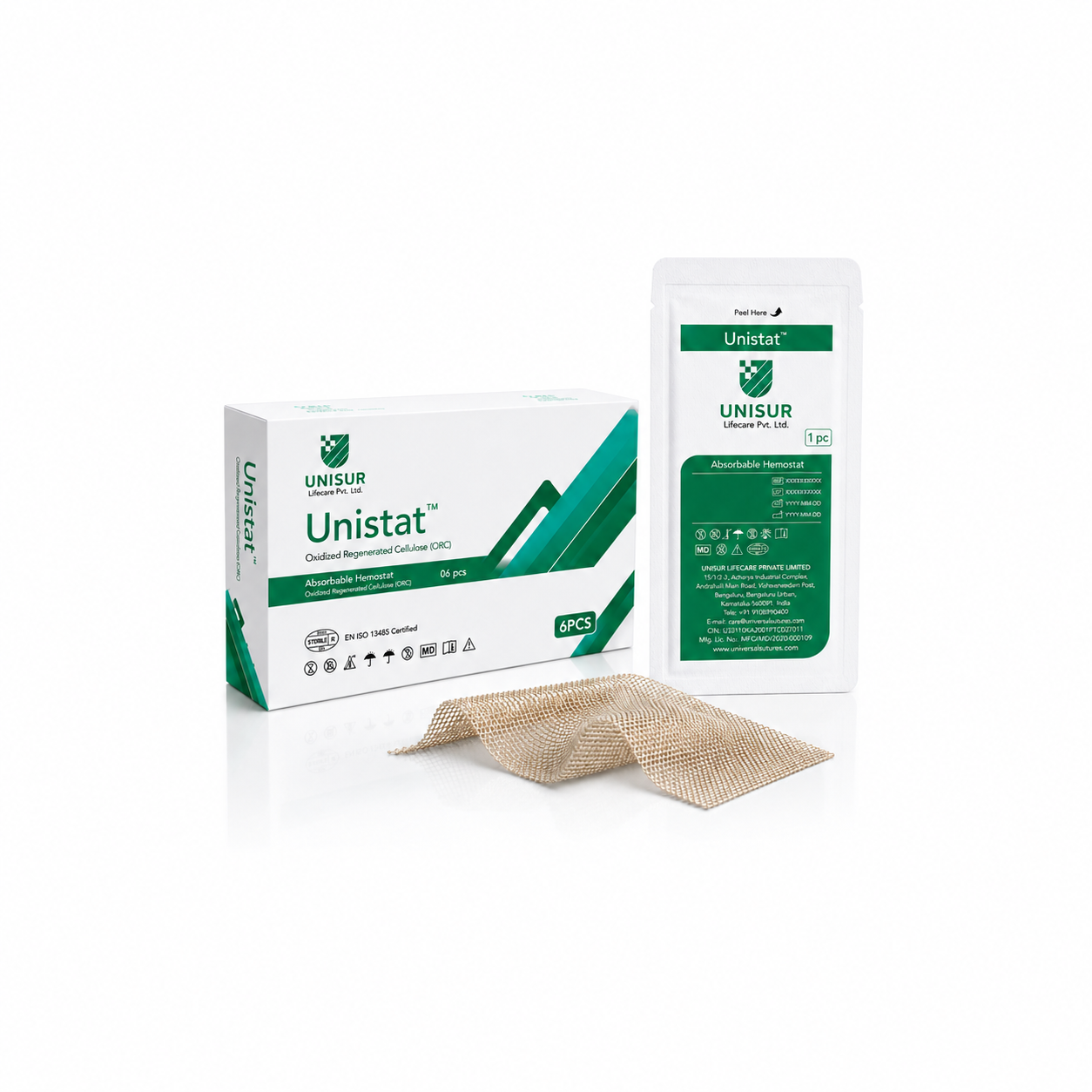
| Oxidized Cellulose (ORC) | Oxidized Regenerated Cellulose | 3 – 5 Minutes | Minimal (<10%) | 1 – 2 Weeks | General Surgery, Gynaecology, Laparoscopy |
| Microfibrillar Collagen | Bovine Corium Collagen | 2 – 5 Minutes | High (30%–50%) | 8 – 12 Weeks | Orthopedics, Traumatology, Liver Resection |
| Surgical Bone Wax | Beeswax + Isopropyl Palmitate | Immediate (Mechanical) | Zero (Non-Swelling) | Non-Absorbable | Sternotomy, Bone Cut Surfaces, Cranial Procedures |
| Synthetic Polypropylene Mesh | Monofilament Polypropylene | N/A (Tissue Support) | N/A | Permanent Implant | Hernia Repair, Abdominal Wall Reconstruction |
The landscape for sourcing hemostatic agents and bio-absorbable surgical devices is undergoing a structural paradigm shift. Large hospital networks, government tender boards, and OEM brand owners must navigate several emerging trends:
Surgeons are demanding reduced preparation times in emergency hemorrhage scenarios. Future procurement tenders prioritize pre-filled, room-temperature-stable hemostatic matrices that eliminate complex reconstitutions of thrombin powder on the sterile field.
With the transition window for the European Union MDR closing, global buyers now reject suppliers offering basic CE certificates without complete clinical evaluation reports (CER), post-market clinical follow-up (PMCF) data, and ISO 13485:2016 quality management system validation. Chinese manufacturers investing in comprehensive clinical dossiers are capturing market share from traditional European suppliers.
Geopolitical volatility and regional healthcare inflation have led global medical brands to partner directly with high-capacity Chinese manufacturing plants. By establishing private-label partnerships, distributors secure reliable supply lines at optimized unit economics while maintaining full control over brand packaging, multi-language IFUs, and regional regulatory filings.
Our production ecosystem is anchored by state-of-the-art cleanrooms operating under rigorous ISO 13485:2016 and EU MDR directives. Every batch of surgical matrix, suture, and mesh undergoes automated tensile testing calibrated to 1.1 times USP minimum standards, ensuring unyielding knot security and superior structural integrity.
Below are critical technical and commercial queries addressed by our regulatory compliance team for international buyers, hospital purchasing agents, and private-label partners: