Explore our export-grade medical hemostatic products and industrial polymer mesh solutions manufactured under strict cleanroom and ISO standard quality management systems.

Surgical bone wax remains one of the foundational hemostatic agents deployed in orthopedic, thoracic, neurosurgical, and oral surgeries worldwide. As a physical barrier device, bone wax achieves immediate local hemostasis during invasive procedures by mechanically tamponading open osseous channels and preventing cancellous bone bleeding. For medical device procurement officers, hospital purchasing consortiums, and B2B brand owners, sourcing sterile bone wax from a fully certified, high-precision manufacturing facility in China offers an optimal combination of bio-compatibility, regulatory compliance, and cost efficiency.
Clinical & Manufacturing Baseline: Surgical bone wax manufactured under ISO 13485 standards utilizes medical-grade refined yellow/white beeswax (USP/EP grade) blended with softening agents like isopropyl palmitate or refined paraffin wax. This yields a kneadable, opaque, solid formulation that achieves immediate hemostatic occlusion at physiological body temperatures.
The primary therapeutic purpose of bone wax is non-biochemical mechanical occlusion. When bone tissue is resected or transected during surgical procedures such as sternotomy in cardiac surgery or laminectomy in neurosurgery, the bleeding originates from severed intraosseous micro-vessels within the trabecular space. Because cancellous bone cannot be cauterized effectively with electrosurgical instruments without causing thermal necrosis, mechanical sealing is mandatory.
A superior bone wax formulation must demonstrate calibrated viscoelasticity. It must remain firm and solid at ambient storage temperatures (15°C–25°C) yet become malleable upon warming with warm sterile saline or hand friction. Once molded and applied into bleeding bone surfaces, the wax adheres tenaciously to wet bone surfaces, sealing severed Haversian canals and instantly halting blood loss.
Engineered melting transition (60°C–65°C) ensures instant hand-malleability while maintaining structural tenacity in intraoperative environments.
Formulated from 100% pharmaceutical-grade beeswax and USP isopropyl palmitate, minimizing tissue reaction and cellular response.
Sterilized via validated Ethylene Oxide (EtO) or Gamma Irradiation cycles achieving a Sterility Assurance Level (SAL) of 10⁻⁶.
To assist procurement managers and clinical evaluators in making data-driven sourcing decisions, the following matrix compares traditional sterile bone wax against modern synthetic oxidized regenerated cellulose (ORC) and absorbable gelatin sponges across core clinical performance indicators.
| Performance Indicator | Sterile Surgical Bone Wax | Oxidized Regenerated Cellulose (ORC) | Absorbable Gelatin Sponge |
|---|---|---|---|
| Hemostatic Mechanism | Mechanical Physical Barrier (Tamponade) | Chemical (Thrombin Activation & Matrix) | Physical Matrix & Fibrin Binding |
| Primary Surgical Application | Osseous / Bone Surface Bleeding | Soft Tissue & Microvascular Bleeding | Parenchymal Organs & Venous Plexus |
| Malleability & Handling | Hand-molded kneadable wax slab | Flexible woven / knitted fabric sheet | Porous pliable sponge cut to size |
| Resorption Profile | Non-absorbable (Inert permanent barrier) | Completely Absorbable (7–14 Days) | Completely Absorbable (4–6 Weeks) |
| Sterilization Method | Ethylene Oxide (EtO) / Gamma Ray | Gamma Irradiation / EtO | Dry Heat / Gamma Irradiation |
| USP Safety Margin | >1.1× USP Pull & Barrier Strength Standard | Conforms to USP Absorbed Hemostat | Conforms to USP Gelatin Hemostat |
The global market for bone wax and surgical hemostats is undergoing significant innovation driven by advancements in biomaterials, minimally invasive surgery (MIS), and strict global regulatory shifts. As a leading manufacturer and supplier in China, our R&D pipeline aligns directly with these global market demands:
While traditional beeswax-based bone wax remains the gold standard due to its unmatched tactile feedback and immediate mechanical seal, non-resorbable wax can occasionally impair osteogenesis or slow bone healing if applied excessively. The industry is currently witnessing a dual-track development model:
With the implementation of the European Union Medical Device Regulation (EU MDR 2017/745) and stringent US FDA 510(k) auditing standards, global buyers can no longer rely on unverified suppliers. Manufacturing bone wax requires Class 100,000 (ISO Class 8) or Class 10,000 cleanroom environments. Micro-filtered air, continuous particulate monitoring, strict bioburden limits, and endotoxin testing (<0.25 EU/mL) are imperative for global hospital tender qualification.
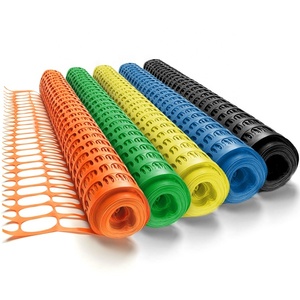
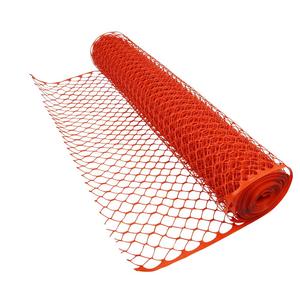
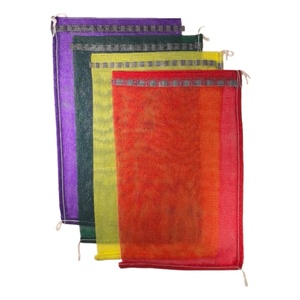
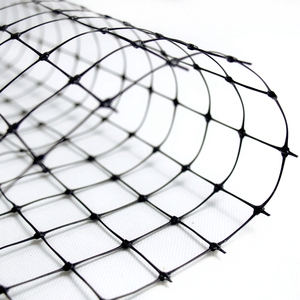
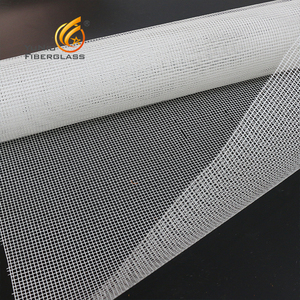
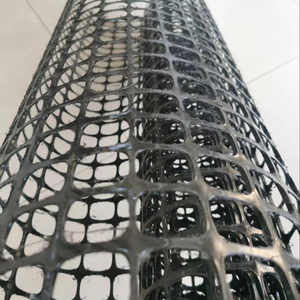
Beyond surgical bone wax, medical device distributors and industrial enterprise buyers are increasingly consolidating their vendor portfolios. Sourcing high-precision polymer extrusion products—ranging from surgical mesh, suture materials, and PA6 water filtration meshes to heavy-duty BOP PP agricultural barrier netting—from a unified China manufacturing group provides immense competitive advantages:
Consolidating medical-grade wound closure devices and industrial mesh procurement streamlines freight forwarding, customs clearance, and quality audit expenses.
Complete custom packaging customization—from blister foil primary packaging to retail cartons, multi-language instructions for use (IFU), and sterile barrier pouch design.
Agile production lines capable of producing custom wax slab weights (e.g., 2.5g, 3.0g, custom foil packs) and precision mesh aperture variations.
Our state-of-the-art manufacturing infrastructure is built around non-negotiable medical device quality metrics. By integrating raw material purification, precision blending, automated foil pouch sealing, validated ethylene oxide gas sterilization, and comprehensive batch testing under one roof, we guarantee unmatched product stability for global healthcare brands.
Every lot of surgical bone wax, absorbable suture material, or technical mesh undergoes thorough quality control inspections prior to release. We issue a comprehensive Certificate of Analysis (CoA) with every shipment, verifying physical appearance, melting range, mass uniformity, sterile barrier integrity, and endotoxin-free validation.