Explore our export-grade absorbable surgical meshes, high-tensile safety barriers, and specialized polymer netting manufactured under strict ISO quality control systems.
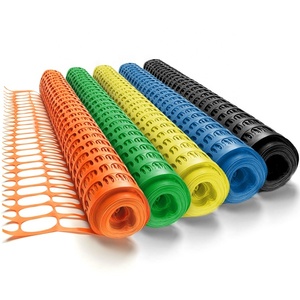
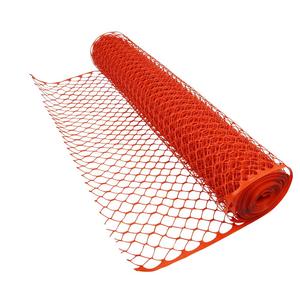
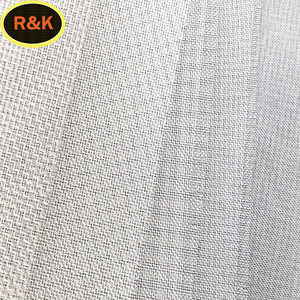
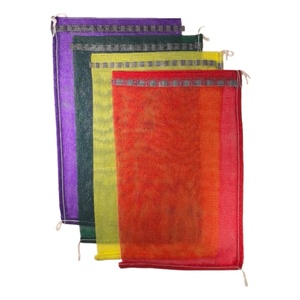
As a leading China wholesale absorbable mesh manufacturer and global synthetic polymer supplier, our cleanroom extrusion facilities engineer high-precision knitted and woven mesh matrices. Biological tissue engineering and industrial synthetic netting demand uncompromised structural integrity, predictable degradation kinetics, and absolute mechanical consistency. In biomedical applications such as hernia repair, soft tissue reconstruction, and hemostatic support, bio-absorbable meshes composed of Polyglycolic Acid (PGA), Polyglactin 910 (PGLA), and Polydioxanone (PDO) have largely superseded non-resorbable implants due to reduced foreign body reactions and optimized long-term tissue integration.
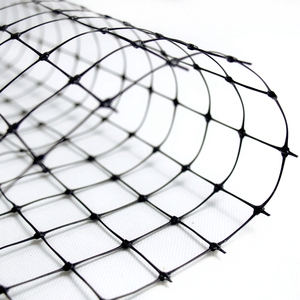
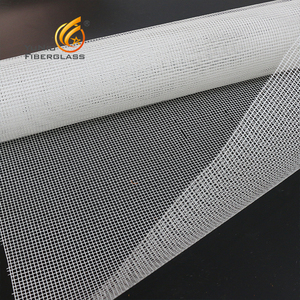
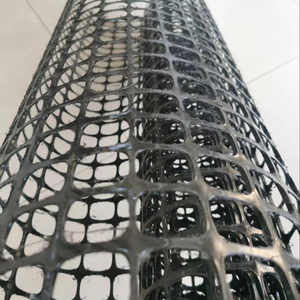
Simultaneously, industrial high-density synthetics—including mono-filament polypropylene (PP), high-tenacity polyamide (PA6/PA66), polyester, and fiberglass geotextiles—form the backbone of modern civil engineering, agricultural preservation, safety enclosures, and micro-filtration systems. Achieving technical excellence across both medical-grade bio-resorbables and industrial-grade high-tensile nets requires deep polymer chemistry expertise, precision cleanroom knitting technology, and rigid quality assurance frameworks.
Technical Information Gain Insight: Our proprietary thermal drawing process yields absorbable PGA and PGLA filaments with a molecular orientation that guarantees tensile retention exceeding standard USP minimums by 10% to 15%. This structural safety margin ensures adequate tissue support during the critical early healing window (14 to 28 days post-implantation) prior to hydrolytic bio-absorption.
The primary advantage of bio-absorbable mesh structures lies in their controlled hydrolytic degradation. Unlike non-absorbable materials like permanent Polypropylene or PTFE, absorbable synthetic polymers undergo ester bond cleavage upon exposure to body fluid water molecules. The degradation rate is precisely governed by polymer stoichiometry, crystallinity, filament diameter, and pore architecture:
| Polymer Type | Absorption Mechanism / Durability | Tensile Strength (MPa) | Primary Clinical / Industrial Application | Sterilization / QC Standards |
|---|---|---|---|---|
| PGA / PGLA 910 | Hydrolytic Resorption (60-90 Days) | 850 - 1,100 | Surgical Organ Support, Hernia Repair Scaffolds | EO Sterilization, ISO 13485, CE/EU MDR |
| Polydioxanone (PDO) | Extended Resorption (180-210 Days) | 600 - 750 | Orthopedic Support, Complex Abdominal Wall Repair | Ethylene Oxide (EO), Cleanroom Class 7 |
| Virgin PP (Polypropylene) | Non-Absorbable / Permanent (UV Stabilized) | 350 - 550 | Geogrid Soil Stabilization, Agriculture, Heavy Safety Nets | ISO 9001, ASTM Tensile Validated |
| PA6 / Nylon Mesh | High Chemical & Wear Resistance | 400 - 650 | Precision Micron Filtration (20-100 μm), Liquid Processing | Food Grade FDA Compliance, RoHS |
| Fiberglass / Geotextile | Fire Resistant / Ultra-High Tensile | 1,200 - 1,800 | Building Reinforcement, Concrete & Fire Barrier Netting | ISO 14001, Flame Retardant Class A |
Operated within ISO Class 7 and Class 8 environmentally controlled cleanrooms. Multi-filament and monofilament extrusion lines guarantee uniform pore distribution, exact GSM targets, and void-free microstructures.
Every lot undergoes automated optical inspection, tensile burst testing, needle-attachment pull testing (minimum 1.1x USP safety margin), and chemical residue analysis prior to terminal sterilization release.
Full-service contract manufacturing: custom pore shapes (keyhole, plug, sheet rolls), multi-language sterile barrier packaging, regulatory dossier creation (CE, EU MDR, FDA 510k, ISO 13485).
Market intelligence for healthcare buyers, industrial distributors, and OEM brand owners navigating international supply chains.
In hernia repair and pelvic floor reconstruction, single-material heavy polypropylene meshes are rapidly giving way to light-weight, partially absorbable composite meshes (e.g., PGLA combined with low-density PP). By incorporating resorbable filaments, initial mechanical stability is maintained during surgery, while the overall permanent foreign body burden is reduced by up to 60% after absorption. This significantly lowers post-operative chronic pain, mesh shrinkage, and stiffness.
Commercial agriculture, civil construction, and logistics netting are facing stricter micro-plastic environmental regulations. Global buyers are shifting toward UV-stabilized 100% recyclable virgin polypropylene (PP) and bio-based polyethylene materials. Factory-direct suppliers in China offering closed-loop scrap recycling, zero-solvent extrusion, and non-toxic flame retardants are gaining substantial competitive procurement advantages.
Distributors no longer seek basic transactional commodity trading. Sourcing partners now mandate turnkey manufacturing capabilities. Leading China manufacturers provide custom matrix drafting, rapid prototyping, cleanroom primary foil sealing, ethylene oxide (EO) sterilization validation, and ready-to-file regulatory technical documentation (ISO 13485 / EU MDR Regulation 2017/745).
We combine advanced cleanroom engineering with strict international compliance to deliver unmatched mesh consistency worldwide.
Operating under an ISO 13485 and ISO 9001 certified Quality Management System. Our medical absorbable meshes and surgical devices hold CE marking and technical file documentation aligned with international health authority guidelines.
Every production batch is tested to exceed pharmacopoeial minimums for tensile strength and node attachment. This engineering safety margin prevents premature fraying or mechanical failure under dynamic physiological or structural loads.
Our modern production facility employs over 200 trained technicians in precision braiding, knitting, packaging, and QA. We strictly uphold ethical workplace standards, safe operating conditions, and gender empowerment in our operations.
Clear technical answers covering certifications, custom ordering, sterilization, and export logistics.
Partner with China’s premier absorbable mesh and synthetic technical netting manufacturer. Contact our engineering and export team today to receive product specifications, sample kits, and OEM pricing.