Explore our factory-direct hospital-grade absorbable hemostatic gauze, surgical meshes, bone wax, and synthetic absorbable sutures engineered for critical hemostasis and tissue approximation.
A comprehensive analysis of absorbable hemostatic agents, bio-material degradation kinetics, regulatory mandates, and contract manufacturing strategies for procurement leaders.
In modern surgical intervention—spanning cardiovascular, neurosurgical, orthopedic, and minimally invasive laparoscopic procedures—rapid, reliable intraoperative bleeding control is paramount to patient survival and operative efficiency. Absorbable hemostats are specialized bio-interactive medical devices designed to arrest venous, capillary, and low-pressure arterial oozing when conventional ligation, cauterization, or sutures are impractical or ineffective.
Chinese wholesale manufacturing hubs, leveraging advanced polymer chemistry and automated cleanroom spinning/weaving technologies, produce four primary classes of absorbable hemostatic biomaterials:
Key Takeaway for B2B Buyers: Selecting the correct hemostat substrate directly impacts intraoperative clotting time, local tissue reactivity, and overall resorption timeline. Plant-derived Oxidized Regenerated Cellulose (ORC) is rapidly outpacing animal-derived gelatin due to zero risk of Transmissible Spongiform Encephalopathies (TSE/BSE) and inherent antimicrobial efficacy.
To assist OEM brand managers, hospital procurement committees, and regulatory officers in evaluating supplier portfolios, the matrix below details the physiological and operational metrics of lead hemostatic products:
| Biomaterial Class | Primary Composition | Resorption Rate | Antimicrobial Efficacy | Sterilization Protocol | Target Surgical Indication |
|---|---|---|---|---|---|
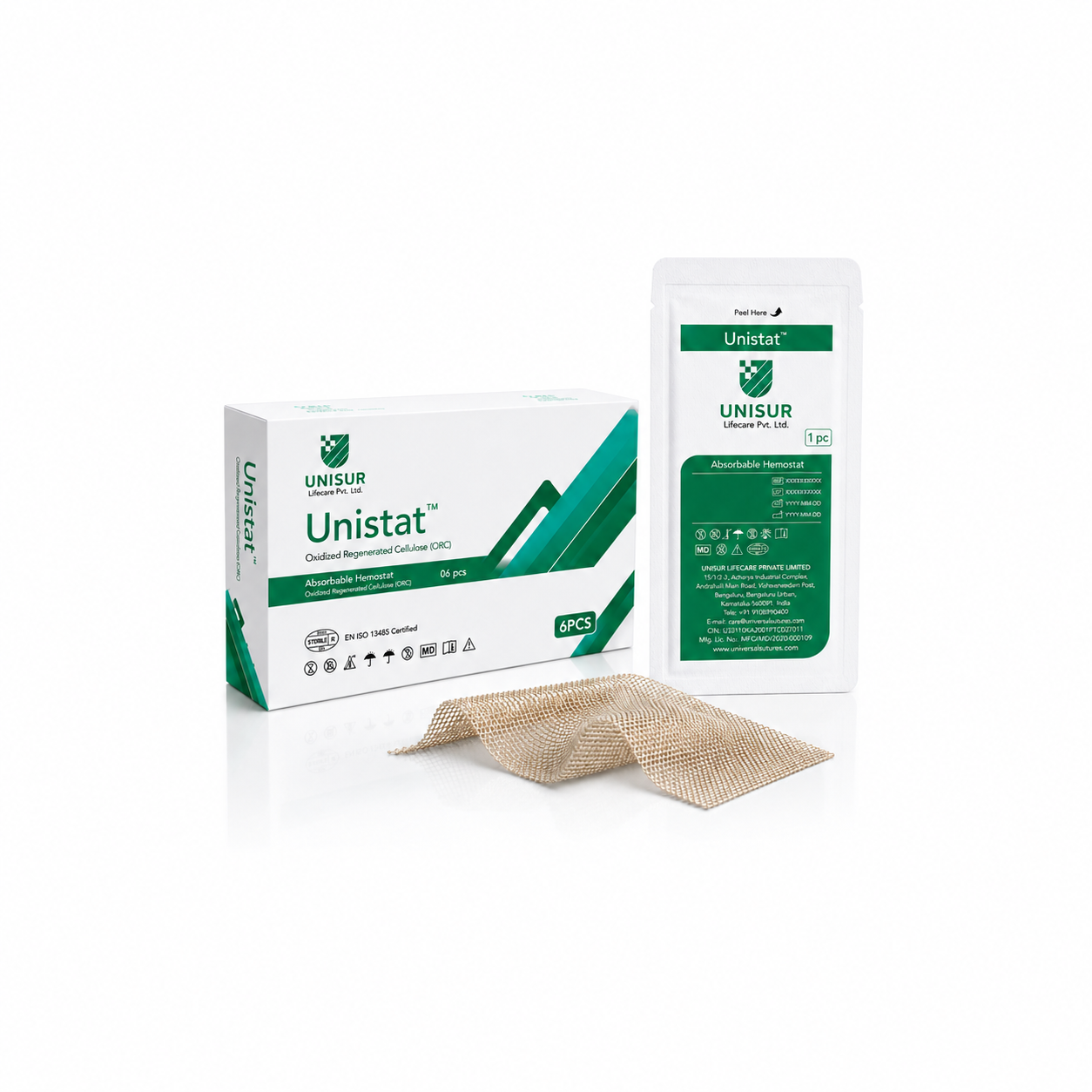
| UNISTAT™ Standard ORC | Oxidized Regenerated Cellulose | 7 – 14 Days | High (Low pH bactericidal) | Ethylene Oxide (EO) / Gamma | General, Vascular, Laparoscopic |
| UNISTAT™ Fibrillar ORC | Layered Non-woven ORC Fibers | 7 – 14 Days | High (Inherent Low pH) | Validated EO Cycle | Neurosurgery, Complex Tumor Resection |
| Absorbable Gelatin Sponge | Cross-linked Porcine Gelatin | 4 – 6 Weeks | None (Neutral pH) | Dry Heat / Gamma Ray | Dental, ENT, Orthopedic Cavities |
| Chitosan Hemostatic Pad | Deacetylated Chitin Matrix | 7 – 21 Days | Moderate (Cationic rupture) | Gamma Irradiation | Trauma, Emergency Hemorrhage |
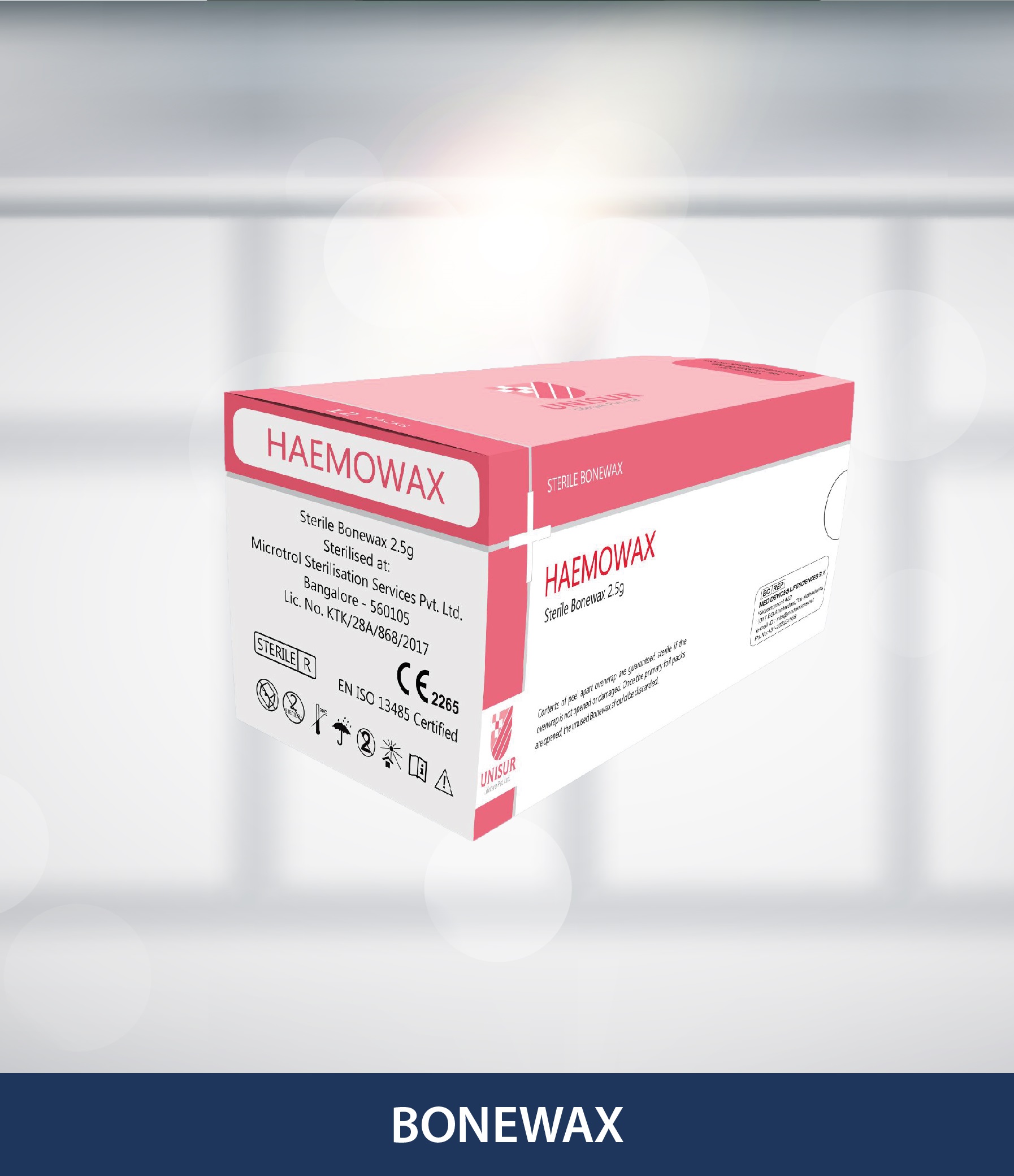
| HAEMOWAX™ Bone Wax | Beeswax + Isopropyl Palmitate | Non-Absorbable (Permanent) | Inert Barrier | Gamma Sterilization | Sternotomy, Cranial Flap, Joint Arthroplasty |
As healthcare regulatory frameworks tighten globally—transitioning from legacy directives (MDD 93/42/EEC) to the stringent EU Medical Device Regulation (EU MDR 2017/745) and US FDA 510(k) modernized oversight—the sourcing landscape for wholesale absorbable hemostats is undergoing a radical paradigm shift.
Hospitals are actively reducing reliance on animal-derived thrombin and bovine collagen due to immunogenic risks, BSE transmission concerns, and religious/dietary restriction barriers. Plant-origin ORC and synthetic PGA/PLGA polymers are taking dominant market share in global tenders.
With over 60% of elective abdominal and gynaecological surgeries moving to minimally invasive platforms, hemostatic materials must now be pre-shaped, rollable, and deployable through standard 5mm and 10mm laparoscopic trocars without crumbling or losing structural integrity.
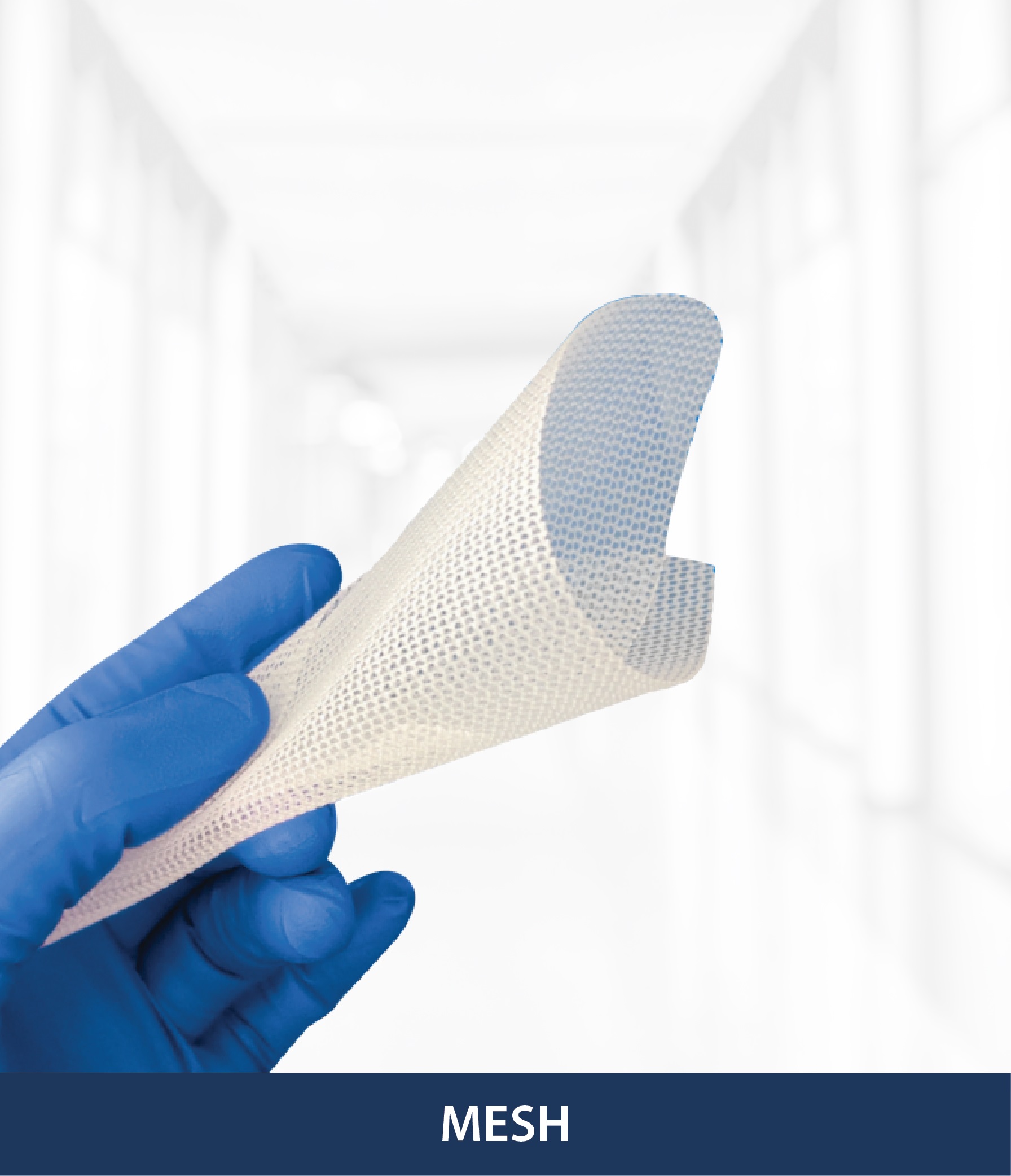
Global medical brand owners are moving away from multi-vendor sourcing models. Consolidating absorbable hemostats, polypropylene hernia mesh, bone wax, and surgical sutures with a single ISO 13485 certified factory dramatically reduces audit overhead and simplifies technical dossier submission.
Modern medical tenders now mandate batch-level Certificate of Analysis (CoA) documentation detailing bacterial endotoxin limits (< 20 EU/device according to USP <85>) and sterility assurance levels (SAL 10⁻⁶), elevating quality benchmarks for Chinese exporting factories.
Our integrated manufacturing facilities operate under a strict ISO 13485 certified Quality Management System, maintaining Class 100,000 (ISO Class 8) cleanrooms dedicated to weaving, chemical oxidation, foil pouch sealing, and terminal ethylene oxide (EO) sterilization.
By enforcing an internal benchmark where every product batch is tested to exceed USP minimum requirements by at least 1.1× in tensile strength, needle-pull attachment, and hemostatic speed, we deliver uncompromised safety to surgeons across 80+ countries.
Clear, expert responses to common technical, regulatory, and supply chain queries from medical device buyers.
Connect directly with our regulatory affairs and medical export specialists to obtain technical dossiers, free evaluation samples, and competitive OEM contract manufacturing terms.