Direct factory supply of medical-grade absorbable hemostatic sponges, mesh barriers, and bleeding control devices engineered in Class 100,000 cleanrooms.
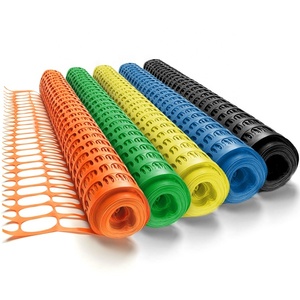 General Surgery
Porous, water-insoluble gelatin sponge offering rapid, uniform intra-operative hemostasis. Absorbs 45x its weight in blood.
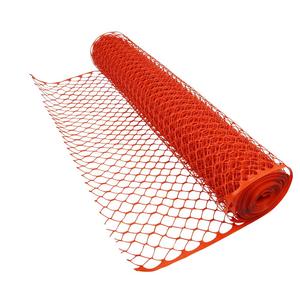 High Density
Flexible, high-density pliable sponge matrix designed for complex anatomical contours and arterial oozing control.
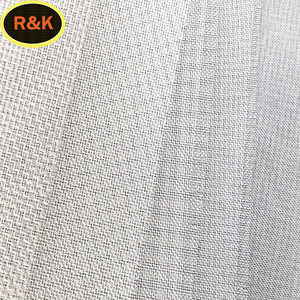 Micro-Porous
Engineered micro-filtration polymer sponge structure facilitating rapid clot stabilization in vascular procedures.
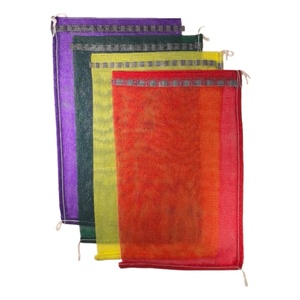 Dental Grade
Individually blister-packed sterile gelatin cubes formatted specifically for tooth extraction sockets and maxillo-facial surgery.
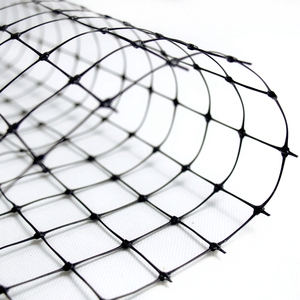 ORC Matrix
Plant-based alpha-cellulose knitted hemostatic pad possessing intrinsic antibacterial activity against gram-positive & negative bacteria.
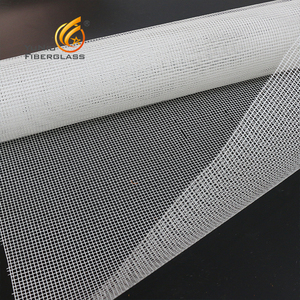 Minimally Invasive
Compressible high-memory sponge roll optimized for passage through 5mm/10mm surgical trocars during MIS procedures.
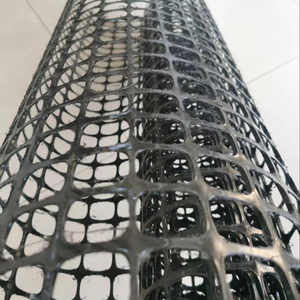 Composite Grid
Dual-action structural hemostatic sheet combining bioabsorbable gelatin with structural backing for heavy parenchymal tissue bleeding.
 OEM & Private Label
Complete custom branding, private-label packaging, customized pore geometry, and regulatory dossier co-development for international distributors.
A comprehensive analysis of physiological coagulation mechanisms, gelatin matrix porosity, and procurement benchmarks for hospital buyers.
In modern surgical practice—ranging from general abdominal resections and orthopedic arthroplasties to delicate neurosurgical interventions—intra-operative hemorrhage remains a primary determinant of patient outcomes, operative duration, and overall transfusion requirements. As a premier China Hemostatic Sponge Manufacturer & Supplier, our engineering research focuses on optimizing the physical and chemical interaction between native blood components and bioabsorbable structural matrices.
Absorbable gelatin sponges function primarily through a dual-action mechanical and physiological mechanism:
Every batch of hemostatic sponges produced in our China cleanroom facilities undergoes stringent pyrogen testing (Bacterial Endotoxin Test < 0.25 EU/mL according to USP <85>), intracutaneous reactivity testing (ISO 10993-10), and systemic toxicity assays (ISO 10993-11). We maintain documented lot-by-lot batch traceability to guarantee absolute surgical safety in critical care environments.
To assist global medical device buyers, surgical procurement committees, and distributor partners in selecting the appropriate raw material base for specific clinical indications, our R&D department has formulated the technical comparative baseline below:
| Biomaterial Matrix | Pore Diameter Range | Absorption Capacity | Resorption Time | Antibacterial Properties | Primary Surgical Specialities |
|---|---|---|---|---|---|
| Absorbable Gelatin | 40 – 120 µm | 40x – 50x Weight | 21 – 35 Days | Neutral (Carrier-dependent) | General, Dental, ENT, Orthopedics |
| Native Type-I Collagen | 20 – 80 µm | 30x – 40x Weight | 14 – 28 Days | Slight intrinsic activity | Cardiovascular, Neurosurgery, Trauma |
| Oxidized Regenerated Cellulose (ORC) | Knitted Mesh Fabric | 15x – 25x Weight | 7 – 14 Days | High (Low pH bactericidal) | Laparoscopic, Gynecological, Urology |
| Chitosan Micro-Porous Matrix | 50 – 150 µm | 25x – 35x Weight | 14 – 30 Days | Broad-spectrum antibacterial | Emergency Trauma, Military Hemostasis |
Strategic insights for medical purchasing managers navigating international supply chains, regulatory transitions, and material innovations.
Procurement demands are rapidly evolving from passive mechanical matrices to active biological sponges infused with human recombinant thrombin, fibrinogen, or antibacterial agents. Buyers are prioritizing products that achieve rapid clotting under full heparinization during vascular and cardiac surgeries.
With the transition from EU MDD to MDR (Regulation 2017/745), Class III medical device requirements have intensified technical documentation, post-market clinical follow-up (PMCF), and biocompatibility evidence. Leading Chinese manufacturers are establishing fully compliant technical dossiers to secure global distribution rights.
Hospital consortia and multinational brand owners are bypassing intermediary traders to partner directly with high-capacity Chinese manufacturing plants. Direct OEM supply provides custom packaging size options, localized label languages, and substantial cost reduction (up to 40% savings) without compromising quality standards.
As surgical techniques move increasingly toward robotic-assisted minimally invasive surgery (MIS) and micro-incision interventions, hemostatic sponge design is undergoing significant technological upgrades:
Combining state-of-the-art cleanroom technology, strict ISO 13485 quality systems, and turnkey international regulatory support.
Our automated production facilities feature positive-pressure air filtration, continuous microbiological monitoring, and sterile water-for-injection (WFI) washing systems to ensure zero particulate contamination.
Every batch of gelatin and collagen sponge exceeds standard United States Pharmacopeia and European Pharmacopoeia minimums for absorption velocity, total fluid capacity, structural stability, and degradation time.
From customized sponge dimensions, pre-cut dental cubes, and endoscopic rolls to fully printed retail cartons, multi-language blister packaging, and CE registration dossier co-filing.
Essential technical, regulatory, and logistics answers for hospital buyers and medical distributors sourcing hemostatic sponges from China.
Our manufacturing plant operates strictly under an ISO 13485:2016 certified Quality Management System. Our medical-grade absorbable hemostatic sponges hold CE Mark certification (under EU Regulation 2017/745 MDR) and maintain full compliance with US FDA Good Manufacturing Practices (GMP) and ISO 10993 biological evaluation guidelines.
Our sponges are sealed inside medical-grade aluminum foil primary blisters or Tyvek-poly pouches under laminar flow hoods. They undergo validated Ethylene Oxide (EO) gas sterilization or Gamma Ray Irradiation (Co-60). Each sealed package maintains sterile barrier integrity for a validated 5-year shelf life under ambient storage conditions.
Yes. As a primary OEM/ODM manufacturer in China, we offer custom sponge geometries ranging from standard surgical pads (80x50x10mm) and dental cubes (10x10x10mm) to laparoscopic rolls, tamponade strips, and high-density sheets. We provide full artwork customization for boxes, inner blister foils, multi-language IFUs (Instructions for Use), and outer master cartons.
When implanted into soft tissue or surgical cavities, our absorbable gelatin sponge completely liquefies and resorbs within 3 to 5 weeks (typically 21–35 days) without leaving cellular residue or scar tissue. When used on mucosal bleeding surfaces (such as nasal packing or dental sockets), it liquefies naturally within 2 to 5 days.
For standard brand packaging, our minimum order quantity starts at 500 boxes. For custom OEM private-label production, the standard MOQ is 1,000 to 3,000 boxes depending on blister dimensions. Standard production lead time is 15 to 25 days following artwork sign-off, with express air freight and sea freight container shipping available worldwide.
Yes. We provide complimentary sterile sample evaluation packs to verified medical distributors and hospital procurement departments. Furthermore, our regulatory affairs team supplies complete technical files (including Certificate of Analysis, Biocompatibility Test Reports, Stability Studies, and Sterilization Validation) to support your product registration with local health authorities.
Contact our B2B medical team today for factory-direct pricing, custom product samples, and comprehensive regulatory technical files.
Inquire Now