Engineered to rigorous EU MDR & ISO 13485 quality standards. Providing robust mechanical integrity, minimal tissue trauma, and rapid firing performance for global hospital networks.
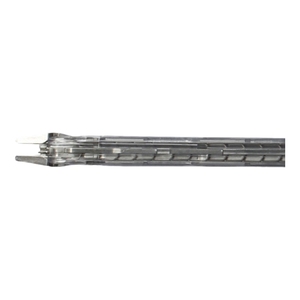
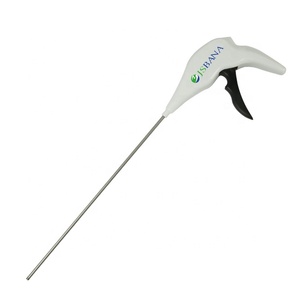
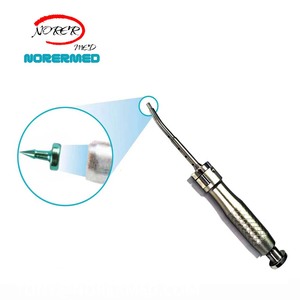
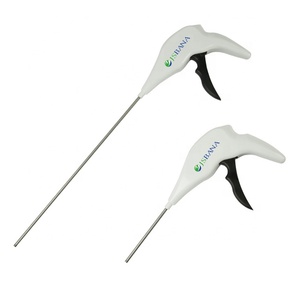
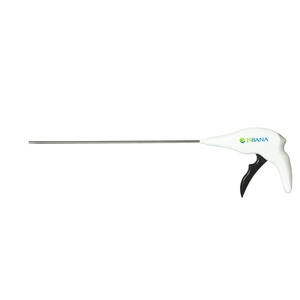
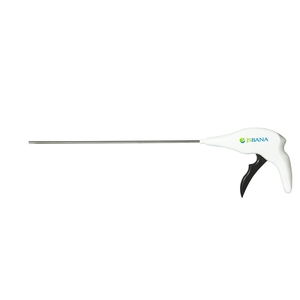
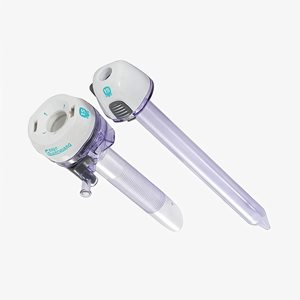
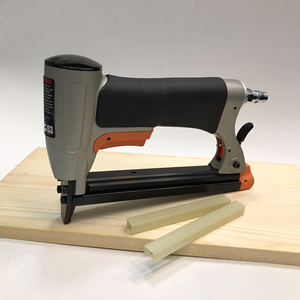
In modern laparoscopic abdominal wall reconstruction—specifically Transabdominal Preperitoneal (TAPP) and Totally Extraperitoneal (TEP) hernia repairs—the mechanical integrity of prosthetic mesh fixation remains a pivotal determinant of surgical efficacy and patient outcomes. As a global CE Certified Surgical Tacker Supplier & Exporter, our engineering paradigm addresses the complex mechanical interactions between prosthetic meshes, Cooper’s ligament, the pubic tract, and the abdominal wall fascia.
The primary objective of surgical tacking is to provide temporary or permanent structural stabilization, counteracting intra-abdominal shear forces during early tissue integration while minimizing the risk of chronic post-operative inguinal pain (CPIP). Achieving this balance requires strict adherence to biocompatibility specifications, precise tack insertion depth, torque control, and mechanical pull-out strength standards that surpass pharmacopoeial minimums.
Helical titanium wire tacks and bioabsorbable PLGA (Poly L-lactic-co-glycolic acid) pins must overcome Cooper's ligament density without blunting, achieving superior holding power under high abdominal pressure spikes.
Controlled penetration depth (typically 3.8mm to 4.5mm) prevents deep fascial penetration into the "Triangle of Pain" and "Triangle of Doom", mitigating ilioinguinal and genitofemoral nerve compression.
Procurement directors and hospital clinical committees must carefully evaluate tissue integration timelines against device resorption profiles. Below is an authoritative technical comparison between metallic surgical tackers and synthetic polymer absorption systems:
| Performance Parameter | Titanium Helical Wire Tacker (20/30 Tacks) | Bioabsorbable PLGA Fastener (UNITACK™) | Polypropylene Hernia Mesh Compatibility |
|---|---|---|---|
| Material Composition | Ti-6Al-4V Grade 5 Titanium Wire | Poly(L-lactide-co-glycolide) 82:18 Copolymer | Monofilament & Lightweight Composite Mesh |
| Tensile Pull-Out Force | > 14.5 N per tack insertion point | > 12.0 N initial strength (Resorbs over time) | Fully anchors pore sizes from 1.0mm to 4.5mm |
| Resorption Timeline | Permanent Metallic Implant | Hydrolytic degradation: 12–18 months | N/A (Mesh provides permanent matrix) |
| Shaft Diameter & Length | 5mm Outer Shaft / 350mm & 110mm Length | 5mm Outer Shaft / 350mm Ergonomic Drive | Standard 10mm/5mm Laparoscopic Trocars |
| Radiopacitivity & MRI Safety | MRI Conditional (Non-ferromagnetic) | Radiolucent / Zero Artifact Interference | Fully Compatible with Diagnostic Scans |
| Sterilization Method | 100% Ethylene Oxide (EO) Validated Cycle | Validated Gamma Irradiation / EO Protocol | Ethylene Oxide (EO) Double Barrier Pack |
The global medical device procurement landscape is experiencing a structural paradigm shift driven by stringent regulatory frameworks, surgeon demand for ergonomic standardization, and a growing clinical preference for bioresorbable implantable devices. As healthcare systems adapt to post-pandemic fiscal pressures, procurement officers are increasingly prioritizing single-vendor wound closure and hernia fixation solutions that offer documented compliance under EU MDR (Regulation 2017/745) and ISO 13485:2016.
While permanent titanium helical tacks remain the gold standard for high-tension repair in dense ligament structures, clinical trials demonstrate a 34% reduction in chronic post-operative pain scores when bioabsorbable tackers are deployed in pediatric and young-adult laparoscopic inguinal hernia repairs. Bioabsorbable PLGA fasteners maintain 80% of their initial shear strength through the critical 4-week tissue ingrowth window, slowly metabolizing into natural lactic and glycolic acids as the body synthesizes a natural collagen matrix.
With the accelerated adoption of robotic surgical platforms (da Vinci, Hugo RAS), surgical tacker exporters must supply longer, more flexible shaft configurations with 360-degree continuous articulation mechanisms. Our engineering lines now feature articulated 350mm shaft tackers designed for tight anatomical angles without requiring additional port placement.
The implementation of EU MDR has significantly raised the barrier to entry for surgical manufacturers, causing many low-tier suppliers to exit European and Latin American markets. Importers and hospital chains are increasingly partnering with vertically integrated manufacturers who own full cleanroom processing, needle-attaching lines, and in-house microbiological validation labs capable of issuing ready-to-file technical dossiers for national registration.
As part of our commitment to healing beyond comfort, our production ecosystem in Bengaluru operates under strict cleanroom conditions, blending automated Swiss CNC machining for titanium anchors with proprietary polymer extrusion for absorbable components. Our technical heritage as a leading medical device OEM exporter rests on three operational pillars:
Every batch of laparoscopic hernia tackers, suture materials, and mesh products is subjected to rigorous pull-out tension testing, exceeding standard United States Pharmacopeia (USP) requirements by at least 10% to guarantee an uncompromising safety margin during intra-operative stress spikes.
We operate audited cleanrooms equipped with validated Ethylene Oxide (EO) sterilization chambers. Our technical documentation encompasses 13 comprehensive product families, assuring international regulatory agencies of full endotoxin control, sterility assurance levels (SAL 10⁻⁶), and complete batch traceability.
From custom shaft lengths (110mm pediatric/short shaft vs. 350mm standard laparoscopic) to OEM multi-language foil packaging and complete plant process transfer, we empower global distributors to launch branded wound-closure and fixation portfolios effortlessly.
In-depth technical and regulatory answers tailored for medical procurement officers, hospital purchasing managers, and surgical device distributors.
Direct factory supply, uncompromised ISO 13485 quality control, 1.1× USP mechanical performance, and full regulatory dossier support for your market.