Explore our export-grade medical and industrial polymeric mesh products. Manufactured in controlled cleanrooms under rigorous ISO 13485 standards for global hospital, agricultural, and industrial infrastructure applications.
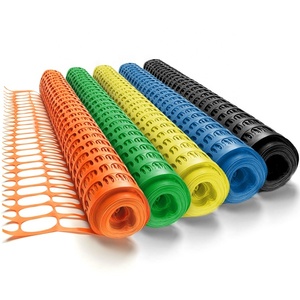
High-tensile extruded warning barrier designed for perimeter safety and site containment.
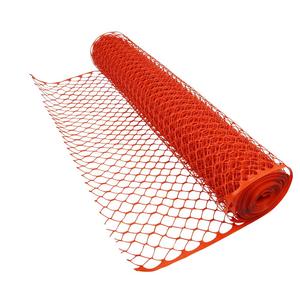
Flexible, UV-stabilized polymer matrix with soft hand-feel for temporary barrier fencing.
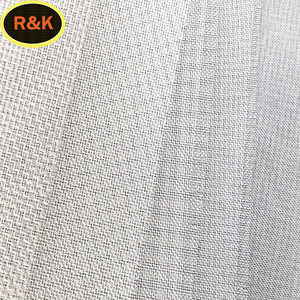
Precision woven monofilament filter mesh certified for sterile liquid fluid separation.
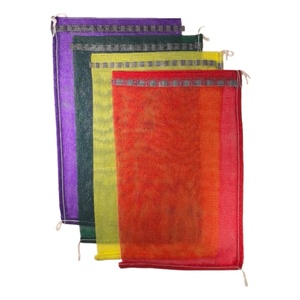
Breathable, heavy-duty tubular mesh weave tailored for agricultural produce logistics.
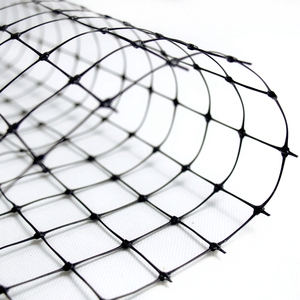
Biaxially oriented polypropylene barrier mesh featuring high yield tensile strength.
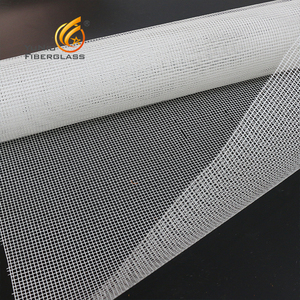
Alkali-resistant, flame-retardant structural reinforcement fabric for clinical & civil builds.
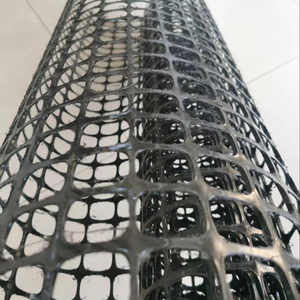
UV-stabilized structural grid providing bi-directional tensile load dissipation.
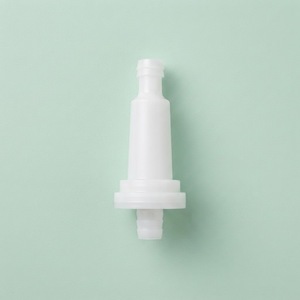
Custom molded Polyamide-6 fine filtration screening designed for micro-fluidic control.
Operating under strict ISO 13485:2016 quality management protocols and EU MDR (Regulation 2017/745) certification, Universal Sutures (Unisur Lifecare Pvt. Ltd.) represents the benchmark of Indian surgical device manufacturing excellence.
We are proudly the second Indian suture & hemostat manufacturer to secure full EU MDR (Regulation 2017/745) certification. Our technical dossiers, clinical evaluation reports (CER), and post-market surveillance systems (PMS) are fully audit-ready for European Union and tier-1 regulatory jurisdictions.
Every single batch of resorbable surgical hemostats, absorbable ORC matrices, and suture-needle combinations produced in our Bengaluru cleanrooms is validated to exceed USP (United States Pharmacopeia) tensile strength and needle-attachment pull requirements by at least 10% (1.1× USP baseline).
From initial bio-polymer braiding, chemical synthesis, precision needling, primary aluminum foil sealing, to validated Ethylene Oxide (EO) gas sterilization — all processes occur within our state-of-the-art ISO Class 7 and Class 8 cleanrooms in Bengaluru, Karnataka, India.
Operational Commitment from Leadership: “We do not simply export surgical hemostats and resorbable devices; we transfer rigorous process discipline, validated biological safety documentation, and reliable margin stability so our global distribution partners can comfortably scale under their own market brand.” — Mr. Nandakishore L, Director of Finance & Operations
A comprehensive clinical and chemical overview of absorbable hemostats, oxidized cellulose matrices, synthetic absorbable polymers, and non-absorbable tissue support devices manufactured within our facilities.
| Biomaterial Class | Brand Name / Material Composition | Absorption Mechanism | In Vivo Strength Retention | Primary Surgical Indications |
|---|---|---|---|---|
| Oxidized Regenerated Cellulose (ORC) | UNISTAT™ ORC Hemostat (Warp-Knitted Gauze) | Complete absorption via enzymatic & hydrolytic pathway (7–14 Days) | Immediate mechanical matrix hemostasis; rapid clot activation | Capillary, venous, and small arterial intraoperative bleeding control. |
| Surgical Bone Wax | HAEMOWAX (Sterile Beeswax + Isopropyl Palmitate) | Non-absorbable (Inert mechanical bone plug) | Permanent local tamponade hold | Control of sternal and osseous bleeding during orthopaedic & thoracic surgery. |
| Polyglycolic Acid (PGA) | UNIGLYDE (Braided & Coated Polycaprolactone) | Hydrolytic degradation into glycolic acid monomers (60–90 Days) | ~75% at 2 weeks; ~50% at 3 weeks | Subcuticular closure, gastrointestinal anastomosis, general surgery. |
| Polyglactin 910 (PGLA) | UNISYNTH (Poly[glycolide-co-lactide] 90/10) | Predictable hydrolysis into lactic and glycolic acid (56–70 Days) | ~75% at 2 weeks; ~50% at 3 weeks | Soft tissue approximation, ophthalmic procedures, gynaecological repairs. |
| Polydioxanone (PDS) | UNISYNTH PDS (Monofilament Polyester) | Slow progressive hydrolysis (180–220 Days) | ~75% at 4 weeks; ~60% at 6 weeks | Abdominal wall closure, pediatric cardiovascular, fascia approximation. |
| Polypropylene (PP Mesh) | UNILENE Polypropylene Repair Mesh | Permanent non-absorbable synthetic polymer | Indefinite structural tensile support | Inguinal and ventral hernia repair, abdominal wall reinforcement. |
Analyzing the paradigm shifts transforming intraoperative bleed management, bioactive polymer synthesis, and minimally invasive device design.
Modern surgical standards demand more than passive capillary occlusion. Future-ready Oxidized Regenerated Cellulose (ORC) matrices are engineered to exert an immediate low-pH microenvironment (pH < 4.0), providing intrinsic broad-spectrum antibacterial activity against both Gram-positive and Gram-negative pathogens (including MRSA and MRSE). This dual action—rapid hemostasis combined with surgical site infection (SSI) reduction—is rapidly replacing legacy collagen or gelatin sponges.
In hernia repair and soft tissue adaptation, permanent titanium tacks and metallic staples are increasingly superseded by bioresorbable fixation devices, such as Poly(lactic-co-glycolic acid) (PLGA) mesh tackers. These devices deliver high initial hold-fast mechanical security during the critical 6-to-8 week wound healing phase, followed by complete bio-resorption that leaves zero permanent metallic foreign body load inside the patient's peritoneal cavity.
Specialty surgical segments—including orthopedic sports medicine, ophthalmic microsurgery, and robotic cardiovascular procedures—are moving toward Ultra-High Molecular Weight Polyethylene (UHMWPE) braided sutures. UHMWPE delivers up to 10-times the tensile strength of standard polyester at equivalent thread diameters, drastically reducing suture cutout and tissue tearing in high-stress tendon and ligament reattachment.
Monofilament polypropylene hernia mesh architecture has evolved from dense, heavyweight structures to light-weight, large-pore macro-porous configurations (pore size > 1mm). Furthermore, composite meshes featuring a permanent polypropylene structural grid bonded with a fast-absorbing polyglecaprone barrier layer offer optimal soft-tissue integration while preventing intra-abdominal organ adhesion.
Essential insights for hospital purchasing directors, Ministry of Health (MOH) tender managers, and medical device importers navigating post-MDR supply chains.
With hundreds of legacy European device suppliers scaling back low-margin product lines due to prohibitive EU MDR (2017/745) recertification costs, global buyers are actively diversifying toward audited offshore manufacturers who hold active, fully verified MDR certificates covering multi-category product lines.
Distributors are consolidating their supplier bases from dozens of niche vendors down to single-source strategic OEM partners capable of delivering complete wound closure suites under private brand artwork—spanning sutures, bone wax, ORC hemostats, and mesh tackers in unified container shipments.
Inflationary pressures across Western manufacturing hubs have driven healthcare institutions to seek direct-factory pricing models from hub locations like Bengaluru, India, where high-tier automated cleanroom production offers a 30% to 50% cost advantage without sacrificing compliance.
Clear, direct answers regarding quality management, OEM dossier submission, sterilization protocols, and minimum order requirements.
Access our complete 5,000+ SKU technical product catalog, request sample evaluation kits, or schedule an audit of our EU MDR certified cleanroom facilities in Bengaluru, India.