Direct Factory Supply of High-Tensile Polypropylene, Polyamide, Fiberglass, and BOP Synthetic Netting
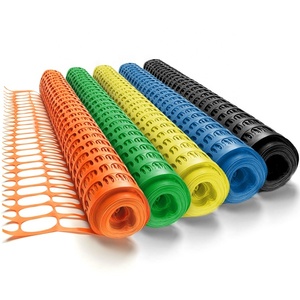
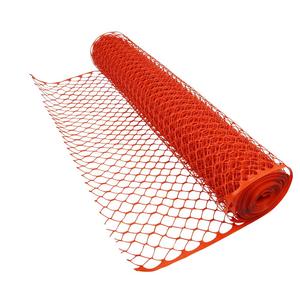
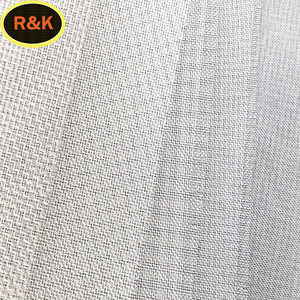
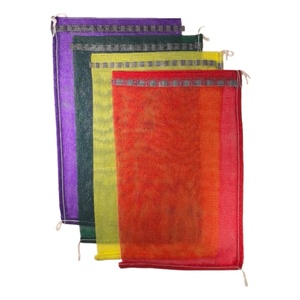
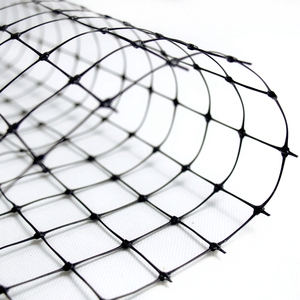
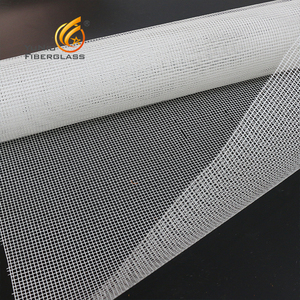
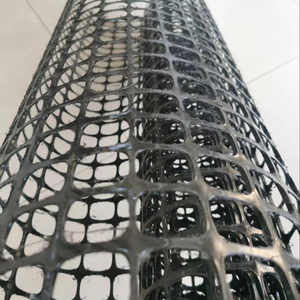
In modern industrial civil engineering, agricultural containment, fluid separation, and advanced structural reinforcement, synthetic composite mesh solutions have surpassed conventional metallic screening. Composite meshes—engineered through biaxial orientation (BOP), continuous filament extrusion, warp-knitting, or precision injection moulding—deliver superior strength-to-weight ratios, absolute corrosion immunity, engineered UV resistance, and micro-porosity control.
As a leading CE Certified Composite Mesh Factory & Exporter, our industrial manufacturing lines operate under strict ISO 13485 and ISO 9001 certified quality management systems. Originally benchmarked against high-precision medical-grade polymer synthesis and controlled-environment cleanroom processing (such as our renowned surgical suture and hernia mesh lines), our facility brings an unyielding zero-defect protocol to heavy-duty industrial mesh manufacturing.
E-E-A-T Quality Commitment: Every production batch of composite mesh undergoes rigorous mechanical verification, guaranteeing tensile breaking strength at a minimum factor of 1.1× USP and ASTM standard baselines. From raw virgin polypropylene resin selection to accelerated UV aging chambers, batch-level traceability (CoA) accompanies every export container.
Understanding user intent in industrial procurement requires evaluating polymer chemistry against environmental stress factors. Our factory synthesizes four core polymer categories for global distribution:
High crystalline PP polymer with Hindered Amine Light Stabilizers (HALS). Impervious to acid/alkali soil environments, ideal for biaxial geogrids and safety fencing.
Superior mechanical toughness and abrasion resistance. Precision monofilament mesh screens down to 20 microns for industrial water filtration and oil separation.
E-glass filament mesh coated with alkali-resistant (AR) resin latex. High modulus dimensional stability for geotextile reinforcement and exterior wall insulation.
Selecting the optimal mesh configuration requires balancing aperture geometry, weight (GSM), tensile yield strength, thermal stability, and hydraulic throughput. Below is an engineering overview of our core composite mesh export categories.
| Mesh Category | Primary Material | Weight / Rating Range | Structure / Weave Type | Key Industrial Indication |
|---|---|---|---|---|
| Orange Construction Barrier | Virgin High-Density PP | 80 GSM – 160 GSM | Extruded / Oval Aperture | Construction hazard warning, perimeter security, roadworks barrier. |
| Biaxial Structural Geogrid | High Molecular PP | 200 GSM – 450 GSM | Punching & Biaxial Stretching | Subgrade stabilization, poultry farm flooring, heavy soil reinforcement. |
| Precision Filtration Screen | PA6 Nylon / Food-Grade PP | 20 Micron – 100 Micron | Plain Weave / Monofilament | Water treatment, liquid food strainers, industrial chemical filtration. |
| Heavy-Duty BOP Netting | Biaxially Oriented PP | 25 GSM – 60 GSM | Diamond / Square Stretch | Anti-bird orchard protection, agricultural mole barrier, poultry fencing. |
| Flame-Retardant Geotextile | E-Glass / AR Coated Filament | 140 GSM – 300 GSM | Leno Weave / Warp Knitted | Facade insulation reinforcement, fire-resistant civil infrastructure. |
Our manufacturing complex in Bengaluru operates end-to-end integration: raw material polymerization, extrusion, stretching, weaving, automated quality checking, and protective sterile or bulk packaging. By maintaining a total workforce of over 200 dedicated professionals—including a proud 70% women operational team—we prioritize process precision, meticulous manual inspection, and strict adherence to international export standards.
Similar to our EU MDR (Regulation 2017/745) compliant medical suture facilities, our technical synthetic mesh lines follow stringent batch control protocols:
As global infrastructure standards evolve and environmental regulations tighten across North America, Europe, and Asia-Pacific, procurement leaders are shifting their sourcing strategies. Industrial buyers and OEM distributors must prepare for several critical market shifts:
Regulatory bodies now demand REACH and RoHS compliance for agricultural and construction netting. Non-toxic, HALS UV-stabilized virgin polymers are replacing lead-stabilized low-cost meshes.
Biaxial orientation increases tensile modulus while reducing overall polymer weight per square meter. Buyers achieve 30% logistics weight reduction without sacrificing breaking load.
Distributors are consolidating suppliers by choosing factories capable of providing full private-label customization—ranging from custom roll sizes, die-cut shapes, and barcoded retail boxes to complete dossier support.
Procurement departments that partner directly with CE-certified manufacturers gain distinct supply chain resilience, avoiding middleman markups while ensuring compliance with international trade documentation.
The technical textile and synthetic mesh industry is experiencing a technological Renaissance. Advanced composite structures now combine dissimilar materials—such as high-tenacity polyester warp yarns combined with extruded polypropylene grids or fire-retardant fiberglass latex matrices.
Our research and development team continues to push boundaries in synthetic polymer application:
To assist procurement managers, engineering consultants, and global distributors, we have compiled detailed answers to common technical inquiry points.