Explore Products View Certificates
0%

Choosing a suture is a practical decision, not a search for one perfect product. Braided Coated Polyester Sutures are nonabsorbable options used in selected procedures, but their suitability depends on the tissue, technique, and product design. A smooth coating may affect passage through tissue and knot handling; performance can vary between products. Check the manufacturer’s instructions rather than assuming all coated sutures behave alike. Small details matter. Think of the needle curve, strand diameter, and package labeling before the procedure begins.

A useful selection process weighs tensile strength, handling, knot security, coating, needle compatibility, and the needs of the specific repair. Confirm that the suture’s labeled characteristics fit the intended application, and follow institutional protocols and the manufacturer’s guidance. Clinical judgment remains essential. That sounds tidy, but real choices are rarely tidy: tissue quality, access, and operator technique can change what works best. No material removes the need for careful placement or follow-up. The tips in this guide offer a structured way to compare options, raise practical questions, and avoid choosing by habit alone. When evidence or product details are unclear, pause and consult the relevant labeling or a qualified clinical colleague. That extra check is worthwhile.
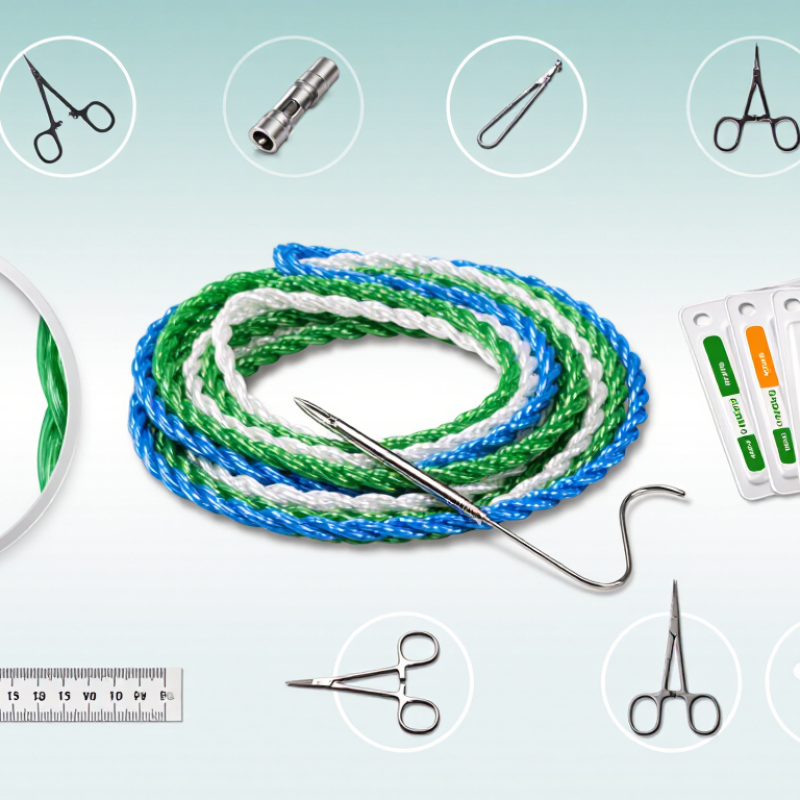
7 Tips for Choosing Braided Coated Polyester Sutures

Identify the Surgical Application and Required Suture Performance

Start with the tissue and the job it must do. A tendon repair under repeated movement has different demands from closing a small, low-tension incision. Braided coated polyester is nonabsorbable, so consider whether lasting support is appropriate for the procedure. Check the operative plan, tissue quality, wound environment, and expected healing period. Small details matter. A wet field or fragile tissue can change handling needs.

Then define the performance required: tensile strength, knot security, flexibility, and passage through tissue. A coating may help the strand glide, while the braid can feel pliable in the hand. Still, handling varies by suture size and technique. Not every surgeon ties the same way. A secure knot depends on the material and consistent technique, not just the label. Think about how many throws the instructions specify, and whether the strand’s diameter suits the tissue without unnecessary trauma.

Match those needs against the device’s instructions for use and your facility’s clinical protocols. Confirm the indicated applications, needle configuration, and any cautions for contaminated or infection-prone sites. This is where a quick assumption can fail: familiar handling does not make a suture suitable for every repair. If performance requirements are unclear, discuss them with the surgical team before selection.

Compare Braided Structure, Coating, and Handling Characteristics

Braided polyester sutures combine multiple fine filaments, creating a flexible strand that can feel steady between gloved fingers. The braid may support knot security, but its texture and behavior depend on strand construction and coating. Compare samples of the same size when possible. Notice how easily each passes through tissue in the intended procedure, and whether the surface seems to catch or glide.

Small details matter. A strand that feels manageable on a tray may behave differently when wet or under tension.

Coatings can reduce friction during passage, though they may also change grip and knot handling. Check how the suture lies after a throw: Does it seat smoothly, or does it resist adjustment? Feel the strand through several controlled handling steps, following the product instructions and local clinical protocols. Look for consistent movement without assuming that smoother always means better. Tissue type, needle choice, suture size, and technique all affect performance.

A useful comparison records these factors rather than relying on memory alone. I would not judge a suture from one quick pull; that test can miss how it handles during repeated placement. Review the applicable instructions and discuss uncertain handling differences with qualified clinical colleagues.

Assess Tensile Strength, Knot Security, and Tissue Response

Tensile strength should be judged against the demands of the procedure, not as an isolated number. Check the suture’s stated size, strength data, and test conditions. Results from different methods may not be directly comparable. Look for evidence that reflects the intended use, and consult current product documentation. Numbers matter.

Knot security depends on more than the fiber. The coating can affect handling and how the knot seats. In practical evaluation, notice whether throws lie flat and remain stable under controlled tension. Compare recommended knot configurations rather than assuming one pattern suits every suture. Too much force can damage tissue or the suture. Feel can mislead.

Tissue response deserves equal attention. Braided construction may handle well, but its surface and coating can influence tissue interaction. Review available biocompatibility information and clinical evidence for the relevant application. Patient factors and wound conditions also matter. There is no single response to predict. I would avoid treating a smooth passage through a model as proof of favorable healing. That distinction is easy to miss. Discuss selection with a qualified clinician, and weigh handling observations alongside documented performance rather than relying on one attractive feature.

Verify Sterility, Packaging, and Regulatory Compliance

A braided coated polyester suture should arrive in packaging that protects its sterile barrier through storage and handling. Inspect each pouch for punctures, open seals, moisture, or crushed corners. Check the lot number, expiration date, and product description against the order and accompanying records. Small details matter.

A tidy pouch can look reassuring, but appearance alone does not confirm sterility. Review the manufacturer’s labeling and instructions for use, including the stated sterilization method and storage conditions. Confirm that the product is intended for the procedure and handling requirements involved. If a seal is damaged or information is unclear, set the item aside and seek guidance rather than guessing.

Regulatory requirements vary by market, so verify the product’s authorization or conformity documentation for the jurisdiction where it will be used. Procurement teams can also check traceability records and applicable quality-system documentation. Keep packaging intact until use, and store sutures as directed, away from excessive heat or moisture. A checklist helps, though it can be easy to overlook a mismatch when receiving many items. Build in a second-person check for discrepancies, and document any concerns before the suture enters clinical use.

7 Tips for Choosing Braided Coated Polyester Sutures: Verify Sterility, Packaging, and Regulatory Compliance

Each bar represents one verification item to include in a product review—not a product rating or clinical outcome. Check the supporting records and applicable requirements for the intended market and use.

Match Product Specifications to Clinical and Procurement Needs

Match the suture to the procedure, not just the catalog description. Check the stated USP size, thread length, needle shape, and needle-point type against the clinician’s requirements. Braided construction can support handling and knot security, while the coating may affect passage through tissue. Details matter. Confirm the exact product specifications and instructions for use rather than assuming all coated polyester sutures behave alike.

Clinical and procurement teams should review the same specification sheet. A surgeon may need a particular needle curvature or thread length; purchasing staff also need consistent packaging, clear lot identification, and an adequate remaining shelf life. Check that the sterile barrier is intact and that storage conditions can be maintained. One easy detail to miss is pack configuration: the right suture in an inconvenient quantity can complicate stock control.

Compare tensile-strength data only within the relevant size and test conditions, and ask suppliers to clarify gaps in documentation. Do not treat a lower unit price as the full cost; include waste, storage, and supply continuity in the comparison. Check the fit. A product that appears suitable on paper may still require review by the clinical team against the intended procedure and local protocols. Specifications help narrow choices, but they do not replace that judgment.

FAQS

What should I compare when evaluating braided polyester sutures?

Compare samples of the same size. Notice their flexibility, surface texture, and movement through a suitable model. Small differences matter.

Does a smoother coating always make a suture better?

No. A coating may reduce friction but also change grip and knot adjustment. Smoother is not always better.

How can I assess knot handling?

Follow product instructions and local clinical protocols. Observe whether throws seat smoothly and remain stable under controlled tension. One quick pull is not enough.

What affects a suture’s tensile strength?

Consider the stated size, strength data, and test conditions. Results from different test methods may not be directly comparable. Numbers need context.

Can handling tests predict tissue response?

Not reliably. Review relevant biocompatibility information and clinical evidence. A smooth passage through a model does not prove favorable healing.

Which product specifications should teams check?

Confirm USP size, thread length, needle shape, and needle-point type. Match them to clinician requirements and the intended procedure.

What should procurement teams inspect?

Check packaging, lot identification, shelf life, sterile-barrier condition, and storage needs. Pack quantity can affect stock control. Easy to miss.

Is unit price enough to compare products?

No. Consider waste, storage, and supply continuity too. A product that looks suitable on paper still needs clinical-team review. That judgment can be imperfect.

Conclusion

Choosing Braided Coated Polyester Sutures begins with understanding the surgical application and the performance needed, including appropriate strength, handling, and support during healing. Consider how the braided construction and coating affect flexibility, passage through tissue, knot tying, and overall control. These characteristics can influence ease of use, so they should be assessed in relation to the procedure and the preferences of the clinical team.

Before selection, review tensile strength, knot security, and tissue response, and confirm that sterility, packaging, and product documentation meet applicable requirements. Finally, compare specifications with clinical needs and procurement considerations, such as availability, packaging format, and consistency between orders. A careful, evidence-informed evaluation helps ensure Braided Coated Polyester Sutures are suitable for the intended use and practical for the healthcare setting.


Evelyn

Evelyn

Evelyn is a dedicated marketing professional with a deep understanding of our company’s products, services, and customer-focused approach. With extensive experience in market research, content strategy, and professional communication, Evelyn transforms complex product information into clear,......